St. Andrews, SC · Richland County
Industrial Dehumidification in St. Andrews, SCMold Remediation Services & Commercial Water Damage Cleanup
Industrial Dehumidification in St. Andrews includes emergency water removal, commercial water damage cleanup and industrial flood damage restoration.
Answered 24/7
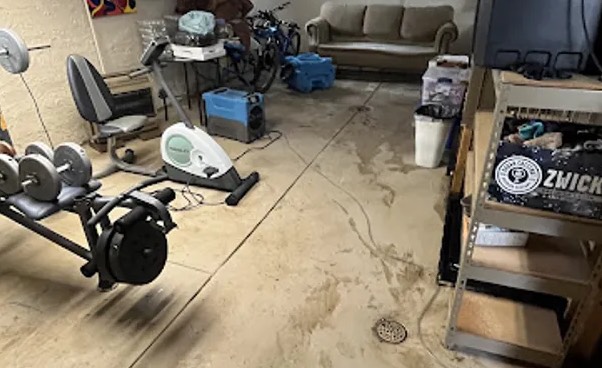
Expert Industrial Dehumidification in St. Andrews, SC
In St. Andrews, the sooner water is removed and humidity brought down, the less there is to restore. Standing water and damp air keep damaging materials every day they stay.
Industrial dehumidification needs in St. Andrews and surrounding communities like Seven Oaks, West Columbia and Oak Grove are handled by experienced water damage restoration pros. They manage everything from humidity control systems to flood cleanup on large sites. Help is available 24/7 whenever moisture problems come up.
Industrial Dehumidification Solutions for St. Andrews
Mold Remediation Services
Mold in a commercial building indicates a deeper moisture issue. The pros use industrial dehumidifiers to create a dry environment that inhibits mold.
Commercial Water Damage Cleanup
Leaks or floods in commercial properties need high-capacity dehumidifiers. Humidity control in expansive areas targets moisture in concrete slabs and behind walls.
Emergency Water Removal
When water invades a commercial space, every minute counts. The pros extract the bulk water first. Following extraction, industrial dehumidification tackles the remaining moisture.
Disaster Recovery Drying
After a large flood or leak, whole floors or wings of a building may need drying at once. High-capacity dehumidifiers and air movers make that possible.
Industrial Flood Damage Restoration
Restoring a flooded plant requires drying the entire environment. Pros reach moisture in high ceilings, equipment pits and storage areas.
Warning Signs You Need Industrial Dehumidification
Elevated Humidity Levels
Sticky air and condensation on windows or metal surfaces mean humidity in the building is too high.
Condensation on Pipes
Sweating pipes and ducts drip water and raise the humidity in the space even further.
Soggy Inventory or Stock
Wet cardboard, damaged goods or damp raw materials mean humidity in the building is not under control.
Warped or Buckling Materials
Swollen wood, peeling paint or distorted flooring are signs of too much moisture in the building.
How Industrial Dehumidification Works in St. Andrews
Step 1: First Call and Extraction
Local water damage pros check for hazards first and then start extracting flood water.
Step 2: Dehumidification System Setup
Industrial dehumidifiers are set up to create a controlled drying chamber for the air and materials.
Step 3: Targeted Moisture Control
Drying is aimed at problem spots like wet drywall, subfloors and dense materials.
Step 4: Documentation for Property Restoration
Moisture readings and photos are recorded throughout for your files and your insurer.
Causes of Industrial Humidity Problems in St. Andrews
Poor Ventilation and Airflow
Poor ventilation traps moisture from work processes and people inside the building.
HVAC System Condensation Issues
Cooling systems that are poorly maintained or oversized can produce a lot of condensation and raise humidity.
Roof Leaks and Storm Damage
Damaged roofing lets water in during heavy rain, wetting stock and floors below.
Appliance Malfunctions and Overflows
Water heater failures or broken process lines can flood large areas suddenly.
Industrial Dehumidification for Residential and Commercial Clients in St. Andrews
Residential Industrial Dehumidification
In homes, a slow roof leak can soak attic insulation and lead to mold. The pros in St. Andrews dry the attic once the roof is repaired and clean up the wet areas.
Commercial Industrial Dehumidification
Data centers, labs and archives need steady humidity. After water damage, temporary dehumidification protects equipment and records until conditions are stable.
Industrial Dehumidification vs. DIY: When to Call the Pros
A property owner can document the first damage with photos and written notes for the insurance provider before cleanup begins. Large-scale extraction and structural drying, though, take industrial pumps, dehumidifiers and trained pros.
Factors Affecting Industrial Dehumidification Cost in St. Andrews
In St. Andrews, the cost depends on how many days the dehumidifiers run and how many air movers the job needs.
Affected Square Footage
The size of the area to be dehumidified sets how much equipment and labor are needed.
Water Contamination Level
Clean, gray and black water need different safety steps and cleanup methods.
Mold Remediation Needs
If mold is found, containment, removal and air scrubbing are added to the job.
Does Insurance Cover Industrial Dehumidification?
The pros provide detailed documentation of the damage, including moisture maps and photographic evidence, to support the property owner's claim submission for review.
Benefits of Local Pros for Industrial Dehumidification in St. Andrews, SC
Comprehensive Water Removal
The work starts with removing standing water and water soaked into materials.
Humidity Reduction Systems
Dehumidifiers can stay in place until humidity in the building is stable.
Detailed Moisture Documentation
Meters and sensors track humidity and moisture, so you can see drying progress day by day.
Emergency Industrial Dehumidification in St. Andrews, SC
When dehumidifiers need to go in fast after a disaster, call (803) 941-5983. The pros in St. Andrews are available 24/7 for industrial drying.
Call Now (803) 941-5983Local Industrial Dehumidification Areas: St. Andrews and Beyond
Warehouse moisture control and flood cleanup are available in St. Andrews and nearby Seven Oaks, West Columbia and Oak Grove.
- Industrial Dehumidification in Seven Oaks
- Industrial Dehumidification in West Columbia
- Industrial Dehumidification in Oak Grove
- Industrial Dehumidification in Irmo
- Industrial Dehumidification in Cayce
- Industrial Dehumidification in Olympia
- Industrial Dehumidification in Forest Acres
- Industrial Dehumidification in Arthurtown
- Emergency Damage Restoration in 29203
- Storm Damage Restoration in 29203
- Water Damage Restoration in 29203
- Water Extraction Service in 29203
- Water Leak Detection in 29203
- Water Removal Service in 29203
- Emergency Damage Restoration in 29210
- Storm Damage Restoration in 29210
Frequently Asked Questions About Industrial Dehumidification
What does water damage cleanup involve?
Water extraction, moisture mapping of the building, placement of industrial dehumidifiers and air movers, daily monitoring and a final dryness check.
What is the first step in emergency water removal?
The initial critical step is extracting all standing water using truck-mounted or portable pumps and extractors.
How does commercial dehumidification differ from residential?
The focus extends beyond drying to include minimizing operational downtime and protecting sensitive inventory or machinery.
Does all water require the same cleanup approach?
No. Clean water from a supply line, gray water from appliances and black water from sewage each need different safety and cleanup steps.
How long does industrial flood damage restoration take?
It depends on how much water there was, what got wet and the humidity. Large jobs often take several days to a few weeks.