Little Mountain, SC · Newberry County
Industrial Dehumidification in Little Mountain, SCIndustrial Flood Damage Restoration & Industrial Humidity Reduction Systems
Industrial Dehumidification in Little Mountain includes mold remediation services, structural drying services, and disaster recovery drying.
Answered 24/7
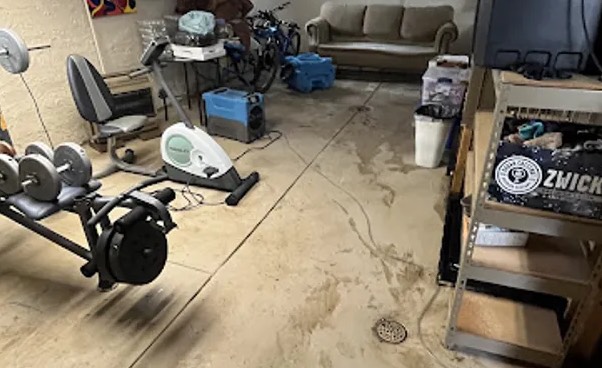
Professional Industrial Dehumidification in Little Mountain, SC
In Little Mountain, water trapped in the walls, floors and ceilings of commercial buildings causes mold, rot and decay if it is not dried properly.
Industrial dehumidification needs in Little Mountain and surrounding communities like Chapin, Pomaria and Peak are handled by experienced water damage restoration pros. They manage everything from humidity control systems to flood cleanup on large sites. Help is available 24/7 whenever moisture problems come up.
Industrial Dehumidification Solutions for Little Mountain
Industrial Flood Damage Restoration
Flood waters can halt production. Commercial drying experts implement a phased strategy using industrial dehumidifiers and air movers. Large dehumidifiers are sized to the building volume.
Industrial Humidity Reduction Systems
A building may need a dedicated system for ongoing humidity. Industrial dehumidification units integrate into HVAC or operate independently.
Disaster Recovery Drying
Disaster scenarios create complex drying challenges. The pros design a recovery plan centered on industrial dehumidification. The process involves drying contents and structure in tandem.
Mold Remediation Services
Persistent moisture often leads to mold growth. The pros first dry the structure thoroughly. Affected surfaces are then cleaned.
Warehouse Moisture Control
Warehouse humidity often climbs with the seasons and after leaks. Industrial dehumidifiers bring it back down, and placing them well protects stock and packaging.
Signs of Moisture Requiring Industrial Dehumidification in Little Mountain
Soggy Inventory or Stock
Wet cardboard, damaged goods or damp raw materials mean humidity in the building is not under control.
Recent Flood or Spill
A burst pipe or overflow that soaks a commercial space needs cleanup and drying right away.
Stained Ceilings or Walls
Yellow or brown water stains show where past leaks happened and where moisture may still be.
Equipment Rust or Corrosion
New rust on machinery or metal stock can come from damp air in the building.
How Industrial Dehumidification Works in Little Mountain
Step 1: First Call and Extraction
The pros check for hazards first and then start extracting flood water.
Step 2: Dehumidification System Setup
Industrial dehumidifiers are set up to create a controlled drying chamber for the air and materials.
Step 3: Targeted Moisture Control
Drying is aimed at problem spots like wet drywall, subfloors and dense materials.
Step 4: Documentation for Property Restoration
Moisture readings and photos are recorded throughout for your files and your insurer.
Common Causes for Industrial Dehumidification in Little Mountain
HVAC System Condensation Issues
Cooling systems that are poorly maintained or oversized can produce a lot of condensation and raise humidity.
Roof Leaks and Storm Damage
Damaged roofing lets water in during heavy rain, wetting stock and floors below.
Natural Disasters and Severe Weather
Flash floods, torrential rain and other extreme events can soak large buildings and need large-scale drying.
Process Water or Chemical Spills
Industrial processes that use liquids carry a constant risk of accidental spills and releases.
Residential and Commercial Industrial Dehumidification in Little Mountain
Residential Industrial Dehumidification
In homes, a slow roof leak can soak attic insulation and lead to mold. The pros in Little Mountain dry the attic once the roof is repaired and clean up the wet areas.
Commercial Industrial Dehumidification
Data centers, labs and archives need steady humidity. After water damage, temporary dehumidification protects equipment and records until conditions are stable.
When to Hire Local Pros for Industrial Dehumidification in Little Mountain
Throwing out ruined cardboard or soaked insulation is something a property manager can do. Building materials that may have mold should be removed by pros using containment.
Industrial Dehumidification Cost in Little Mountain, SC
Industrial flood cleanup costs depend on the scale of water removal and how many hours of structural drying are needed.
Drying Time Required
How long the dehumidifiers must run to reach dry readings is a main cost component.
Affected Square Footage
The size of the area to be dehumidified sets how much equipment and labor are needed.
Access Complexity
Hard-to-reach areas in a warehouse or plant take longer to set up equipment in.
Does Insurance Cover Industrial Dehumidification?
The pros provide the necessary documentation, including logs and moisture data, that the insurer typically needs to process and adjudicate the property owner's claim.
The Value of Local Pros for Industrial Dehumidification in Little Mountain
Containment Protocols
Where mold is found, barriers keep it from spreading to other parts of the building.
Humidity Reduction Systems
Dehumidifiers can stay in place until humidity in the building is stable.
Detailed Moisture Documentation
Meters and sensors track humidity and moisture, so you can see drying progress day by day.
Emergency Water Damage Services in Little Mountain
Major humidity issues or active flooding demand early professional help to protect building materials and contents. Dial (803) 941-5983 for 24/7 help with large-scale drying and moisture control from the pros.
Call Now (803) 941-5983Local Industrial Dehumidification Areas: Little Mountain and Beyond
Businesses in Little Mountain rely on professional humidity control and structural drying. Service is available locally and in nearby places including Chapin, Pomaria and Peak.
- Industrial Dehumidification in Chapin
- Industrial Dehumidification in Pomaria
- Industrial Dehumidification in Peak
- Industrial Dehumidification in Prosperity
- Industrial Dehumidification in Jenkinsville
- Industrial Dehumidification in Irmo
- Industrial Dehumidification in Newberry
- Industrial Dehumidification in Gilbert
- Emergency Damage Restoration in 29075
- Storm Damage Restoration in 29075
- Water Damage Restoration in 29075
- Water Extraction Service in 29075
- Water Leak Detection in 29075
- Water Removal Service in 29075
Industrial Drying FAQ for Little Mountain Clients
How does commercial dehumidification differ from residential?
The focus extends beyond drying to include minimizing operational downtime and protecting sensitive inventory or machinery.
What is structural drying?
It removes moisture soaked into building materials like concrete slabs and walls so they do not decay or grow mold.
What happens during the property restoration process?
Property restoration involves drying structural materials, cleaning affected surfaces and contents, and sometimes repairing or replacing damaged components after water intrusion.
Why is water extraction so important?
Removing water quickly keeps it from soaking deeper, shortens drying and lowers the risk of mold and warping.
Can humidity control prevent future mold problems?
Keeping warehouse humidity low with dehumidifiers protects stored goods and the building from moisture damage.