North, SC · Orangeburg County
HVAC Leak Water Removal in North, SCAC Condensate Leak Water Removal & Moisture Remediation For HVAC Systems
HVAC Leak Water Removal in North covers HVAC cabinet water extraction, emergency HVAC leak cleanup, and wet insulation removal near HVAC.
Answered 24/7
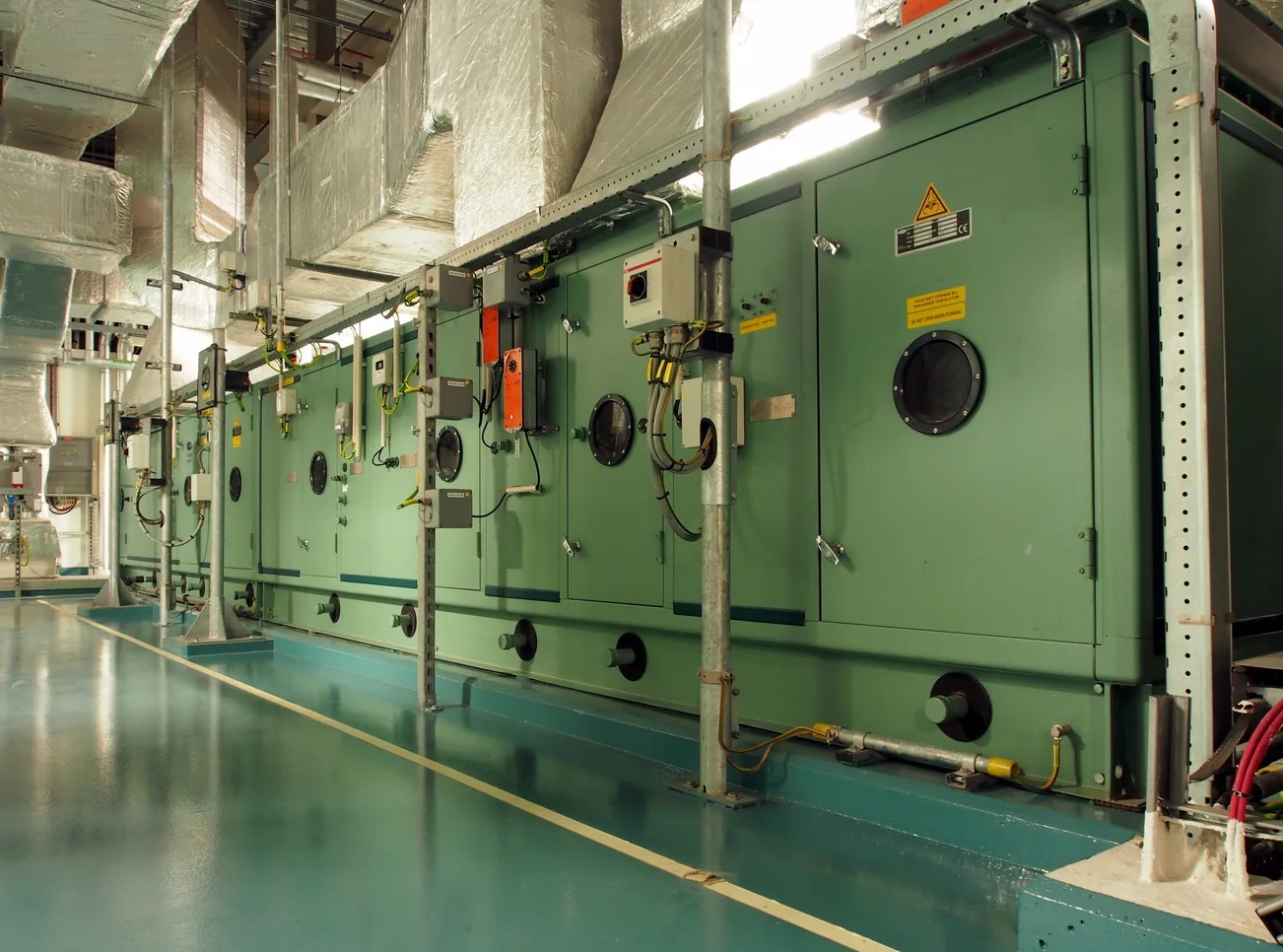
HVAC Leak Water Removal Services for North Residents
An HVAC leak in North rarely stays at the unit. Water runs out of the pan, across the closet floor and under walls, and attic units drip straight through the ceiling below.
When an HVAC leak occurs in North, water needs to come out quickly to protect interior finishes and electrical systems. Local water removal pros serve this community and nearby areas like Neeses, Swansea and Norway, extracting water around the unit and drying wet ductwork before damage spreads.
Specialized HVAC Leak Water Removal Services in North
AC Condensate Leak Water Removal
An overflowing secondary pan from a blocked drain line creates a steady leak. The experts remove the water to protect the HVAC cabinet and subfloor.
Moisture Remediation for HVAC Systems
Once the leak stops, dehumidifiers and air movers are placed to dry the air handler closet, nearby ducts and the room, following industry drying standards.
HVAC Drain Line Flood Cleanup
When a drain line fails over a concrete utility slab, extractors remove the water and the slab and wall bases are dried.
Wet Insulation Removal Near HVAC
Soggy insulation in a mechanical closet or crawlspace is a health concern. The pros remove it as part of restoration.
Coil Leak Water Damage Repair
Coil leak water damaging drywall or cabinetry needs repairs after drying. The pros coordinate drying to prepare for reconstruction.
Signs You Require HVAC Leak Water Removal in North
Water Puddles Under HVAC Unit
Standing water or persistent dampness around the air handler or furnace cabinet often signals an active HVAC leak.
Condensation Dripping From Ducts
Water droplets or streaks on metal ductwork mean the ducts are sweating, and the water is landing somewhere below.
Visible Rust on Metal Components
Rust forming on the evaporator coil cabinet, drain pan, or supports indicates prolonged moisture exposure.
Unusual Sounds From the AC Unit
Gurgling, dripping, or hissing noises from the indoor unit frequently accompany a condensate drainage failure.
How HVAC Leak Water Removal Works in North
Step 1: Water Removal Initiation
The pros use pumps and wet vacuums to remove the bulk water from a flooded drain line area.
Step 2: Detailed Moisture Detection
Meters and thermal cameras check concealed spaces so no wet spot behind a wall or above a ceiling is missed.
Step 3: Controlled Drying Environment
Professionals create a controlled environment with dehumidifiers and air movers to dry wet ductwork, insulation and building materials.
Step 4: Final Clearance and Prevention Advice
A final check confirms everything is dry, and you get tips on keeping the condensate drain clear.
Common Causes of HVAC Water Leaks in North
Excessive Ductwork Condensation
Poorly insulated ducts in humid spaces sweat and drip water into walls, ceilings and insulation.
Cracked or Disconnected Drain Pan
A damaged or misaligned secondary drain pan beneath the evaporator coil fails to catch condensation overflow.
Frozen Evaporator Coil Thawing
A coil freezing due to low refrigerant or airflow can release large volumes of water upon thawing.
Clogged Condensate Drain Line
Algae, sludge, or debris blocking the primary drain pipe causes water to back up into the HVAC cabinet.
HVAC Leak Water Removal for All Properties in North
Residential HVAC Leak Water Removal
In homes, an HVAC leak usually wets the ceiling under an attic unit or the walls and floor around the air handler closet. Wet insulation near the unit is removed so it does not hold water.
Commercial HVAC Leak Water Removal
In stores, offices and warehouses, leaks come from large air handlers, VAV boxes and ducts above the ceiling. The water is removed fast so the space can reopen.
HVAC Leak Water Removal vs. DIY: When to Call Local Pros
If a condensate pump is involved, check that it is plugged in and listen for operation. Ensure the discharge tube is not kinked. Do not disassemble the pump. For a leaking AC unit repair involving the coil or refrigerant, specialized training is required.
Cost Insights for HVAC Leak Water Removal in North
In North, the cost of HVAC water cleanup depends on how many rooms and materials got wet. Water around coils and cabinets takes careful work in tight spaces.
Drying Time and Equipment
The number of days ducts and materials take to dry decides how long the dehumidifiers run.
Water Contamination Category
Clean condensate is simpler to handle than dirty overflow from a drain line, which needs extra cleaning.
Post-Extraction Repairs
Some jobs need small drain line or insulation repairs after drying, which are priced separately.
Does Insurance Cover HVAC Leak Water Removal?
For HVAC water cleanup, a policy may cover the water damage but not fixing the failed part. The pros document the wet area and the drying, and the insurer makes the coverage decision.
Benefits of Local Water Damage Pros for HVAC Leak Water Removal in North
Detailed Damage Documentation
Photos and meter readings of the water damage give your adjuster clear records for the claim.
24/7 Emergency Response
Getting to a leaking AC early limits how far water spreads and how much it rusts parts in the unit.
HVAC-Specific Moisture Detection
Moisture meters and thermal cameras find water in ducts, insulation and cabinets that you cannot see.
24/7 Emergency HVAC Leak Water Removal in North
Time is critical when dealing with wet ductwork from a coil leak. To initiate emergency HVAC water extraction and drying, call the pros at (803) 941-5983.
Call Now (803) 941-5983HVAC Leak Water Removal Locations Near North
Wet ductwork and HVAC leak water are dried in North and in nearby Neeses, Swansea and Norway, for homes and businesses.
- HVAC Leak Water Removal in Neeses
- HVAC Leak Water Removal in Swansea
- HVAC Leak Water Removal in Norway
- HVAC Leak Water Removal in Pelion
- HVAC Leak Water Removal in Gaston
- HVAC Leak Water Removal in St. Matthews
- HVAC Leak Water Removal in Orangeburg
- HVAC Leak Water Removal in Wagener
- Emergency Damage Restoration in 29112
- Storm Damage Restoration in 29112
- Water Damage Restoration in 29112
- Water Extraction Service in 29112
- Water Leak Detection in 29112
- Water Removal Service in 29112
HVAC Leak Water Removal FAQ for North Homeowners
How long does wet ductwork drying typically take?
It depends on how much water there is and how easy it is to reach. Most jobs take two to four days of drying with commercial equipment.
Why is quick action critical for a flooded HVAC unit?
Water can damage the unit's wiring, rust metal parts and soak into walls and floors, which makes repairs larger and more expensive.
What causes an HVAC drain line to flood?
Algae, sludge or debris clog the condensate drain and the pan overflows. A disconnected or cracked drain line can also send water onto the floor.
What is involved in HVAC leak water removal?
Stopping the leak, extracting standing water, drying the ducts, cabinet area, walls and floor, and checking for hidden moisture with meters.
Why does my AC coil leak water?
A frozen coil that thaws, a clogged drain pan, or a cracked condensate drain line are common causes of water leaking from the AC unit.