North Augusta, SC · Aiken County
HVAC Leak Water Removal in North Augusta, SCAC Condensate Leak Water Removal & Ductwork Condensation Water Removal
HVAC Leak Water Removal in North Augusta includes emergency HVAC leak cleanup, wet insulation removal near HVAC and coil leak water damage repair.
Answered 24/7
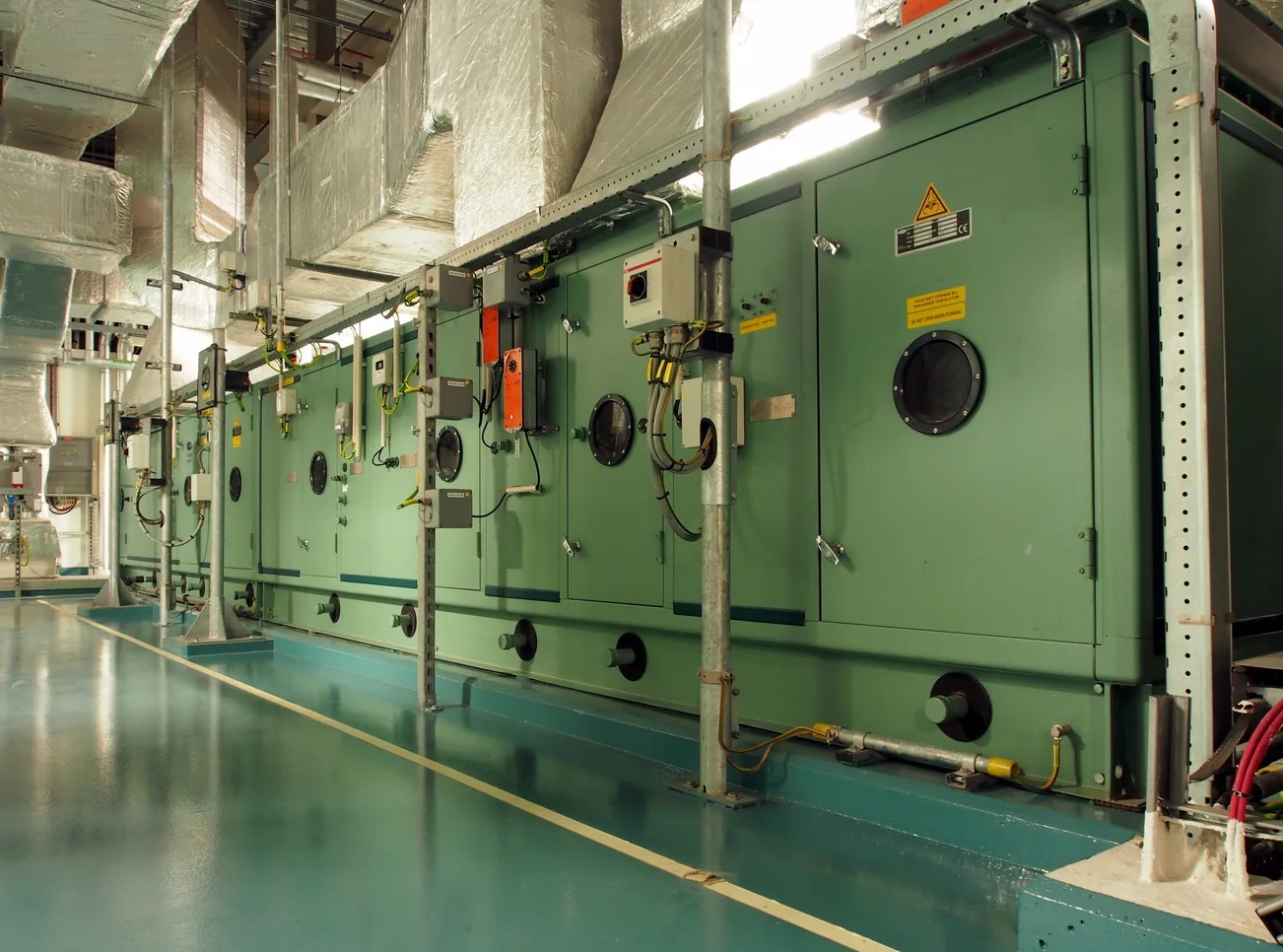
HVAC Leak Water Removal Services for North Augusta Residents
A leaking AC unit in North Augusta can fill the air handler cabinet and spill onto the floor around it. Water near wiring is a shock risk, so the power should be off before anyone works there.
When an HVAC leak occurs in North Augusta, water needs to come out quickly to protect interior finishes and electrical systems. Local water removal pros serve this community and nearby areas like Belvedere, Aiken and Jackson, extracting water around the unit and drying wet ductwork before damage spreads.
Complete HVAC Leak Water Removal Services for North Augusta
AC Condensate Leak Water Removal
An overflowing secondary pan from a blocked drain line creates a steady leak. The experts remove the water to protect the HVAC cabinet and subfloor.
Ductwork Condensation Water Removal
Humid air hitting cold metal ductwork makes it sweat and drip. Cleanup means drying the ducts and the drywall, insulation and flooring under them.
HVAC Drain Line Flood Cleanup
When a drain line fails over a concrete utility slab, extractors remove the water and the slab and wall bases are dried.
Emergency HVAC Leak Cleanup
An AC leak soaking drywall or flooring triggers emergency cleanup protocols. The pros extract water and begin structural drying.
HVAC Cabinet Water Extraction
Standing water in the cabinet rusts the pan, panels and fasteners. Getting it out early stops that, and the cabinet is dried before the system runs again.
Red Flags for HVAC Leak Water Removal in North Augusta
Water Puddles Under HVAC Unit
Standing water or persistent dampness around the air handler or furnace cabinet often signals an active HVAC leak.
Stained Ceilings or Walls Near Vents
Stains on drywall or ceilings around supply vents often trace back to ducts that are sweating or leaking.
Unusual Sounds From the AC Unit
Gurgling, dripping, or hissing noises from the indoor unit frequently accompany a condensate drainage failure.
Reduced Cooling or System Shutdown
An AC that shuts itself off may have a float switch that tripped because the drain pan is full of water.
How HVAC Leak Water Removal Works in North Augusta
Step 1: Water Removal Initiation
The pros use pumps and wet vacuums to remove the bulk water from a flooded drain line area.
Step 2: Detailed Moisture Detection
Meters and thermal cameras check concealed spaces so no wet spot behind a wall or above a ceiling is missed.
Step 3: Controlled Drying Environment
Professionals create a controlled environment with dehumidifiers and air movers to dry wet ductwork, insulation and building materials.
Step 4: Final Clearance and Prevention Advice
A final check confirms everything is dry, and you get tips on keeping the condensate drain clear.
Typical Reasons for HVAC Leak Water Removal in North Augusta
Clogged Condensate Drain Line
Algae, sludge, or debris blocking the primary drain pipe causes water to back up into the HVAC cabinet.
Excessive Ductwork Condensation
Poorly insulated ducts in humid spaces sweat and drip water into walls, ceilings and insulation.
Cracked or Disconnected Drain Pan
A damaged or misaligned secondary drain pan beneath the evaporator coil fails to catch condensation overflow.
Obstructed Air Filter or Ducts
Badly restricted airflow lets frost build on the cold coil, and the water floods the pan when it melts.
HVAC Leak Water Removal for All Properties in North Augusta
Residential HVAC Leak Water Removal
In homes with basements or a second-floor unit, an overflow can soak finished rooms below. The water is extracted and the ceiling, walls and floor are dried.
Commercial HVAC Leak Water Removal
In commercial buildings, the pros tackle HVAC drain line flood cleanup affecting server rooms, drop ceilings, and stock areas. They use industrial extractors and dehumidifiers for extraction and structural drying.
HVAC Leak Water Removal: DIY or Call Water Damage Pros in North Augusta
If you find an HVAC leak, turn off the system at the thermostat and the breaker. Put towels down and move belongings away from the drip. Wiping up a little condensation is fine, but standing water or wet drywall needs drying equipment.
HVAC Leak Water Removal Cost in North Augusta, SC
Calls at night or on weekends can change the rate for HVAC leak water removal. Dirty water from a drain line also adds cleaning steps to the job.
Affected Components and Materials
Wet insulation, damaged ductwork or wiring near the flooded unit each add work to the job.
Water Contamination Category
Clean condensate is simpler to handle than dirty overflow from a drain line, which needs extra cleaning.
HVAC System Accessibility
Units in tight closets or attics take more labor to reach, clean around and dry.
Does Insurance Cover HVAC Leak Water Removal?
AC unit water damage coverage hinges on the leak source. Sudden failures like a burst drain line may be covered, while gradual neglect often is not. Homeowners should confirm specifics with their insurer.
Advantages of Local Pros for HVAC Leak Water Removal in North Augusta
HVAC-Specific Moisture Detection
Moisture meters and thermal cameras find water in ducts, insulation and cabinets that you cannot see.
Comprehensive Leak Source Identification
The pros trace the water to the drain line, coil or pan, so the right trade can fix the cause.
IICRC-Standard Drying Methods
Drying follows industry standards so the unit area, ducts and walls are dry before the system runs again.
Urgent HVAC Leak Water Removal Response in North Augusta
Time is critical when dealing with wet ductwork from a coil leak. To initiate emergency HVAC water extraction and drying, call the pros at (803) 941-5983.
Call Now (803) 941-5983Areas Served for HVAC Leak Water Removal from North Augusta
The places below are also served, and each one has its own page.
- HVAC Leak Water Removal in Belvedere
- HVAC Leak Water Removal in Aiken
- HVAC Leak Water Removal in Jackson
- HVAC Leak Water Removal in Edgefield
- HVAC Leak Water Removal in Johnston
- HVAC Leak Water Removal in Ridge Spring
- HVAC Leak Water Removal in Williston
- HVAC Leak Water Removal in Wagener
- Emergency Damage Restoration in 29841
- Storm Damage Restoration in 29841
- Water Damage Restoration in 29841
- Water Extraction Service in 29841
- Water Leak Detection in 29841
- Water Removal Service in 29841
- Emergency Damage Restoration in 29860
- Storm Damage Restoration in 29860
Frequently Asked Questions About HVAC Leak Water Removal
What's the difference between water extraction and drying?
Extraction removes the liquid water. Drying uses dehumidifiers and air movers to pull out the moisture left in insulation, drywall and wood.
Can wet insulation near HVAC be saved?
Often, yes. Wet insulation loses its value and is hard to dry in tight spaces, so it is usually removed and replaced once the area is dry.
Why is quick action critical for a flooded HVAC unit?
Water can damage the unit's wiring, rust metal parts and soak into walls and floors, which makes repairs larger and more expensive.
What is involved in HVAC leak water removal?
Stopping the leak, extracting standing water, drying the ducts, cabinet area, walls and floor, and checking for hidden moisture with meters.
What are signs of a leaking AC unit indoors?
Water around the indoor unit, stains on nearby walls or ceilings, a musty smell, or the system shutting off because its float switch tripped.