Eastover, SC · Richland County
HVAC Leak Water Removal in Eastover, SCHVAC Cabinet Water Extraction & HVAC Drain Line Flood Cleanup
HVAC Leak Water Removal in Eastover covers HVAC cabinet water extraction, emergency HVAC leak cleanup, and wet insulation removal near HVAC.
Answered 24/7
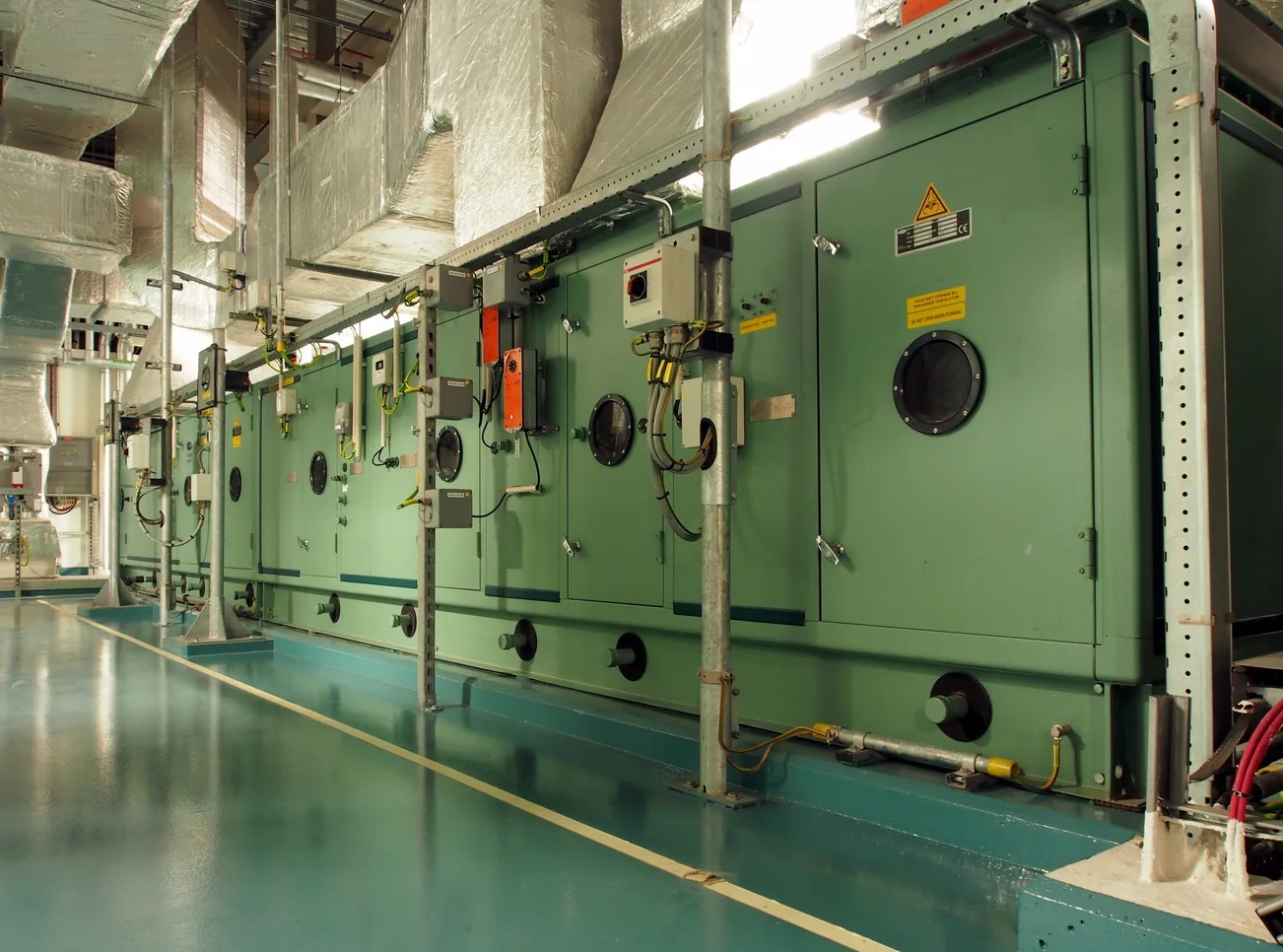
HVAC Leak Water Removal Services for Eastover Residents
A leaking coil in Eastover creates two jobs. An HVAC contractor repairs the coil, and the water that already escaped has to be removed and dried.
When an HVAC leak occurs in Eastover, water needs to come out quickly to protect interior finishes and electrical systems. Local water removal pros serve this community and nearby areas like Gadsden, Hopkins and St. Matthews, extracting water around the unit and drying wet ductwork before damage spreads.
Specialized HVAC Leak Water Removal Services in Eastover
HVAC Cabinet Water Extraction
Water pooled inside a furnace or air handler cabinet is removed after the power is off, which protects the blower motor and the control board.
HVAC Drain Line Flood Cleanup
A backed-up HVAC drain line can flood a closet or utility area in Eastover. The water is extracted and drying starts on the floor and lower walls.
Emergency HVAC Leak Cleanup
An AC leak soaking drywall or flooring triggers emergency cleanup protocols. The pros extract water and begin structural drying.
Moisture Remediation for HVAC Systems
Once the leak stops, dehumidifiers and air movers are placed to dry the air handler closet, nearby ducts and the room, following industry drying standards.
Ductwork Condensation Water Removal
Humid air hitting cold metal ductwork makes it sweat and drip. Cleanup means drying the ducts and the drywall, insulation and flooring under them.
Indicators for HVAC Leak Water Removal in Eastover Homes
Stained Ceilings or Walls Near Vents
Stains on drywall or ceilings around supply vents often trace back to ducts that are sweating or leaking.
Water Puddles Under HVAC Unit
Standing water or persistent dampness around the air handler or furnace cabinet often signals an active HVAC leak.
Wet or Sagging Insulation Nearby
Damp insulation around an attic unit or in nearby walls holds water against the drywall and framing.
Water Damage to Flooring
Warped laminate, cupped hardwood or soaked carpet near the HVAC unit shows the leak has reached the floor.
How HVAC Leak Water Removal Works in Eastover
Step 1: Emergency Assessment and Water Extraction
The pros stop the water at the unit and extract the standing water from the cabinet, the closet floor and any wet carpet.
Step 2: System Inspection and Moisture Mapping
Moisture meters and thermal cameras show where water went, including wet insulation and duct sections, and the drying plan is built from that.
Step 3: Targeted Drying and Dehumidification
Air movers and dehumidifiers are placed to dry the walls, ceiling, floor and duct runs that got wet.
Step 4: Cleaning and Final Verification
Affected surfaces and HVAC components are cleaned. Final moisture readings confirm the area is dry.
Common Causes of HVAC Water Leaks in Eastover
Worn Gaskets or Seal Failures
Worn seals around access panels or coil sections let water escape the cabinet instead of reaching the pan.
Excessive Ductwork Condensation
Poorly insulated ducts in humid spaces sweat and drip water into walls, ceilings and insulation.
Frozen Evaporator Coil Thawing
A coil freezing due to low refrigerant or airflow can release large volumes of water upon thawing.
Improper HVAC System Slope
An air handler or drain line installed without correct pitch prevents gravity-driven water flow to the drain.
Residential & Commercial HVAC Leak Water Removal in Eastover
Residential HVAC Leak Water Removal
In homes, water from a utility closet can reach hardwood floors, cabinets and stored items. The pros dry those materials and wet duct sections near the unit.
Commercial HVAC Leak Water Removal
In commercial buildings, mechanical rooms and the spaces under them are checked for water and dried, with readings recorded for the building manager.
HVAC Leak Water Removal: DIY Risks and Pro Solutions in Eastover
If you find an HVAC leak, turn off the system at the thermostat and the breaker. Put towels down and move belongings away from the drip. Wiping up a little condensation is fine, but standing water or wet drywall needs drying equipment.
Factors in HVAC Leak Water Removal Cost for Eastover
The pros in Eastover price the job based on how long the leak ran and how much it damaged. Wet ducts inside walls or ceilings take extra work to reach.
Water Contamination Category
Clean condensate is simpler to handle than dirty overflow from a drain line, which needs extra cleaning.
Drying Time and Equipment
The number of days ducts and materials take to dry decides how long the dehumidifiers run.
Affected Components and Materials
Wet insulation, damaged ductwork or wiring near the flooded unit each add work to the job.
Does Insurance Cover HVAC Leak Water Removal?
AC unit water damage coverage hinges on the leak source. Sudden failures like a burst drain line may be covered, while gradual neglect often is not. Homeowners should confirm specifics with their insurer.
Benefits of Local Water Damage Pros for HVAC Leak Water Removal in Eastover
Structured Dehumidification Strategy
Air movers and dehumidifiers are placed to dry the cabinet area and nearby walls without blowing water further.
Detailed Damage Documentation
Photos and meter readings of the water damage give your adjuster clear records for the claim.
HVAC-Specific Moisture Detection
Moisture meters and thermal cameras find water in ducts, insulation and cabinets that you cannot see.
Urgent HVAC Leak Water Removal Response in Eastover
A leaking AC unit can cause rapid electrical and structural damage. For immediate HVAC leak water removal in Eastover, contact the pros at (803) 941-5983.
Call Now (803) 941-5983HVAC Leak Water Removal Coverage for Eastover, Gadsden, Hopkins and St. Matthews
In Eastover, help with HVAC leak water removal covers coil leaks and drain pan overflows, and also reaches nearby Gadsden, Hopkins and St. Matthews.
- HVAC Leak Water Removal in Gadsden
- HVAC Leak Water Removal in Hopkins
- HVAC Leak Water Removal in St. Matthews
- HVAC Leak Water Removal in Pinewood
- HVAC Leak Water Removal in Arthurtown
- HVAC Leak Water Removal in Woodfield
- HVAC Leak Water Removal in Elgin
- HVAC Leak Water Removal in Forest Acres
- Emergency Damage Restoration in 29044
- Storm Damage Restoration in 29044
- Water Damage Restoration in 29044
- Water Extraction Service in 29044
- Water Leak Detection in 29044
- Water Removal Service in 29044
HVAC Leak Water Removal FAQs
How long does wet ductwork drying typically take?
It depends on how much water there is and how easy it is to reach. Most jobs take two to four days of drying with commercial equipment.
How quickly should I address AC unit water damage?
As soon as you see it. Water can reach wiring and soak drywall and insulation, and mold can start within a day or two in wet materials.
After HVAC system water cleanup, what repairs are needed?
Beyond drying, repairs might include unclogging or replacing a drain line, replacing wet insulation, and servicing the HVAC unit.
Why is quick action critical for a flooded HVAC unit?
Water can damage the unit's wiring, rust metal parts and soak into walls and floors, which makes repairs larger and more expensive.
What causes an HVAC drain line to flood?
Algae, sludge or debris clog the condensate drain and the pan overflows. A disconnected or cracked drain line can also send water onto the floor.