Columbia, SC · Richland County
HVAC Fire Damage Cleanup in Columbia, SCAir Duct Soot Removal & Emergency HVAC System Shutdown
Air duct soot removal, HVAC filter replacement, and smoke odor neutralization are part of HVAC Fire Damage Cleanup in Columbia.
Answered 24/7
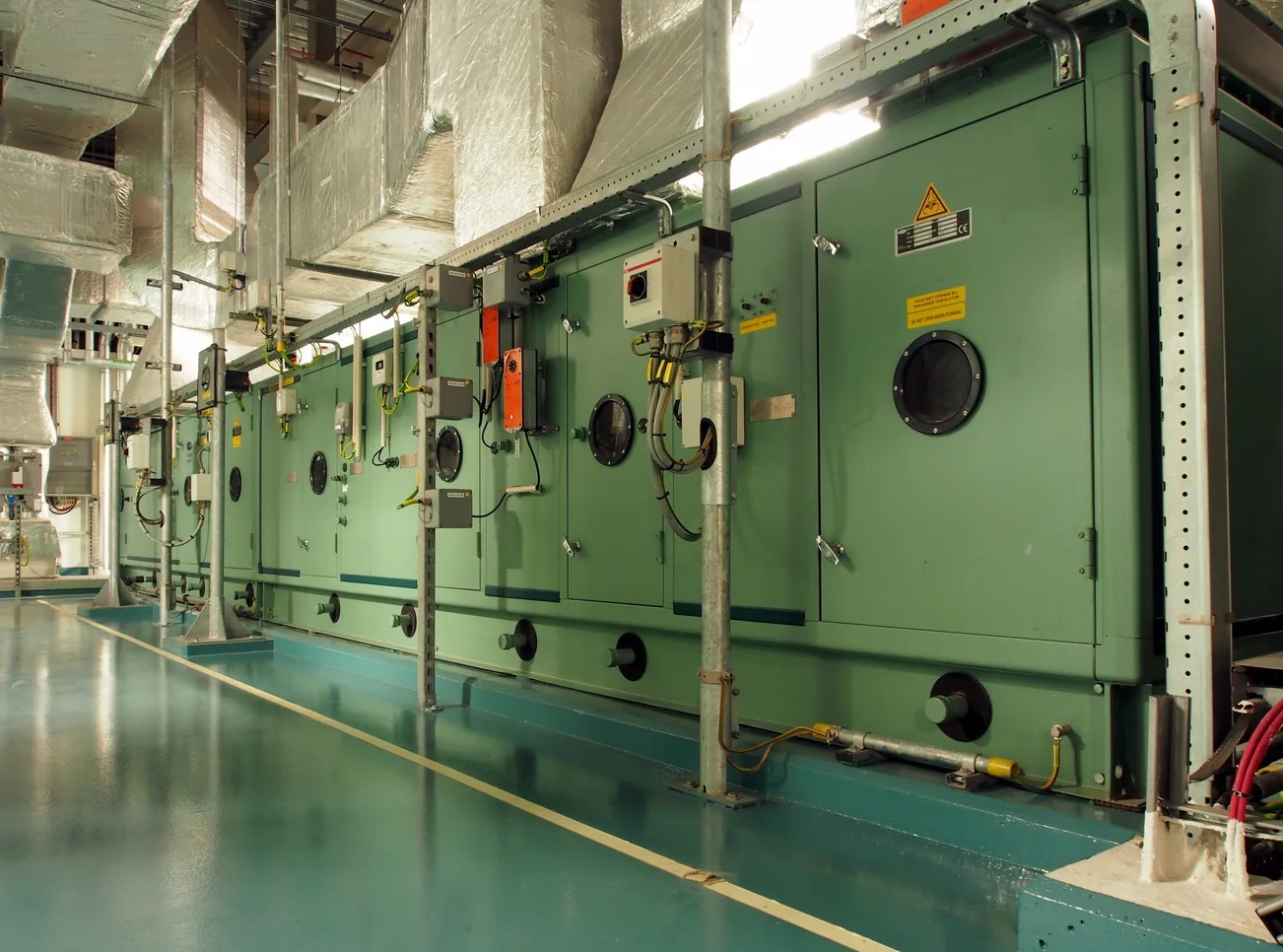
Expert HVAC Fire Damage Cleanup for Columbia Homes and Businesses
HVAC system restoration after a fire ensures heating and cooling equipment operates safely. Smoke particles can clog filters and coat internal parts, reducing performance and potentially causing malfunctions.
In Columbia and nearby locales like Olympia, West Columbia and Forest Acres, odor removal after fire in HVAC is common. Odor particles bind to dust and ducts. Local HVAC fire damage cleanup pros use oxidation during duct sanitization to break them down.
Complete HVAC Fire Damage Cleanup Solutions in Columbia
Air Duct Soot Removal
Soot inside ducts is oily and sticks to surfaces. Aggressive mechanical cleaning removes visible residue. The goal is to stop the distribution of odors and harmful materials.
Emergency HVAC System Shutdown
An emergency HVAC shutdown aims for containment. Stopping airflow isolates damage to fire-affected areas. This proactive step limits the extent of required cleanup.
HVAC Soot
Following a fire, soot and debris can coat HVAC components, reducing efficiency. Local HVAC fire damage cleanup pros in Columbia carefully remove these particulates from the unit, blowers, and ductwork to restore proper airflow.
HVAC Filter Replacement
Fire smoke saturates filters with ash and residues. Cleaning is insufficient; they must be replaced. Fresh units protect equipment and improve air quality.
HVAC Fire Damage Cleanup
An HVAC system impacted by fire needs immediate attention to stop secondary damage. The pros handle HVAC fire damage cleanup with procedures for these complex systems, dislodging and extracting particulate matter from sensitive equipment.
Signs Your Columbia Home Needs HVAC Soot Removal
Activation of Smoke Alarms From HVAC
Smoke detectors triggering when the HVAC system turns on is a severe sign of active particulate circulation needing emergency cleaning.
Visible Soot Around Air Vents
Black dust or smudges near your vents and registers are clear indicators of smoke damage circulating through your ducts.
Ash or Debris Blowing From Vents
Finding particulate matter or ash being discharged from your vents confirms the HVAC system is contaminated and needs attention.
Reduced Airflow From HVAC Vents
Weak airflow can signal that fire debris is clogging your ductwork, blower motor, or air filters after an incident.
How HVAC Fire Damage Cleanup Works in Columbia
Step 1: Containment and Safety Setup
To prevent cross-contamination, work areas are sealed. This setup ensures that soot and debris disturbed during the fire damaged HVAC duct cleaning process are contained and safely removed from the property.
Step 2: Mechanical Agitation of Duct Surfaces
Specialized rotary brushes or air whips are used inside the ducts. This agitation loosens hardened soot from the metal surfaces, preparing it for extraction in the HVAC system restoration after fire.
Step 3: Odor Removal After Fire in HVAC
After physical cleaning, a focused smoke odor neutralization treatment is applied. This often involves sealing duct seams and using fogging or sealing techniques to encapsulate odor molecules.
Step 4: System Performance Check
Once cleaning is complete, the HVAC system is restarted and monitored. The goal is to confirm proper airflow and operation, ensuring the air duct smoke damage cleanup was successful.
What Causes HVAC Smoke Damage in Homes
Water and Chemical Residue From Firefighting
Water and fire retardant chemicals used to extinguish flames can mix with soot, creating a corrosive slurry inside air ducts.
Chemical Residues From Burning Materials
Modern furnishings and building materials release acidic, corrosive chemicals when burned, which coat and damage HVAC components.
House Fire or Kitchen Fire
A primary structure fire forces massive amounts of soot, smoke, and chemical residues directly into the home's HVAC intake and ductwork.
Smoke Penetration Through HVAC Seams
Smoke particles are extremely fine and can infiltrate through small gaps and seams in ductwork, contaminating spaces between walls.
HVAC Fire Damage Cleanup for All Property Types in Columbia
Residential HVAC Fire Damage Cleanup
The goal for any home is to eliminate health hazards after a fire. Smoke odor neutralization and cleaning soot from vents are critical steps. The pros use IICRC-standard methods for this work.
Commercial HVAC Fire Damage Cleanup
Restoring a business property involves addressing air quality concerns for liability and reopening. Comprehensive post fire HVAC cleaning and vent cleaning for smoke damage ensure the ventilation system no longer distributes harmful particulate.
Hiring Local Pros for HVAC Fire Damage Cleanup in Columbia
Light HEPA vacuuming around floor vents removes loose surface soot. Avoid inserting the hose into ducts, which pushes debris deeper. Professional air duct smoke damage cleanup uses specialized negative air machines and brush systems.
Understanding HVAC Fire Damage Cleanup Costs in Columbia
Cleaning soot from vents and performing HVAC decontamination after smoke involves varying levels of effort, influencing the total cost based on your specific system's configuration and damage.
Odor Neutralization Complexity
Stubborn smoke smells that permeate insulation or building materials may require advanced odor removal after fire in HVAC techniques.
Accessibility of Components
Easily accessed vents and a readily available air handler simplify the process of cleaning soot from vents and blower motors.
Filter and Part Replacement
The number of HVAC filters needing replacement and any components damaged by heat or soot impact material costs.
Does Insurance Cover HVAC Fire Damage Cleanup?
Whether air quality testing or HVAC filter replacement is covered is a question for the adjuster. Local pros supply documentation of the damage and restoration steps for the homeowner's claim.
Why Choose Local Pros for HVAC Fire Damage Cleanup in Columbia
Comprehensive Soot Removal
The process addresses visible soot and microscopic particles during air duct smoke damage cleanup, targeting the entire affected system.
Detailed System Assessment
Inspection covers all components, from vents to the blower motor, to plan an effective fire damaged HVAC duct cleaning strategy.
IICRC-Standard Cleaning Protocols
Methods follow industry standards for soot removal from air ducts and HVAC decontamination after smoke, addressing particulate and residue properly.
24/7 Emergency HVAC Fire Damage Cleanup in Columbia
For post-fire HVAC cleaning that begins with securing a system, immediate help is available. Call (803) 941-5983 to reach the experts for 24/7 emergency HVAC system shutdown and initial soot removal.
Call Now (803) 941-5983HVAC Fire Damage Cleanup Service Area Includes Columbia
Professional HVAC fire damage cleanup is essential for homes in Columbia. The pros provide thorough soot removal and decontamination for residents in Olympia, West Columbia and Forest Acres and surrounding communities.
FAQ for HVAC Fire Damage Cleanup in Columbia
Why is blower motor and coil cleaning necessary?
Soot can insulate and foul these critical components, reducing efficiency and potentially causing mechanical failure. Cleaning restores proper airflow and heat transfer.
Does vent cleaning for smoke damage replace filters?
Vent cleaning addresses the duct pathways, but HVAC filter replacement after fire is always required, as filters are clogged with soot and are a primary line of defense.
Is air duct soot removal a messy process?
Professionals use containment methods like negative air machines and seal access points to prevent soot from escaping into your living spaces during the cleaning.
Why is HVAC decontamination after smoke important?
Smoke carries fine particles and chemicals that adhere to duct surfaces. Decontamination cleans these residues to prevent them from off-gassing and affecting your home's air long-term.
How long does HVAC filter replacement after fire take?
Replacing filters is a quick task, but it is part of the full inspection and cleaning process. All system filters should be replaced as a first step in restoration.