St. Andrews, SC · Richland County
Hardwood Floor Water Damage Repair in St. Andrews, SCEmergency Hardwood Floor Drying & Hardwood Floor Water Extraction
Hardwood Floor Water Damage Repair in St. Andrews includes wet subfloor drying, hardwood floor mold prevention and hardwood floor finish restoration.
Answered 24/7
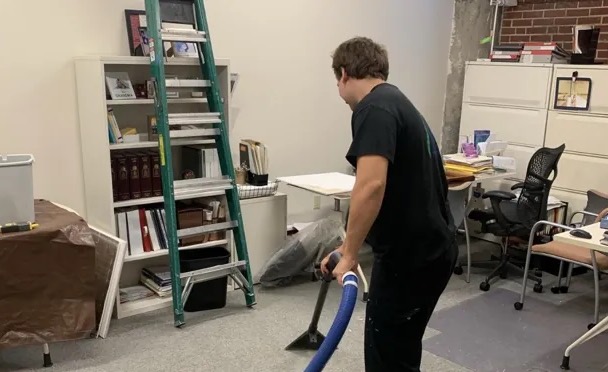
Hardwood Floor Water Damage Repair Services for St. Andrews Residents
In St. Andrews, hardwood water damage often follows appliance failures or plumbing leaks. Water left under the boards leads to mold and bigger repair bills.
Hardwood floor drying in St. Andrews and surrounding communities like Seven Oaks, West Columbia and Oak Grove focuses on saving the original boards. Pros record moisture readings in the boards and subfloor each day until the wood is dry. Property owners in St. Andrews can call (803) 941-5983 day or night to start hardwood floor water damage repair.
Hardwood Floor Water Damage Repair and Restoration Services
Emergency Hardwood Floor Drying
Emergency services focus on deployment of drying systems to start reversing moisture damage before it becomes permanent, a critical service offered by local restoration specialists.
Hardwood Floor Water Extraction
Water is extracted from damaged hardwood with truck-mounted pumps and floor wands, pulling it off the surface and out of the gaps between boards.
Hardwood Floor Cupping Repair
Cupping occurs when hardwood plank edges rise above the center from moisture imbalance. In St. Andrews, drying the floor fully lets cupped boards flatten back into position.
Hardwood Floor Drying Services
Restoration experts set up high-capacity air movers and specialized floor drying mats to draw moisture from deep within the wood, stabilizing the boards to prevent permanent warping.
Wet Subfloor Drying
The pros employ techniques like drilling small drying holes and using injectidry systems to ventilate and dehumidify the space beneath your floors.
Indicators You Need Professional Hardwood Floor Drying
Visible Mold
Black or white specks on wood or along baseboards can be mold and need attention.
Squeaking or Creaking Sounds
New squeaks or creaks when walking can mean the boards or subfloor swelled from water.
Dampness Under Area Rugs
Water trapped under rugs can go unnoticed, so check under them after a leak.
Increased Humidity in Room
A damp feel in the room can mean water is still drying out of the floor.
How Hardwood Floor Water Damage Repair Works in St. Andrews
Step 1: Documentation for Insurance
The pros take photos and moisture readings first, as a record for your insurance claim.
Step 2: Deep Extraction and Cleanup
Water is extracted from the boards and any dirt or sediment it left is cleaned off.
Step 3: Long-Term Drying Monitoring
Moisture meters are checked daily until the boards and subfloor reach normal levels.
Step 4: Cupping and Warp Correction
If boards stay cupped after drying, they can be sanded flat or replaced.
Common Causes of Water Damage in St. Andrews
Roof Leaks and Water Intrusion
Leaks from bathrooms or laundry on upper levels can soak hardwood floors below.
Pet Accidents and Spills
Large or repeated spills that are not dried fully soak into the seams.
Improper Mopping Techniques
Too much water or a steam mop on sealed wood floors can break down the finish and swell the boards.
Natural Flooding Events
Storm water or flash flooding entering the home can soak hardwood across a whole room.
Hardwood Floor Water Damage Repair for Homes and Businesses
Residential Hardwood Floor Water Damage Repair
Home hardwood restoration involves careful moisture inspection and targeted drying. Local specialists handle everything from minor stain treatment to major cupping repair, saving original floors wherever possible.
Commercial Hardwood Floor Water Damage Repair
In businesses, hardwood repair focuses on extraction and drying with commercial equipment, so the space is usable again with little disruption.
Hire Local Pros vs. DIY Hardwood Floor Repair
A property owner can remove standing water from a recent leak using a mop or towels, working from the edges inward. Move any furniture or rugs off the wet area. Do not apply heat or place heaters directly on the wood.
Understanding Hardwood Floor Water Damage Repair Costs
In St. Andrews, the cost depends on the moisture inspection, any cupping repair and the work of refinishing the floor after drying.
Square Footage Affected
The total area of damaged flooring sets the size of the job, from extraction to the final check.
Need for Mold Prevention
An antimicrobial treatment after extraction adds a step to help keep mold from starting.
Extent of Water Saturation
How deep and how far the water went into the boards and subfloor sets the time and equipment needed.
Does Insurance Cover Hardwood Floor Water Damage Repair?
Coverage for wet hardwood usually depends on where the water came from. Slow leaks and maintenance problems are often excluded, so confirm with your insurer.
Advantages of Professional Hardwood Floor Water Damage Repair
Detailed Damage Documentation
Pros systematically document all damage with photos and moisture data, creating a clear record for your files or insurance.
Subfloor Drying Expertise
The subfloor is dried with directed airflow and dehumidifiers, not just the top of the boards.
Targeted Cupping Repair
Cupped floors are dried slowly first, and sanding is done only once the wood is stable.
Emergency Hardwood Floor Water Extraction
If you find water on your hardwood, act fast to protect the subfloor. Call (803) 941-5983 for extraction and a drying check in St. Andrews.
Call Now (803) 941-5983Hardwood Floor Water Damage Repair Available in St. Andrews and Surrounding Areas
For water-damaged wood floors in St. Andrews, help is available, and it also covers nearby Seven Oaks, West Columbia and Oak Grove.
- Hardwood Floor Water Damage Repair in Seven Oaks
- Hardwood Floor Water Damage Repair in West Columbia
- Hardwood Floor Water Damage Repair in Oak Grove
- Hardwood Floor Water Damage Repair in Irmo
- Hardwood Floor Water Damage Repair in Cayce
- Hardwood Floor Water Damage Repair in Olympia
- Hardwood Floor Water Damage Repair in Forest Acres
- Hardwood Floor Water Damage Repair in Arthurtown
- Emergency Damage Restoration in 29203
- Storm Damage Restoration in 29203
- Water Damage Restoration in 29203
- Water Extraction Service in 29203
- Water Leak Detection in 29203
- Water Removal Service in 29203
- Emergency Damage Restoration in 29210
- Storm Damage Restoration in 29210
Frequently Asked Hardwood Floor Water Damage Repair Questions
What causes hardwood floor cupping after water damage?
Cupping is when the edges of the boards rise above the centers because the bottom of the wood took on water. It usually needs professional drying.
What steps are taken to prevent mold after hardwood floor water damage?
Rapid water extraction and drying are the primary defenses. The pros may also apply EPA-registered antimicrobial agents during the hardwood floor mold prevention step to inhibit mold.
What happens if hardwood floor water damage is not treated?
Water left in hardwood leads to cupping, warping, mold under the floor and subfloor rot, and the floor may need to be replaced.
Does homeowners insurance cover hardwood floor leak repair?
Coverage depends on your policy and the cause of the leak. Sudden, accidental events are more likely covered.
How does hardwood floor drying work?
Pros use industrial dehumidifiers, air movers and moisture meters to pull moisture from the planks and subfloor, which limits warping.