Little Mountain, SC · Newberry County
Groundwater Seepage Removal in Little Mountain, SCSlab Seepage Cleanup & Groundwater Seepage Removal
Groundwater Seepage Removal in Little Mountain covers slab leak water cleanup, groundwater damage restoration, and emergency water seepage extraction.
Answered 24/7
Local Pros for Groundwater Seepage Removal in Little Mountain
In Little Mountain, seepage raises indoor humidity and can bring musty air into the living space. Local groundwater seepage removal pros remove the water and dry the structure.
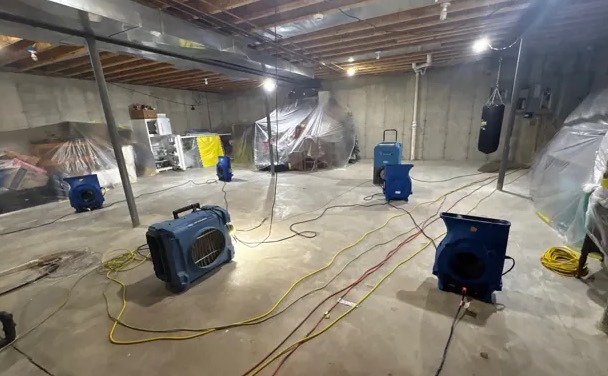
Groundwater seepage in Little Mountain and nearby Chapin, Pomaria and Peak often floods basements and crawl spaces after long, heavy rain. Water extraction experts pump out the water and dry the area to stop the damage. Fast drying protects flooring, framing and stored belongings.
The Groundwater Seepage Removal Process in Little Mountain
Slab Seepage Cleanup
Seepage through a foundation slab often shows up as dark spots, lifting tiles or a damp smell.
Groundwater Seepage Removal
Groundwater comes in through the foundation or up through the slab. The pros in Little Mountain remove the standing water so floors, walls and stored items stop soaking it up.
Slab Leak Water Cleanup
The pros handle slab leak water cleanup, which addresses moisture from a broken pipe beneath a concrete foundation slab.
Foundation Water Extraction
The pros conduct foundation water extraction to pull moisture from around and beneath a home's concrete foundation.
Groundwater Damage Restoration
For homes in Little Mountain, this includes detailed moisture mapping, targeted drying, and sanitization of affected surfaces.
Symptoms Requiring Groundwater Seepage Removal in Little Mountain
Mold on Baseboards
Mold starting at floor level often traces back to seepage through the slab or wall joint.
Sump Pump Running Constantly
A sump pump that never shuts off means groundwater is coming in faster than usual.
Visible Water Pooling in Crawl Space
Standing water in the crawl space under your home means water is coming in and needs to be removed.
Rust on Metal Appliances or Pipes
Rust on furnaces, water heaters or pipes in low areas can point to ongoing seepage nearby.
How Groundwater Seepage Removal Works in Little Mountain
Step 1: Site Evaluation for Water Seepage
The pros check where groundwater is getting in and which areas, such as the basement or slab, are wet.
Step 2: Groundwater Extraction
Using powerful extractors, pros remove invading groundwater from beneath slabs or in crawl spaces. Fast extraction keeps the damage from spreading.
Step 3: Targeted Drying and Air Movement
Strategic placement of drying equipment addresses wet basement drying services and foundation drying.
Step 4: Completion and Claim Support
When the water is out and the area is dry, you get records of the work to share with your insurer.
Sources of Groundwater Intrusion in Little Mountain
Capillary Action Through Concrete
Concrete is porous, so it can wick moisture upward from damp soil into a slab or basement wall.
Inadequate or Faulty Sump Pump
A sump pump that is too small, clogged or broken lets groundwater build up in the basement or crawl space.
Poor Exterior Drainage Grading
Soil that slopes toward the foundation directs rainwater and groundwater into basement walls, causing seepage over time.
Improperly Sealed Window Wells
Window wells that collect water and lack proper drainage invite direct flooding.
Residential and Commercial Groundwater Seepage Removal in Little Mountain
Residential Groundwater Seepage Removal
Residential crawl space water removal stops mold and wood rot. Photos and moisture data are taken for your records and insurance needs.
Commercial Groundwater Seepage Removal
Groundwater seepage removal for retail or office spaces ensures safety. Documentation for insurance is thorough; always confirm specifics with your provider.
Hiring Local Pros vs. DIY Groundwater Seepage Removal in Little Mountain
Documenting the damage for insurance purposes by taking clear photos and videos of all affected areas and belongings is highly recommended before any cleanup begins. Keep a log of your actions.
Understanding Groundwater Seepage Removal Pricing in Little Mountain
In Little Mountain, the price of foundation water extraction depends on how long the work takes and how much drying the space needs.
Restoration Work Needed
If seepage ruined drywall or flooring, removing and replacing it is a separate cost.
Access and Complexity
A tight crawl space or a finished basement full of belongings takes more labor to work in.
Affected Structural Materials
The cost changes depending on whether only the slab got wet or the walls and framing did too.
Does Insurance Cover Groundwater Seepage Removal?
Insurance for wet basement drying services is contingent upon the specific cause of water listed in your policy. You are responsible for submitting this documentation and clarifying coverage with your own insurance adjuster.
Selecting Local Pros for Groundwater Seepage Removal in Little Mountain, South Carolina
Comprehensive Damage Documentation
Notes, photos and moisture logs are kept for any insurance claim you file.
Sequenced Restoration Approach
Work follows a set order: extraction, drying, cleaning and a final check of the readings.
Specialized Crawl Space Access
The pros have the equipment to work safely in tight, hard-to-reach crawl spaces.
Urgent Groundwater Seepage Removal Available in Little Mountain
Drying a wet basement starts with getting the water out. For 24/7 help with groundwater in Little Mountain, call (803) 941-5983 and the pros can start extraction.
Call Now (803) 941-5983Groundwater Seepage Removal Near Little Mountain: Areas Served
Help with groundwater seepage removal is available in Little Mountain and nearby Chapin, Pomaria and Peak, wherever water seeps in through floors, slabs or lower walls.
- Groundwater Seepage Removal in Chapin
- Groundwater Seepage Removal in Pomaria
- Groundwater Seepage Removal in Peak
- Groundwater Seepage Removal in Prosperity
- Groundwater Seepage Removal in Jenkinsville
- Groundwater Seepage Removal in Irmo
- Groundwater Seepage Removal in Newberry
- Groundwater Seepage Removal in Gilbert
- Emergency Damage Restoration in 29075
- Storm Damage Restoration in 29075
- Water Damage Restoration in 29075
- Water Extraction Service in 29075
- Water Leak Detection in 29075
- Water Removal Service in 29075
Common Groundwater Seepage Removal Questions Answered
How long does groundwater removal typically take?
It depends on how wet things are. Extraction may take hours, while drying the structure usually takes several days.
Should I attempt groundwater removal myself?
You can remove visible water, but drying the structure fully takes professional equipment, or hidden moisture and mold can remain.
What areas of the home are most vulnerable to seepage?
Basements, crawl spaces and slab homes, where the building meets the soil, are where seepage shows up most.
How do pros find the source of groundwater intrusion?
They look for cracks, poor drainage or soil sloping toward the house, and use moisture meters to trace the water's path inside.
What causes the need for slab leak water cleanup?
Usually it comes from plumbing leaks, but groundwater can also push moisture up through cracks or joints in a slab floor.