Cross Hill, SC · Laurens County
Floor Water Damage Restoration in Cross Hill, SCEmergency Floor Water Removal & Tile Floor Water Damage Restoration
Floor Water Damage Restoration in Cross Hill covers subfloor water damage repair, emergency floor water removal and vinyl floor water damage cleanup.
Answered 24/7
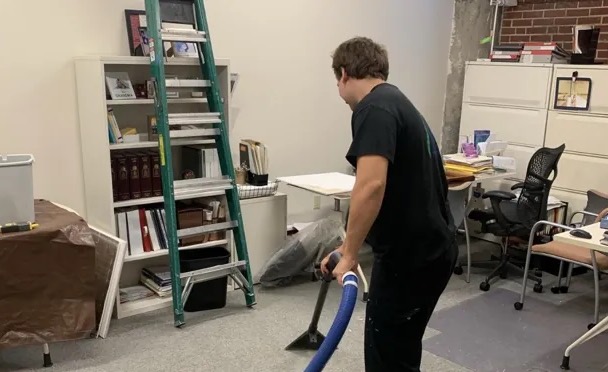
Local Floor Water Damage Restoration Solutions in Cross Hill
Long-term moisture in a floor cavity encourages mold growth and attracts pests, so wet floors in Cross Hill homes need to be dried completely.
Wet floor restoration services in Cross Hill and nearby areas like Mountville, Waterloo and Joanna focus on thorough moisture extraction from all flooring layers. This helps preserve the integrity of homes in Cross Hill.
Complete Floor Water Damage Restoration for Cross Hill
Emergency Floor Water Removal
Local pros offer 24/7 emergency water removal in Cross Hill, using pumps and extractors to stop water from spreading under more flooring.
Tile Floor Water Damage Restoration
Water under tile loosens grout and adhesive. Local restoration pros in Cross Hill find the moisture with meters and dry it without tearing out the tile.
Subfloor Water Damage Repair
Hidden water can rot a subfloor. Pros locate the moisture with sensors, then cut out and replace damaged plywood or OSB.
Hardwood Floor Water Damage Repair
Moisture meters find water trapped under hardwood, and targeted drying systems then protect the subfloor and finish.
Concrete Floor Drying Services
Pros monitor slab moisture with meters and use desiccant or LGR dehumidifiers to reach the right dryness for new adhesive.
Signs Your Floors Need Water Damage Restoration
Laminate Floor Swelling
Swollen edges or a pillowed look on laminate planks means the fiberboard core has soaked up water and will not flatten again.
Tile Grout Deterioration
Crumbling or discolored grout lets water seep under tiles and soak the underlayment, often long before tiles loosen.
Visible Mold or Mildew
Fuzzy mold or black speckling on baseboards or flooring is a serious health hazard, indicating prolonged moisture in floor materials.
Discoloration or Staining
Dark spots, yellowing, or rings on your flooring indicate water has penetrated the surface. Water is likely trapped under the surface.
How Floor Water Damage Restoration Works in Cross Hill
Step 1: Flooded Floor Inspection
The process starts with a detailed inspection to map the extent of water migration.
Step 2: Targeted Water Removal
Extractors pull water from carpet, underlayment and the joints of hard floors to limit swelling and staining.
Step 3: Structural Drying Phase
High-velocity air movers force evaporation, while dehumidifiers capture the released moisture. This combination ensures thorough drying of the floor assembly.
Step 4: Final Verification and Cleanup
Before completion, moisture readings are taken to verify all materials are within dry standards. The area is then cleaned and sanitized.
Common Causes of Floor Water Damage in Cross Hill
Roof Leaks and Storm Damage
Roof leaks travel along joists and walls before they show up, often soaking upper floors and the subfloor first.
Improper Door and Window Seals
Failed caulk or weather stripping lets wind-driven rain in around doors and windows, where it pools on the floor at the frame.
Plumbing Line Failures
Burst supply lines, cracked drain pipes and failed fittings under sinks and toilets often send a lot of water across a floor before anyone notices.
Natural Flooding Events
Heavy rains, flash floods, or overflowing bodies of water can inundate ground-level floors.
Residential and Commercial Floor Water Damage Restoration in Cross Hill
Residential Floor Water Damage Restoration
Extraction experts use powerful truck-mounted units to remove water, then lift carpets for underlayment drying, a key step in preventing odors and preserving the homeowner's investment.
Commercial Floor Water Damage Restoration
The process involves careful removal of planks, drying of the substrate, and replacement with the same materials so the floor looks uniform.
Handling Floor Water Damage: DIY vs. Local Pros
You can lift the edge of a loose laminate or vinyl plank to let air in and check whether carpet pad is wet. If the pad is soaked, or boards start to buckle or smell, the floor needs professional extraction and drying.
The Cost of Floor Water Damage Restoration for Cross Hill Properties
For floor water damage restoration in Cross Hill, the price depends on how many air movers and dehumidifiers are needed, how long they run and whether any flooring has to be replaced.
Required Drying Time
The more days the flooring takes to dry, the longer the equipment runs and the higher the labor total.
Water Contamination Category
Clean water from a supply line costs less to handle than gray water or sewage, which need protective gear and disinfection.
Extent of Saturation
The wet area and how deep the water went decide how many air movers and dehumidifiers are needed and for how many days.
Does Insurance Cover Floor Water Damage Restoration?
For water damaged floor repair, many policies cover sudden discharges but exclude long-term seepage. Confirm details with an insurance agent before authorizing work. Professionals keep records, like subfloor moisture maps, for the claim file.
Why Choose Local Pros for Floor Water Damage Restoration in Cross Hill
Material-Specific Expertise
Hardwood, laminate, tile and vinyl react to water differently, so each gets its own drying approach.
Focused Subfloor Attention
The subfloor is dried as well as the surface, since it often stays wet long after the top layer feels dry.
EPA-Registered Antimicrobials
An antimicrobial can be applied to wet subfloor and framing during drying to help keep mold from starting.
Emergency Floor Water Damage Restoration Response in Cross Hill
Immediate action is required for floor water damage to prevent warping, mold, and subfloor rot. For 24/7 emergency floor water removal in Cross Hill, contact local floor water damage restoration pros directly at (803) 941-5983.
Call Now (803) 941-5983Floor Water Damage Restoration Service Area Around Cross Hill
Help with floor water damage restoration reaches homes in Cross Hill and nearby Mountville, Waterloo and Joanna, from hardwood and laminate to carpet and tile.
- Floor Water Damage Restoration in Mountville
- Floor Water Damage Restoration in Waterloo
- Floor Water Damage Restoration in Joanna
- Floor Water Damage Restoration in Greenwood
- Floor Water Damage Restoration in Kinards
- Floor Water Damage Restoration in Silverstreet
- Floor Water Damage Restoration in Clinton
- Floor Water Damage Restoration in Laurens
- Emergency Damage Restoration in 29332
- Storm Damage Restoration in 29332
- Water Damage Restoration in 29332
- Water Extraction Service in 29332
- Water Leak Detection in 29332
- Water Removal Service in 29332
Frequently Asked Floor Water Damage Restoration Questions
Can laminate flooring be saved after water damage?
Usually not. Laminate planks swell and warp for good, so most cases mean replacing the affected sections.
Can water damaged hardwood floors always be repaired?
Often, if it is dried quickly. How badly the boards cup and how wet the subfloor is decide between refinishing and replacement.
How do professionals handle tile floor water damage restoration?
Tile does not absorb water, but grout and underlayment do. Pros extract water from under tiles, dry the substrate and often regrout.
What are signs of hidden subfloor water damage?
Signs include a spongy feel underfoot, buckling flooring, musty odors and stains along baseboards.
What is involved in the floor water damage restoration process?
It starts with water extraction, then moisture mapping, drying with air movers and dehumidifiers, and monitoring until the floor is dry.