Little Mountain, SC · Newberry County
Desiccant Dehumidification in Little Mountain, SCBasement Dehumidification & Mold Prevention Drying
Property owners in Little Mountain get Desiccant Dehumidification for water damage dehumidification, crawl space drying and flood drying services.
Answered 24/7
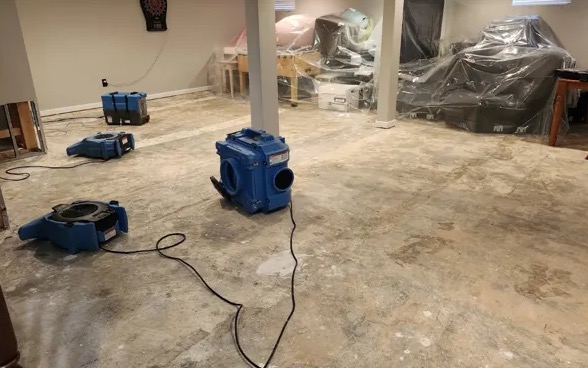
Desiccant Dehumidification: Moisture Control in Little Mountain
Construction projects in Little Mountain can trap moisture in new concrete, drywall mud and framing. Flooring and finishes may fail if laid over damp materials.
In Little Mountain, desiccant drying is often used in crawl spaces and large buildings after floods. Local desiccant dehumidification experts serve Little Mountain, Chapin, Pomaria and Peak, choosing equipment based on readings.
Desiccant Dehumidification Services in Little Mountain
Basement Dehumidification
Once readings show the basement is dry, equipment is removed and the space is ready for repairs.
Mold Prevention Drying
In contained work areas, desiccant dehumidifiers keep the air dry while damaged materials are removed and framing is cleaned.
Emergency Dehumidification
Equipment is sized to the space on the first visit and adjusted each day based on readings.
Flood Drying Services
Floodwater is treated as contaminated, so soaked porous materials are removed and surfaces cleaned before drying starts.
Water Damage Dehumidification
Dehumidification runs alongside air movers, and readings are taken daily until every wet material is back to normal.
When to Consider Desiccant Dehumidification in Little Mountain
Strong Damp Odor in Rooms
A damp smell that stays in a room after cleanup means materials there are still holding moisture.
Efflorescence on Masonry Surfaces
White, powdery deposits on masonry show water moving through concrete or block.
Active Mold Spots
Dark spots appearing on walls or ceilings mean materials stayed damp long enough for mold.
Musty Smell in Stored Items
Boxes and fabrics that smell musty show the space has stayed damp too long.
How Desiccant Dehumidification Works in Little Mountain
Step 1: Emergency Moisture Evaluation
The wet area is mapped and the right size and type of dehumidifier is chosen.
Step 2: High-Capacity Setup
Large desiccant units are placed for big spaces or cool areas where standard units struggle.
Step 3: Active Drying Cycle
Dry air is moved across wet materials, with daily readings to track progress.
Step 4: Completion and Insurance Records
Final readings and daily drying logs are compiled into a record for your insurer.
Sources of Moisture Requiring Desiccant Dehumidification in Little Mountain
Appliance Malfunctions and Overflows
Washers, dishwashers and water heaters that leak leave wet floors, cabinets and walls.
Plumbing Leaks or Pipe Bursts
Burst pipes and leaking supply lines soak walls and floors that then need drying.
Poor Ventilation in Enclosed Areas
Closed, poorly ventilated spaces trap moisture and dry very slowly after water damage.
Foundation Cracks and Seepage
Foundation cracks let groundwater seep into lower levels, keeping walls and floors damp.
Residential and Commercial Desiccant Dehumidification in Little Mountain
Residential Desiccant Dehumidification
Families can usually stay home during drying, though equipment makes steady noise and some areas may be closed off.
Commercial Desiccant Dehumidification
Builders and contractors use desiccant drying to get slabs and drywall ready for flooring and paint on schedule.
Professional Desiccant Dehumidification or DIY in Little Mountain?
Do not run drying equipment on materials soaked by sewage or floodwater before they are cleaned or removed, since that spreads contamination through the house.
Understanding Desiccant Dehumidification Expenses in Little Mountain
In Little Mountain, starting drying right after a leak or flood usually shortens the job and lowers the total equipment cost.
Number of Dehumidifiers
The number and size of dehumidifiers needed for the space is a major part of the cost.
Type of Water Damage
Floodwater and sewage need cleaning and removal of materials before drying, which adds cost.
Access and Complexity
Crawl spaces, tight areas and large buildings take more effort to set up and monitor.
Does Insurance Cover Desiccant Dehumidification?
Daily humidity and moisture logs from local desiccant dehumidification experts help support an insurance claim for drying after water damage in Little Mountain.
Advantages of Hiring Local Pros in Little Mountain for Desiccant Dehumidification
Targeted Drying
Equipment is placed for the specific materials and spaces that are wet.
Desiccant Equipment
Desiccant units are used where they fit, such as cool spaces, crawl spaces and large buildings.
24/7 Emergency Response
Help is available day or night to set up drying equipment after a leak or flood.
24/7 Emergency Desiccant Dehumidification in Little Mountain
If the wet area has electrical hazards or sagging ceilings, stay clear and shut off power if it is safe. Then call (803) 941-5983 for help in Little Mountain.
Call Now (803) 941-5983Desiccant Dehumidification Coverage for Little Mountain and Beyond
Need desiccant dehumidification outside Little Mountain? Service also covers Chapin, Pomaria and Peak, including emergency drying after hours.
- Desiccant Dehumidification in Chapin
- Desiccant Dehumidification in Pomaria
- Desiccant Dehumidification in Peak
- Desiccant Dehumidification in Prosperity
- Desiccant Dehumidification in Jenkinsville
- Desiccant Dehumidification in Irmo
- Desiccant Dehumidification in Newberry
- Desiccant Dehumidification in Gilbert
- Emergency Damage Restoration in 29075
- Storm Damage Restoration in 29075
- Water Damage Restoration in 29075
- Water Extraction Service in 29075
- Water Leak Detection in 29075
- Water Removal Service in 29075
Frequently Asked Questions About Desiccant Dehumidification
Can desiccant dehumidification dry behind walls?
Dry air helps, especially when directed into wall cavities through small openings, with readings to confirm results.
What are the benefits of construction drying services?
Drying slabs and drywall on schedule so flooring and finishes are not installed over damp materials.
How is emergency dehumidification different from standard service?
It starts right after a leak or flood, any time of day, so materials do not keep soaking up moisture.
How long does crawl space drying typically take?
Often several days, depending on how wet the framing is and how cool and damp the space stays.
How do rapid drying methods protect my property?
They dry materials before they swell, warp or grow microbes, which keeps repairs smaller.