Cross Anchor, SC · Spartanburg County
Desiccant Dehumidification in Cross Anchor, SCBasement Dehumidification & Flood Drying Services
Desiccant Dehumidification in Cross Anchor covers flood drying services, crawl space drying and emergency dehumidification.
Answered 24/7
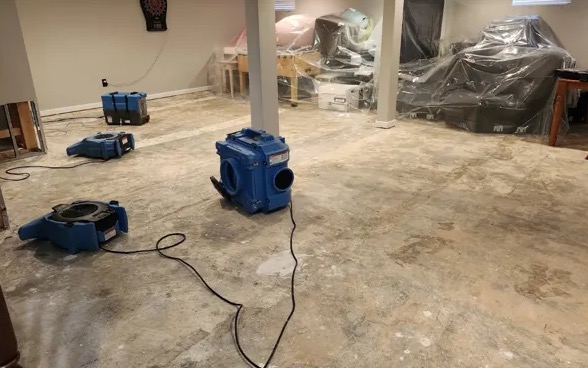
Desiccant Dehumidification Solutions in Cross Anchor, South Carolina
Desiccant Dehumidification in Cross Anchor is not needed for every job. Small leaks in warm rooms often dry well with standard dehumidifiers. Cool spaces, large buildings and dense materials are where desiccant units help most.
Property owners in Cross Anchor can call (803) 941-5983 day or night when water damage needs drying. Service also covers Enoree, Buffalo and Clinton, with equipment sized to the space.
Desiccant Dehumidification Options Available in Cross Anchor
Basement Dehumidification
Once readings show the basement is dry, equipment is removed and the space is ready for repairs.
Flood Drying Services
Flood drying pairs desiccant units with air movers aimed at wet materials, with readings taken every day until the structure is dry.
Emergency Dehumidification
Equipment is sized to the space on the first visit and adjusted each day based on readings.
Firefighting Water Drying
Firefighting water can soak several rooms at once. Large drying setups remove that moisture so repairs can begin.
Water Damage Dehumidification
Dehumidification runs alongside air movers, and readings are taken daily until every wet material is back to normal.
Indicators for Desiccant Dehumidification in Your Cross Anchor Home
Efflorescence on Masonry Surfaces
White, powdery deposits on masonry show water moving through concrete or block.
Strong Damp Odor in Rooms
A damp smell that stays in a room after cleanup means materials there are still holding moisture.
Visible Condensation on Windows
Windows that fog or drip inside show the air holds too much moisture for materials to dry.
Wet Insulation in Attics or Walls
Insulation that is wet in attics or walls holds water against framing and slows drying.
How Desiccant Dehumidification Works in Cross Anchor
Step 1: Emergency Moisture Evaluation
The wet area is mapped and the right size and type of dehumidifier is chosen.
Step 2: High-Capacity Setup
Large desiccant units are placed for big spaces or cool areas where standard units struggle.
Step 3: Active Drying Cycle
Dry air is moved across wet materials, with daily readings to track progress.
Step 4: Completion and Insurance Records
Final readings and daily drying logs are compiled into a record for your insurer.
Typical Moisture Intrusions and Desiccant Dehumidification in Cross Anchor
Groundwater Rise After Heavy Rains
Groundwater rising after long rains keeps crawl spaces and lower levels damp.
Roof Leaks From Damaged Shingles
Roof leaks from damaged shingles soak attic insulation, roof decking and the ceilings below.
Poor Ventilation in Enclosed Areas
Closed, poorly ventilated spaces trap moisture and dry very slowly after water damage.
Appliance Malfunctions and Overflows
Washers, dishwashers and water heaters that leak leave wet floors, cabinets and walls.
Desiccant Dehumidification for All Property Types in Cross Anchor
Residential Desiccant Dehumidification
Families can usually stay home during drying, though equipment makes steady noise and some areas may be closed off.
Commercial Desiccant Dehumidification
Builders and contractors use desiccant drying to get slabs and drywall ready for flooring and paint on schedule.
Desiccant Dehumidification vs. DIY: When to Call the Pros
Do not run drying equipment on materials soaked by sewage or floodwater before they are cleaned or removed, since that spreads contamination through the house.
Desiccant Dehumidification Cost in Cross Anchor, SC
The pros take readings before pricing desiccant dehumidification in Cross Anchor, then explain how many units are needed and how long drying should take.
Type of Water Damage
Floodwater and sewage need cleaning and removal of materials before drying, which adds cost.
Number of Dehumidifiers
The number and size of dehumidifiers needed for the space is a major part of the cost.
Time of Response
Night, weekend and holiday setup can cost more than a scheduled weekday visit.
Does Insurance Cover Desiccant Dehumidification?
Photograph wet areas before drying begins and keep receipts for emergency extraction, drying equipment and any hotel stay during the work.
Benefits of Local Pros for Desiccant Dehumidification in Cross Anchor
Desiccant Equipment
Desiccant units are used where they fit, such as cool spaces, crawl spaces and large buildings.
Industry Drying Standards
Drying follows industry water damage standards, with readings taken at every visit.
Large Projects
Large buildings and job sites get drying plans that keep work and business moving.
Round-the-Clock Desiccant Dehumidification in Cross Anchor, SC
Crawl space or lower level wet after a storm? Call (803) 941-5983 now for desiccant dehumidification in Cross Anchor before the framing stays damp.
Call Now (803) 941-5983Desiccant Dehumidification Service Area Including Cross Anchor
Help with desiccant dehumidification is also available in communities near Cross Anchor, including Enoree, Buffalo and Clinton, for floods, crawl spaces and commercial buildings.
- Desiccant Dehumidification in Enoree
- Desiccant Dehumidification in Buffalo
- Desiccant Dehumidification in Clinton
- Desiccant Dehumidification in Woodruff
- Desiccant Dehumidification in Laurens
- Desiccant Dehumidification in Monarch Mill
- Desiccant Dehumidification in Union
- Desiccant Dehumidification in Gray Court
- Emergency Damage Restoration in 29331
- Storm Damage Restoration in 29331
- Water Damage Restoration in 29331
- Water Extraction Service in 29331
- Water Leak Detection in 29331
- Water Removal Service in 29331
Desiccant Dehumidification Information: Your Questions
Can desiccant dehumidification help prevent mold?
Yes. Lowering humidity and drying materials quickly is one of the main ways to keep mold from starting.
What happens after desiccant dehumidification is complete?
Final readings are recorded, equipment is removed and the space is ready for repairs or finishes.
What is involved in basement dehumidification after a flood?
Removing water, placing dehumidifiers and air movers and running them until concrete and framing read dry.
How are moisture levels monitored during drying?
With hygrometers for air and moisture meters for drywall, wood and concrete, checked every day.
What areas can benefit from moisture control services?
Crawl spaces, lower levels, attics, large commercial spaces and any room where materials got wet.