Lexington, SC · Lexington County
Contaminated Water Removal in Lexington, SCGray Water Damage Cleanup & Toxic Spill Water Removal
For a sewer backup, Contaminated Water Removal in Lexington means sewage backup water removal, sewage water cleanup and contaminated carpet removal.
Answered 24/7
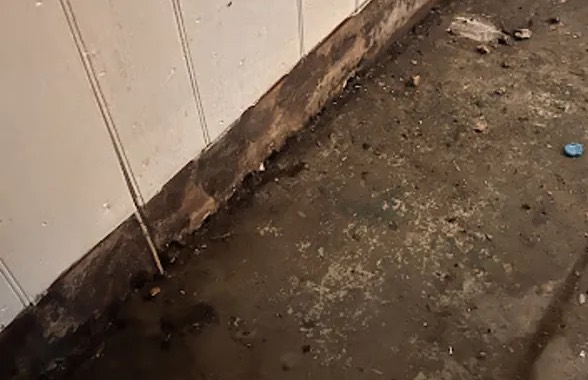
Local Contaminated Water Removal Services in Lexington, South Carolina
Gray water and black water are the two kinds of contaminated water. In Lexington homes, gray water comes from appliances and sink drains, and black water comes from sewage and floodwater.
In Lexington, Red Bank, Oak Grove and Seven Oaks, heavy storms can overload sewer systems and push dirty water into homes. The pros handle that water safely and dry the space.
Comprehensive Contaminated Water Removal Offerings in Lexington County
Gray Water Damage Cleanup
Gray water can carry soap, food and bacteria. If it sits for a day or two, it is treated more like black water.
Toxic Spill Water Removal
Larger chemical or fuel spills may need a hazardous materials contractor. The pros handle the water damage once the area is safe.
Contaminated Carpet Removal
Contaminated carpet is extracted first to reduce weight and dripping, then removed in sections and disposed of properly.
Black Water Extraction
Porous materials soaked by black water usually cannot be cleaned safely, so they are bagged and removed before drying.
Sewage Backup Water Removal
Sewage from a backed-up toilet, floor drain or tub is extracted with protective gear, and the affected area is sealed off from clean rooms.
Signs of Contaminated Water Damage in Lexington
Black Water After Heavy Rains
Water that flowed in from outside after heavy rain carries soil and contaminants and is treated as black water.
Discolored Water in Basement
Dark or cloudy water in a basement often carries soil, sewage or debris from outside.
Foul Odors From Standing Water
Standing water with a foul or sewage smell is contaminated and should not be touched without protection.
Visible Sewage in Carpet
Carpet with visible waste, debris or brown staining has absorbed contaminated water and must be removed.
How Contaminated Water Removal Works in Lexington
Step 1: Emergency Assessment and Containment
Water use is stopped, power is made safe and the area is sealed off with plastic sheeting.
Step 2: Contaminated Water Extraction
Workers in protective gear extract the water and remove solids and debris.
Step 3: Deep Cleaning and Disinfection
Porous materials such as carpet and drywall are removed, and hard surfaces are scrubbed and disinfected.
Step 4: Drying and Moisture Control
Air movers, dehumidifiers and air scrubbers dry the structure, with readings taken daily.
What Causes Contaminated Water Incidents in Lexington
Severe Sewer Line Blockages
Tree roots, grease and debris block sewer lines and push wastewater back into the home.
Plumbing System Failures
Cracked drain pipes and failed fittings leak wastewater into walls, floors and crawl spaces.
Landscape Irrigation Issues
Irrigation runoff carrying fertilizer and soil can seep into lower levels through walls.
Sump Pump Overwhelm or Failure
A sump pump that fails or is overwhelmed lets dirty groundwater rise into the basement.
Residential and Commercial Contaminated Water Removal in Lexington
Residential Contaminated Water Removal
A gray water leak from a washer is often less severe than sewage, but it still needs cleaning before drying.
Commercial Contaminated Water Removal
Medical offices, schools and childcare centers need contaminated water cleanup that meets the health rules for those spaces before reopening.
Hiring Local Pros vs. DIY Contaminated Water Removal in Lexington County
You can stop using water in the house, keep people and pets away and take photos. Removing contaminated materials and disinfecting the area needs protective gear and the right products.
Estimating Contaminated Water Removal Expenses in Lexington County
The pros identify the water source and map the affected area before pricing contaminated water removal in Lexington, then explain each step.
Required Drying Time
Drying after cleaning can take several days, and each day of equipment adds cost.
Access Complexity
Crawl spaces, basements and tight areas take longer to reach and clean safely.
Affected Area Size
Larger contaminated areas need more extraction, more removal of materials, more disinfection and more drying.
Does Insurance Cover Contaminated Water Removal?
Insurers often ask where the water came from, since coverage for sewage, gray water and floodwater differs. Notes on the source help answer that.
The Value of Local Pros for Contaminated Water Removal in Lexington County
Structural Drying Expertise
Walls, subfloors and framing are dried after cleaning, not just the visible surfaces.
Detailed Damage Documentation
Photos, removal lists and drying logs are kept to support your insurance claim.
Preventive Mold Strategies
Fast cleanup and drying, plus treatment where needed, limits microbial growth after contaminated water.
Around-the-Clock Emergency Contaminated Water Removal in Lexington
If contaminated water is near outlets or appliances, shut off power at the panel if it is safe and stay out of it. Then call (803) 941-5983 for help.
Call Now (803) 941-5983Contaminated Water Removal Coverage in Lexington, Red Bank, Oak Grove and Seven Oaks
Help with contaminated water removal is also available in communities near Lexington, including Red Bank, Oak Grove and Seven Oaks, for sewage backups, gray water leaks and floodwater.
- Contaminated Water Removal in Red Bank
- Contaminated Water Removal in Oak Grove
- Contaminated Water Removal in Seven Oaks
- Contaminated Water Removal in Irmo
- Contaminated Water Removal in Cayce
- Contaminated Water Removal in West Columbia
- Contaminated Water Removal in Gilbert
- Contaminated Water Removal in Gaston
- Emergency Damage Restoration in 29071
- Storm Damage Restoration in 29071
- Water Damage Restoration in 29071
- Water Extraction Service in 29071
- Water Leak Detection in 29071
- Water Removal Service in 29071
- Emergency Damage Restoration in 29072
- Storm Damage Restoration in 29072
Contaminated Water Removal FAQs
What is the difference between water extraction and restoration?
Extraction removes the water. Restoration includes cleaning, disinfection, drying and preparing the area for repairs.
What are dehumidification services used for after contaminated water?
Drying walls, floors and framing after cleaning, so cleaned surfaces do not stay damp.
What happens during the drying phase after cleanup?
Air movers and dehumidifiers dry the cleaned structure, and readings are taken daily until it is normal.
What should be done while waiting for contaminated water removal?
Stop water use, keep people and pets away, shut off power to wet areas if safe and take photos.
Can gray water damage cleanup wait?
Not for long. Gray water left for a day or two can turn into black water and need more removal.