Cross Hill, SC · Laurens County
Contaminated Water Removal in Cross Hill, SCBlack Water Extraction & Emergency Water Mitigation
Get contaminated water removal in Cross Hill for sewage water cleanup, sewage backup water removal and gray water damage cleanup.
Answered 24/7
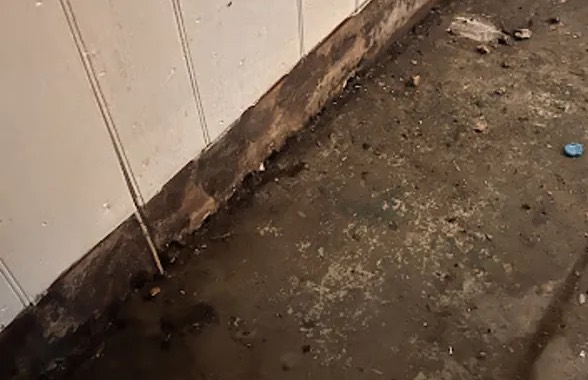
Contaminated Water Removal: Around-the-Clock Help for Cross Hill Properties
Not all water damage is the same. In Cross Hill, water from a sewer backup, an overflowing toilet, a washing machine drain or outside flooding carries contaminants that clean water from a supply line does not.
In Cross Hill, Mountville, Waterloo and Joanna, heavy storms can overload sewer systems and push dirty water into homes. The pros handle that water safely and dry the space.
Complete Contaminated Water Removal Process for Cross Hill
Black Water Extraction
Black water extraction starts with containment, so contamination is not tracked through the house during cleanup.
Emergency Water Mitigation
Fast mitigation keeps contamination from spreading into clean rooms, ductwork and the floor below.
Gray Water Damage Cleanup
Gray water can carry soap, food and bacteria. If it sits for a day or two, it is treated more like black water.
Flooded Basement Cleanup
Below-grade spaces dry slowly, so dehumidifiers run until the slab and walls test dry after cleaning.
Sewage Water Cleanup
Sewage water cleanup includes removing soaked materials, disinfecting surfaces and running air scrubbers while work continues.
How to Know You Need Contaminated Water Removal in Your Cross Hill Property
Mold After a Flood
Dark spots on walls or floors after a flood mean contaminated materials have stayed wet too long.
Chemical Smell Near Standing Water
A chemical or fuel smell near water means something hazardous may be mixed in. Keep clear.
Foul Odors From Standing Water
Standing water with a foul or sewage smell is contaminated and should not be touched without protection.
Persistent Wet Carpet Issues
Carpet that stays wet and smells sour after a leak may have turned contaminated over time.
How Contaminated Water Removal Works in Cross Hill
Step 1: Initial Hazard Assessment
The type of contamination is identified and the right protective gear is chosen.
Step 2: Source Control and Water Extraction
The backup or leak is stopped, and contaminated water is extracted right away.
Step 3: Removal and Disposal
Contaminated materials are removed, bagged and disposed of according to local rules for that kind of waste.
Step 4: Drying and Dehumidification
Clean surfaces are dried with dehumidifiers and air movers until readings are normal.
What Causes Contaminated Water Incidents in Cross Hill
Heavy Rainfall and Flooding
Heavy rain and flooding carry soil, chemicals and sewage into buildings through doors and walls.
Landscape Irrigation Issues
Irrigation runoff carrying fertilizer and soil can seep into lower levels through walls.
Sump Pump Overwhelm or Failure
A sump pump that fails or is overwhelmed lets dirty groundwater rise into the basement.
Plumbing System Failures
Cracked drain pipes and failed fittings leak wastewater into walls, floors and crawl spaces.
Residential and Commercial Contaminated Water Removal in Cross Hill
Residential Contaminated Water Removal
A gray water leak from a washer is often less severe than sewage, but it still needs cleaning before drying.
Commercial Contaminated Water Removal
Medical offices, schools and childcare centers need contaminated water cleanup that meets the health rules for those spaces before reopening.
Hiring Local Pros vs. DIY Contaminated Water Removal in Laurens County
Bleach poured on sewage can create harsh fumes and does not clean porous materials. Contaminated carpet, pad and drywall need to be removed, not sprayed.
Factors Affecting Contaminated Water Removal Cost in Cross Hill
The cost of contaminated water removal in Cross Hill depends on the type of contamination, how far it spread and how much material must be removed.
Water Source and Volume
A large volume of water, or water from several sources, adds pumping and cleanup time.
Contamination Category
Black water costs more to clean up than gray water, since more materials are removed and disinfected.
Access Complexity
Crawl spaces, basements and tight areas take longer to reach and clean safely.
Does Insurance Cover Contaminated Water Removal?
Many homeowner policies exclude sewer backups unless you added a backup endorsement, and outside flooding usually needs flood insurance. Check your policies early.
Advantages of Hiring Local Pros in Cross Hill for Contaminated Water Removal
Preventive Mold Strategies
Fast cleanup and drying, plus treatment where needed, limits microbial growth after contaminated water.
Containment and Sanitization
The area is sealed off and cleaned so contamination stays out of clean rooms.
Moisture Mapping
Meters show where contaminated water spread under flooring, into walls and toward other rooms.
Round-the-Clock Emergency Contaminated Water Removal in Laurens County
Night, weekend or holiday, local contaminated water cleanup pros handle contaminated water in Cross Hill. Call (803) 941-5983 to get the water out and the area cleaned safely.
Call Now (803) 941-5983Contaminated Water Removal Near Cross Hill: Areas Served
Contaminated water removal also covers homes and businesses in Mountville, Waterloo and Joanna, close to Cross Hill, day or night.
- Contaminated Water Removal in Mountville
- Contaminated Water Removal in Waterloo
- Contaminated Water Removal in Joanna
- Contaminated Water Removal in Greenwood
- Contaminated Water Removal in Kinards
- Contaminated Water Removal in Silverstreet
- Contaminated Water Removal in Clinton
- Contaminated Water Removal in Laurens
- Emergency Damage Restoration in 29332
- Storm Damage Restoration in 29332
- Water Damage Restoration in 29332
- Water Extraction Service in 29332
- Water Leak Detection in 29332
- Water Removal Service in 29332
Contaminated Water Removal FAQs
What equipment is used for contaminated water removal?
Pumps and extractors, protective gear, disinfectants and air scrubbers, plus dehumidifiers, air movers and moisture meters for drying.
What is the difference between water extraction and restoration?
Extraction removes the water. Restoration includes cleaning, disinfection, drying and preparing the area for repairs.
When is sewage water cleanup required?
Whenever water carries sewage or other waste, including toilet overflows with waste and sewer backups.
How quickly should black water removal begin?
Right away. Black water spreads bacteria and odor into materials the longer it sits, increasing what must be removed.
Can microbial growth be avoided after contaminated water damage?
Usually, if contaminated materials are removed and the structure is dried quickly after cleaning.