Buffalo, SC · Union County
Commercial Water Removal in Buffalo, SCRestaurant Kitchen Water Cleanup & School Water Damage Restoration
Commercial Water Removal in Buffalo covers office water damage cleanup, warehouse flood water extraction and commercial carpet water extraction.
Answered 24/7
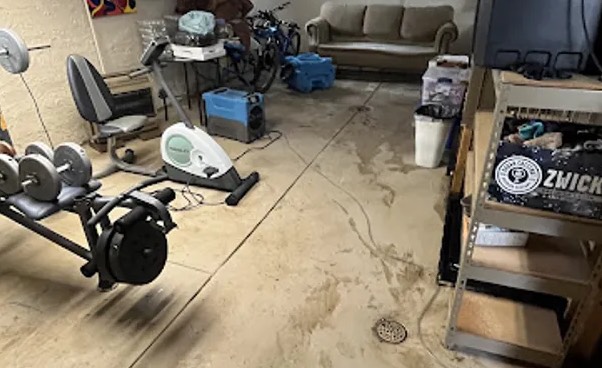
Commercial Water Removal Experts Serving Buffalo, South Carolina
School and office buildings in Buffalo often have drop ceilings, carpet tiles and long drywall partitions. Water from a roof leak or sprinkler line can spread across all of them.
A sprinkler line break in Buffalo can soak several floors at once. Local water damage restoration experts serve Buffalo and nearby Union, Monarch Mill and Jonesville, with help available around the clock.
Industrial and Commercial Water Removal in Buffalo
Restaurant Kitchen Water Cleanup
Water under cooking lines and coolers is reached by moving equipment where possible, so hidden areas dry too.
School Water Damage Restoration
School floods affect classrooms, gyms, hallways and offices. Water is extracted and drying is planned around the school calendar where possible.
Warehouse Flood Water Extraction
Pallets and racking at floor level are moved or raised, since cardboard and wood pallets soak up water from the slab quickly.
Industrial Facility Drying Services
Large plants and shops are dried with high-capacity dehumidifiers and air movers placed around machinery and production areas.
Commercial Carpet Water Extraction
Commercial carpet and carpet tiles are extracted with high-capacity units, and tiles that released from the slab are noted for replacement.
Do You Need Commercial Water Removal in Buffalo?
Soggy Carpet Spots
Spots of soggy carpet or carpet tiles mean water is trapped against the slab underneath.
Swollen Cabinets or Furniture
Break room cabinets, desks or furniture that swell at the base have been standing in water.
Rusted Metal Fixtures
Rust on metal door frames, shelving or fixtures near the floor points to repeated moisture.
Water Around Foundation
Water collecting near the foundation outside can seep into lower floors and below-grade rooms.
How Commercial Water Removal Works in Buffalo
Step 1: Site Assessment
Safety is checked, the source is stopped and the wet zones are mapped across the building.
Step 2: Bulk Water Removal
Pumps and high-capacity extractors remove standing water from slabs, carpet tiles and stockrooms.
Step 3: Structural Drying Process
Large dehumidifiers and air movers dry walls, slabs and ceiling cavities, with readings daily.
Step 4: Final Verification Testing
Readings across every zone confirm the space is dry before equipment is removed and areas reopen.
Common Causes of Commercial Water Damage in Buffalo
Window and Door Seal Failure
Worn seals on storefront glass, windows and doors let rain into lobbies and sales floors.
Appliance Malfunctions
Dishwashers, beverage machines, water heaters and coolers can fail and flood kitchens and break rooms.
Burst Supply Lines
Supply lines and risers in commercial buildings can burst and flood several floors at once.
HVAC System Condensation
Rooftop and ceiling HVAC units overflow when their condensate drains clog, soaking ceiling tiles.
Commercial Water Removal for Buffalo Offices, Retail, and Warehouses
Residential Water Removal
Residential equipment is portable and sized to fit through doors and up stairs into individual rooms of a house.
Commercial Water Removal
Commercial jobs may use truck-mounted extractors, large pumps and high-capacity dehumidifiers to dry warehouses, gyms and office floors.
The Limits of DIY for Commercial Water Removal in Buffalo
Mops and shop vacs handle small spills but cannot keep up with a flooded floor. They also leave water in carpet backing, drywall and ceiling tiles.
Commercial Water Removal Pricing in Buffalo
The pros walk the property before pricing commercial water removal in Buffalo, then explain the scope and how the work will be scheduled around operations.
Structural Drying
Wall cavities, ceiling plenums and slabs need structural drying, which takes more equipment.
Affected Square Footage
Large floors, multiple suites or several stories need more equipment, more labor and more time.
Water Category
Clean water costs less to handle than gray or black water, which needs cleaning and more removal.
Does Insurance Cover Commercial Water Removal?
Business interruption claims usually need records of when damage happened and how long areas were closed. Keep drying logs and reopening dates.
Advantages of Hiring Local Pros for Commercial Water Removal in Buffalo
Clear Communication
Owners and managers get plain updates on progress, closed areas and expected reopening dates.
Prevention of Mold
Fast drying, and treatment of materials that stayed wet, limits microbial growth in closed spaces.
Structural Drying Focus
Walls, slabs and ceiling cavities are dried, not just the surfaces people walk on and see.
24-Hour Emergency Commercial Water Removal for Buffalo Businesses
Night, weekend or holiday, the experts handle commercial water damage in Buffalo. Call (803) 941-5983 to get the water out and drying under way.
Call Now (803) 941-5983Commercial Water Removal Near Buffalo: Areas Served
Commercial water removal also covers businesses and multi-family buildings in Union, Monarch Mill and Jonesville, close to Buffalo.
- Commercial Water Removal in Union
- Commercial Water Removal in Monarch Mill
- Commercial Water Removal in Jonesville
- Commercial Water Removal in Cross Anchor
- Commercial Water Removal in Pacolet
- Commercial Water Removal in Lockhart
- Commercial Water Removal in Enoree
- Commercial Water Removal in Carlisle
- Emergency Damage Restoration in 29321
- Storm Damage Restoration in 29321
- Water Damage Restoration in 29321
- Water Extraction Service in 29321
- Water Leak Detection in 29321
- Water Removal Service in 29321
Common Commercial Water Removal Questions for Buffalo Business Owners
Can business operations continue during office flood restoration?
Often, yes. Wet zones are closed off and work can be scheduled after hours so dry areas stay in use.
What are the risks of delaying industrial water removal?
Longer shutdowns, damaged equipment and stock, corrosion and a higher chance of microbial growth.
What equipment is used for industrial facility drying services?
High-capacity dehumidifiers, large air movers, pumps and moisture meters, sized for open floors and high ceilings.
Is odor a concern after retail store water removal?
It can be. Removing wet materials and drying fully usually prevents odors, and any remaining smell is traced and treated.
What should I do while waiting for commercial water removal?
Shut off the source, move stock and electronics, keep people away from wet electrical areas and take photos.