Columbia, SC · Richland County
Commercial Water Damage Services in Columbia, SCCommercial Mold Prevention & Commercial Carpet Drying Services
Commercial Water Damage Services in Columbia runs from warehouse water extraction and retail store water removal to commercial ceiling water damage.
Answered 24/7
Commercial Water Damage Services in Columbia
A restaurant flood in Columbia affects food safety as well as the building. Water from drains, floor sinks or sewer lines can carry contamination into kitchens and storage areas.
Business owners in Columbia can call (803) 941-5983 day or night when water hits their building. Service also covers Olympia, West Columbia and Forest Acres, with work planned around business hours.
Commercial Water Damage Services for Columbia
Commercial Mold Prevention
Drying a commercial building quickly is the main way to limit microbial growth. Framing and surfaces that stayed wet can be treated once dry.
Commercial Carpet Drying Services
Commercial carpet and carpet tiles are extracted with high-capacity units, and drying is set up to reopen walkways as soon as possible.
Restaurant Flood Cleanup
Walk-in coolers, floor drains and dish areas are common leak points. Water around them is extracted and the walls behind are dried.
Commercial Ceiling Water Damage
Wet drop ceiling tiles are removed, the space above is dried and leaks from roofs, sprinklers or rooftop units are traced.
Industrial Water Damage Repair
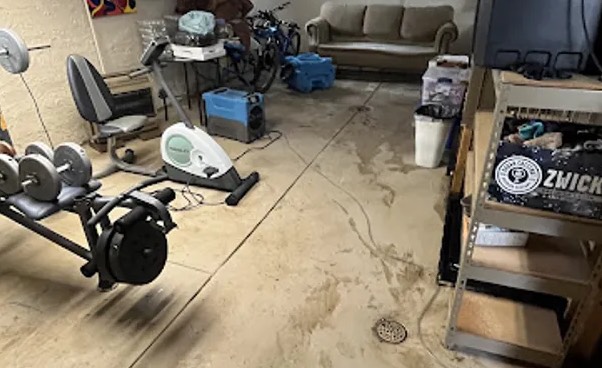
Industrial spaces often have large slabs, pits and equipment bases. Water is pumped from low points and dried with large dehumidifiers.
Indicators Your Business Needs Water Damage Restoration
Mold on Surfaces
Dark spots on walls, ceilings or stored boxes mean the area has been wet for days.
Buckled Hardwood or Laminate
Wood or laminate flooring that buckles or cups in a lobby or office has water underneath.
Swollen or Warped Drywall
Drywall that swells, bows or softens at the base has absorbed water from the floor or a leak.
Stained Drop Ceiling Tiles
Drop ceiling tiles that sag, stain or crumble have soaked up water from above.
How Commercial Water Damage Services Work in Columbia
Step 1: Source Stopping and Damage Containment
The leak or backup is stopped, and contaminated areas are sealed off from the rest of the building.
Step 2: Retail Store Water Removal Process
Water is removed from sales floors and stockrooms, and wet merchandise is separated.
Step 3: Commercial Ceiling Water Damage Mitigation
Ceilings are drained or tiles removed, and the space above is dried.
Step 4: Post-Restoration Evaluation
Final readings and a walk-through confirm the space is ready to reopen.
Typical Water Damage Triggers in Commercial Properties
HVAC System Condensation
Rooftop and ceiling HVAC units overflow when condensate drains clog, soaking tiles below.
Window or Door Seal Failures
Worn seals around storefront glass and doors let rain into sales floors and lobbies.
Sewer Line Backups
A blocked sewer line can back up through restroom and floor drains on the lowest level.
Burst or Leaking Pipes
Supply lines, risers and drain pipes in commercial buildings can burst and flood several floors.
Commercial Water Damage Services for Columbia Businesses
Residential Water Damage Services
A house usually has one owner and one insurance policy. Drying and repairs follow a simple path once the source is fixed.
Commercial Water Damage Services
Multi-tenant buildings may involve the owner, several tenants and several insurers. Each suite is documented separately so claims can be sorted out.
Commercial Water Damage: DIY or Professional Help?
Box fans can spread moisture and dust through a business. Professional drying uses dehumidifiers and moisture readings to dry the whole space evenly and without guesswork.
Factors Affecting Commercial Water Damage Services Cost
In Columbia, large open spaces need more equipment, but early extraction usually shortens drying and limits business downtime for the owner.
Water Damage Category
Clean water costs less to handle than gray or black water, which needs cleaning and more removal.
Content Restoration
Separating, drying and documenting stock and contents adds labor to the job.
Material Type and Damage
Carpet tiles, drywall, ceiling tiles and wood each take different work to dry or replace.
Does Insurance Cover Commercial Water Damage Services?
Coverage for commercial water damage services depends on the cause and your policies. The pros document the damage and drying, and your insurers decide what is covered.
The Value of Professional Commercial Water Damage Services
Structural Drying Expertise
Walls, slabs and ceiling cavities are dried, not just the surfaces customers see.
Industry Drying Standards
Drying follows industry water damage standards, with moisture readings taken at every visit.
Clear Communication Process
Owners and managers get plain updates on progress, closed areas and expected reopening.
After-Hours Commercial Water Damage Services Available
The faster water is removed, the sooner your doors reopen. Call (803) 941-5983 for commercial water damage services in Columbia as soon as you find the water.
Call Now (803) 941-5983Commercial Water Damage Services Available Throughout the Region
Commercial water damage cleanup also covers businesses in Olympia, West Columbia and Forest Acres, close to Columbia, day or night.
Your Commercial Water Damage Services Questions, Answered
What methods are used for warehouse water extraction in large facilities?
Pumps and high-capacity extractors for the slab, plus large dehumidifiers and many air movers for drying.
What equipment is used for retail store water damage?
Extractors, air movers, dehumidifiers and moisture meters, sized to dry sales floors and stockrooms quickly.
What are the risks of delayed commercial flood cleanup?
Longer closures, more damaged stock and materials, odors and a higher risk of microbial growth.
How long does commercial carpet drying take?
Often a few days, depending on how wet the carpet and slab are and how quickly the water was extracted.
Is industrial water damage repair different from other types?
It often involves large slabs, pits and equipment, so water is pumped from low points and equipment is checked by the owner.