Little Mountain, SC · Newberry County
Ceiling Water Extraction in Little Mountain, SCCeiling Moisture Inspection & Emergency Ceiling Water Extraction
Homeowners in Little Mountain get Ceiling Water Extraction for ceiling leak water cleanup, wet ceiling drywall removal and roof leak water removal.
Answered 24/7
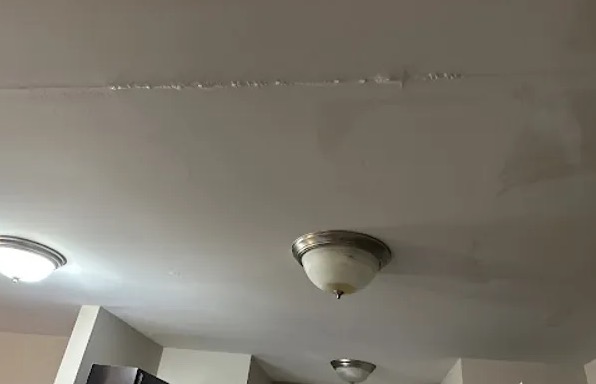
Ceiling Water Extraction Solutions in Little Mountain, Newberry County
Wet insulation is the hidden part of most ceiling leaks in Little Mountain. It soaks up water and holds it against the drywall, keeping the ceiling wet long after the leak stops.
Homes and businesses in Little Mountain and nearby Chapin, Pomaria and Peak see ceiling leaks from roofs, attic AC units and upstairs plumbing. Help with ceiling water extraction covers draining, extraction, cavity drying and repair.
The Ceiling Water Extraction Process in Little Mountain
Ceiling Moisture Inspection
Readings are recorded at the start and during drying, giving you and your insurer a clear record.
Emergency Ceiling Water Extraction
Help is available any hour for a dripping or bulging ceiling. The room is cleared first, then the water is drained and the floor below is extracted.
Ceiling Water Damage Repair
Texture is matched to the existing ceiling, and the pros explain how close the match will be.
Ceiling Cavity Drying Services
Air movers and dehumidifiers dry the joists, insulation and back of the drywall through the opening or small access holes.
Roof Leak Water Removal
Water from a roof leak often spreads along rafters and pools on the ceiling some distance from the entry point. It is extracted wherever it collected.
Warning Signs You Need Ceiling Water Extraction
Wet Spots or Dampness to Touch
Ceiling spots that feel damp or cool to the touch are holding water inside or above them.
Musty Odors in the Room
A musty smell in a room often comes from wet insulation or framing above the ceiling.
Peeling Paint or Bubbling Texture
Paint that bubbles or texture that loosens on the ceiling usually has water behind it.
Visible Mold on Ceiling
Dark spots on the ceiling mean the drywall has stayed wet for days.
How Ceiling Water Extraction Works in Little Mountain
Step 1: Emergency Assessment and Containment
The room is cleared, floors are covered and power to wet light fixtures is turned off.
Step 2: Water Extraction From Ceiling
Trapped water is drained through a controlled opening and the floor below is extracted.
Step 3: Ceiling Cavity Drying
Air movers and dehumidifiers dry the joists and insulation above the ceiling, with readings daily.
Step 4: Verification and Moisture Mapping
Final readings across the ceiling confirm it is dry before repairs begin.
Sources of Water Requiring Ceiling Water Extraction in Little Mountain
Condensation From HVAC Systems
Attic air handlers overflow when the condensate line clogs or the drain pan cracks.
Natural Flooding Events
Severe flooding can push water into multi-level homes and soak ceilings on lower floors.
Failed Bathroom Waterproofing
Cracked grout, failed shower pans and worn wax rings let bathroom water into the floor below.
Window or Skylight Seal Failure
Worn seals around skylights and windows let rain into the ceiling during storms.
Ceiling Water Extraction for Homes and Businesses in Little Mountain
Residential Ceiling Water Extraction
Families can usually stay home during ceiling drying, using other rooms while the affected room is closed off.
Commercial Ceiling Water Extraction
In medical offices and restaurants, ceiling work is contained so dust and debris stay away from patients, food and customers.
Professional Ceiling Water Extraction or DIY in Little Mountain?
A fan in the room below cannot dry the insulation and joists above the ceiling. Professional drying works on the cavity itself and confirms it with readings.
What Influences Ceiling Water Extraction Pricing in Little Mountain
The pros map the wet area before pricing ceiling water extraction in Little Mountain, then explain what will be drained, removed and dried.
Moisture Inspection Complexity
Leaks that travel far before dripping take more inspection to trace and map.
Necessary Repair Work
Replacing, taping, texturing and painting drywall after drying adds to the cost.
Required Drying Time
Ceiling cavities that need several days of drying add equipment time to the total.
Does Insurance Cover Ceiling Water Extraction?
The ceiling repair may be covered even when the roof or pipe repair is not. Ask your adjuster how your policy treats each part.
Why Choose Local Pros for Ceiling Water Extraction in Little Mountain
Cavity Drying
The space above the ceiling is dried directly, not just the room below it.
Mold Inhibitor Application
Joists and drywall that stayed wet can be treated with an antimicrobial once they are dry.
Damage Documentation
Photos, readings and drying logs are kept to support your insurance claim.
Round-the-Clock Emergency Ceiling Water Extraction in Little Mountain
The sooner water is drained from a ceiling, the less drywall must be replaced. Call (803) 941-5983 for ceiling water extraction in Little Mountain right away.
Call Now (803) 941-5983Locations for Ceiling Water Extraction Near Little Mountain
Ceiling water extraction and cavity drying also cover homes and businesses in Chapin, Pomaria and Peak, close to Little Mountain.
- Ceiling Water Extraction in Chapin
- Ceiling Water Extraction in Pomaria
- Ceiling Water Extraction in Peak
- Ceiling Water Extraction in Prosperity
- Ceiling Water Extraction in Jenkinsville
- Ceiling Water Extraction in Irmo
- Ceiling Water Extraction in Newberry
- Ceiling Water Extraction in Gilbert
- Emergency Damage Restoration in 29075
- Storm Damage Restoration in 29075
- Water Damage Restoration in 29075
- Water Extraction Service in 29075
- Water Leak Detection in 29075
- Water Removal Service in 29075
Frequently Asked Questions About Ceiling Water Extraction
Can wet ceiling drywall be saved, or must it be removed?
Firm, lightly damp drywall can often be dried in place. Soft, sagging or soaked drywall is removed.
How do professionals handle roof leak water removal?
Water is drained from the ceiling, a tarp can cover the roof damage, and the attic and ceiling cavity are dried.
Why is a ceiling moisture inspection important?
Water spreads across the top of the drywall beyond the stain. Readings show the full wet area so none is missed.
What equipment is used for water extraction from a ceiling?
Buckets and wet vacs for draining, extractors for the floor, air movers, dehumidifiers, meters and thermal cameras.
How does ceiling mold prevention work after water extraction?
Fast drying is the main step. Joists and drywall that stayed wet can be treated with an antimicrobial once dry.