Lancaster, SC · Lancaster County
Ceiling Water Extraction in Lancaster, SCCeiling Water Damage Repair & Ceiling Mold Prevention Services
Ceiling Water Extraction in Lancaster runs from ceiling moisture inspection and emergency ceiling water extraction to ceiling water damage repair.
Answered 24/7
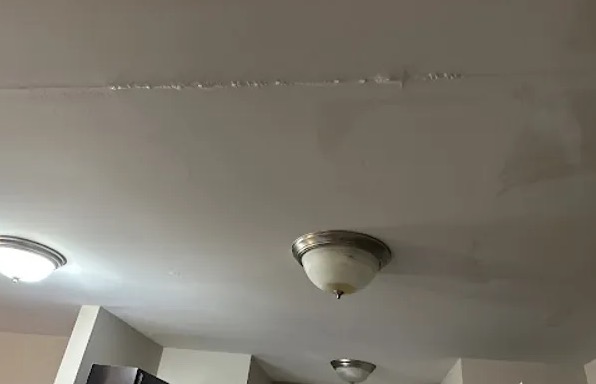
Reliable Ceiling Water Extraction for Lancaster Residents
Water above a ceiling has two ways out: through the drywall, slowly, or all at once when the ceiling fails. In Lancaster, getting it out in a controlled way is the first job after any roof, plumbing or appliance leak overhead.
A roof leak in Lancaster can load a ceiling with water in one storm. Local moisture removal specialists serve Lancaster and nearby Fort Lawn, Heath Springs and Great Falls, with help available around the clock.
The Ceiling Water Extraction Process in Lancaster
Ceiling Water Damage Repair
Once the cavity is dry, new drywall is installed, taped and finished, and the ceiling is primed and painted to blend in.
Ceiling Mold Prevention Services
Drying the cavity quickly is the main way to limit microbial growth above a ceiling. Joists that stayed wet can be treated once dry.
Ceiling Leak Water Cleanup
Water, wet insulation and debris are cleared from above the ceiling and from the floor and furniture in the room below.
Ceiling Moisture Inspection
An inspection shows how far water spread across the ceiling, which decides what is drained, dried or removed.
Roof Leak Water Removal
The roof entry point is marked and photographed so the roofer can find it after the storm.
Warning Signs You Need Ceiling Water Extraction
Bulging or Sagging Ceiling Drywall
A ceiling that bulges or droops is full of water and can fall. Keep everyone out from under it.
Stains Around Light Fixtures
Stains around light fixtures and vents mean water is following wiring or ductwork down.
Crumbling or Soft Drywall
Ceiling drywall that crumbles or feels soft has lost its strength and needs to be removed.
Water Pooling on the Floor
Water pooling on the floor below the ceiling needs extraction to protect flooring and furniture.
How Ceiling Water Extraction Works in Lancaster
Step 1: Emergency Assessment and Containment
The room is cleared, floors are covered and power to wet light fixtures is turned off.
Step 2: Water Extraction From Ceiling
Trapped water is drained through a controlled opening and the floor below is extracted.
Step 3: Ceiling Cavity Drying
Air movers and dehumidifiers dry the joists and insulation above the ceiling, with readings daily.
Step 4: Verification and Moisture Mapping
Final readings across the ceiling confirm it is dry before repairs begin.
Sources of Water Requiring Ceiling Water Extraction in Lancaster
Plumbing Leaks in Upstairs Lines
Leaking supply and drain lines on the floor above soak through to the ceiling beneath.
Clogged or Damaged Gutters
Clogged gutters overflow at the roof edge and push water into soffits and ceilings.
Failed Bathroom Waterproofing
Cracked grout, failed shower pans and worn wax rings let bathroom water into the floor below.
Roof Leaks From Storm Damage
Storm damage to shingles and flashing lets rain into the attic and onto the ceiling below.
Residential and Commercial Ceiling Water Extraction in Lancaster
Residential Ceiling Water Extraction
Families can usually stay home during ceiling drying, using other rooms while the affected room is closed off.
Commercial Ceiling Water Extraction
In medical offices and restaurants, ceiling work is contained so dust and debris stay away from patients, food and customers.
When DIY Fails for Ceiling Water Extraction in Lancaster
If water is dripping from a light fixture, turn off that circuit at the panel and do not use the light. Then call (803) 941-5983 for help.
Ceiling Water Extraction Cost in Lancaster, SC
In Lancaster, a ceiling drained before it sags usually costs much less to repair than one that fell into the room.
Moisture Inspection Complexity
Leaks that travel far before dripping take more inspection to trace and map.
Ceiling Height and Accessibility
High, vaulted or stairwell ceilings need ladders or lifts, which adds time and equipment.
Type of Water Involved
Clean water from a pipe is simpler to handle than water from a drain or roof debris.
Does Insurance Cover Ceiling Water Extraction?
Photos, moisture readings and drying logs from local moisture removal specialists help support an insurance claim for ceiling water damage in Lancaster.
Reasons to Hire Local Pros for Ceiling Water Extraction in Lancaster
Industry Extraction Standards
Draining and drying follow industry water damage standards, with readings at every visit.
Drying Verification
Final readings confirm the cavity is dry before any patching or painting begins.
Ceiling Leak Cleanup
Fallen drywall, wet insulation and debris are removed from above and below the ceiling.
24/7 Emergency Ceiling Water Extraction in Lancaster
The sooner water is drained from a ceiling, the less drywall must be replaced. Call (803) 941-5983 for ceiling water extraction in Lancaster right away.
Call Now (803) 941-5983Ceiling Water Extraction in Lancaster and Other Areas Served
Other places served are listed below, each with its own page.
- Ceiling Water Extraction in Fort Lawn
- Ceiling Water Extraction in Heath Springs
- Ceiling Water Extraction in Great Falls
- Ceiling Water Extraction in Richburg
- Ceiling Water Extraction in Kershaw
- Ceiling Water Extraction in Chester
- Ceiling Water Extraction in Bethune
- Ceiling Water Extraction in Ridgeway
- Emergency Damage Restoration in 29720
- Storm Damage Restoration in 29720
- Water Damage Restoration in 29720
- Water Extraction Service in 29720
- Water Leak Detection in 29720
- Water Removal Service in 29720
- Emergency Damage Restoration in 29721
- Storm Damage Restoration in 29721
FAQs on Ceiling Water Extraction in Lancaster
What are ceiling cavity drying services?
Drying the joists, insulation and back of the drywall above the ceiling with air movers and dehumidifiers.
What causes a ceiling to need water damage repair?
Roof leaks, plumbing leaks above, attic AC overflows, bathroom leaks and failed skylight or window seals.
Can wet ceiling drywall be saved, or must it be removed?
Firm, lightly damp drywall can often be dried in place. Soft, sagging or soaked drywall is removed.
How does ceiling mold prevention work after water extraction?
Fast drying is the main step. Joists and drywall that stayed wet can be treated with an antimicrobial once dry.
What equipment is used for water extraction from a ceiling?
Buckets and wet vacs for draining, extractors for the floor, air movers, dehumidifiers, meters and thermal cameras.