West Columbia, SC · Lexington County
Basement Water Removal in West Columbia, SCBasement Wall Drying & Basement Dehumidification
After a burst pipe or storm, Basement Water Removal in West Columbia means basement water pump out, basement wall drying and basement drying services.
Answered 24/7
Professional Basement Water Removal in West Columbia, SC
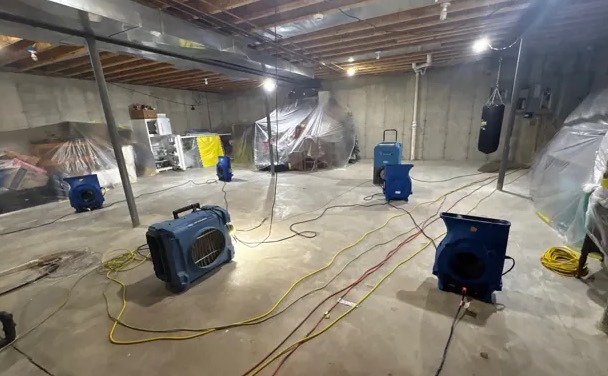
Dehumidification is the slow but necessary part of basement water removal in West Columbia. Pumps remove standing water quickly, but walls and concrete keep releasing moisture for days.
In West Columbia, when a basement or below-grade room takes on water, it usually follows heavy rain, a sewer backup or a burst pipe. Local water damage pros serve West Columbia, Cayce, Olympia and Arthurtown, pumping water out and drying the space.
The Basement Water Removal Process in West Columbia
Basement Wall Drying
Basement walls are checked with moisture meters. Wet drywall is cut back above the water line, and insulation behind it is removed.
Basement Dehumidification
Large dehumidifiers pull moisture from basement air, which lets walls, framing and the slab release the water they absorbed.
Emergency Basement Flooding
Emergency response starts with making power safe, stopping the source if possible and pumping out the water.
Sump Pump Failure Water Cleanup
Cleanup after a sump failure includes drying the area around the pit and noting whether the pump, switch or power was the cause.
Basement Floor Water Damage
Water on a basement floor soaks into carpet pad, laminate seams and the concrete itself. Floor coverings are lifted where needed so the slab can dry.
When to Call for Basement Water Removal in West Columbia
Musty Odors and Mold Smell
A musty or damp smell in the basement points to wet materials hidden somewhere in the space.
Warped or Buckling Flooring
Flooring that buckles, lifts or feels spongy has water trapped between it and the slab.
Sump Pump Failure or Overflow
A sump pit that is full, overflowing or has a pump that will not start means water is about to spread.
Water Stains on Walls or Ceiling
Stains on lower walls or the ceiling below a bathroom or kitchen point to a leak.
How Basement Water Removal Works in West Columbia
Step 1: Safety Assessment and Pump Out
Electrical hazards are checked, then deep water is pumped outside away from the foundation.
Step 2: Content Removal and Damage Documentation
Wet belongings are moved, and photos record the water level and damaged materials.
Step 3: Targeted Water Removal and Drying
Carpet is extracted, wet drywall is cut back and air is aimed at walls and the slab.
Step 4: Sanitization and Moisture Control
Surfaces touched by dirty water are disinfected, and dehumidifiers keep humidity low.
What Causes Water Damage in Basements
High Water Table and Hydrostatic Pressure
A high water table presses groundwater against the slab and walls, forcing it inside.
Window Well Leaks and Drainage
Window wells without drains or covers fill with rain and leak through the windows.
Sump Pump Malfunction or Power Loss
A sump pump that fails mechanically or loses power during a storm lets groundwater rise.
Sewer Line Backups and Blockages
A blocked sewer line can push wastewater up through basement floor drains and toilets.
Residential and Commercial Basement Water Removal in West Columbia
Residential Basement Water Removal
Finished basements used as bedrooms or family rooms need careful moisture checks behind walls and under flooring, since that is where water hides.
Commercial Basement Water Removal
Businesses with below-grade storage need wet inventory moved out and documented. Drying is planned around daily operations wherever possible.
Why DIY Basement Water Removal Often Fails in West Columbia
Do not step into basement water if cords, outlets or appliances are in it. Shut off power at the panel only if you can reach it from a dry spot, then call (803) 941-5983.
What Influences the Price of Basement Water Removal
Sewage cleanup, finished walls, after-hours calls and damaged appliances all add to the total for basement water removal in West Columbia.
Access and Complexity
Narrow stairs, low ceilings and crowded storage areas make the work slower and longer.
Water Depth and Volume
Deeper water takes more pumping time and usually means more materials got wet.
Drying Time Required
Basements dry slowly, and each extra day of equipment adds to the total.
Does Insurance Cover Basement Water Removal?
Many homeowner policies cover sudden basement water from a burst pipe but not groundwater seepage. Sewer backup coverage is often an add-on, so check yours.
Why Choose Local Pros for Basement Water Removal in West Columbia
Focus on Drying Outcomes
Drying continues until readings are normal, not just until surfaces look dry.
Moisture Inspection
Meters and thermal cameras find water in walls, floors and slab that looks dry.
Contamination Safety Protocols
Sewage and dirty water are handled with protective gear, containment and disinfection.
24/7 Emergency Basement Water Removal in West Columbia
Water still rising in the basement? Call (803) 941-5983 now for basement water removal in West Columbia before the water reaches finished rooms and stored belongings.
Call Now (803) 941-5983Local Basement Water Removal Coverage for Cayce, Olympia and Arthurtown
Nearby areas served for basement water removal include Cayce, Olympia and Arthurtown, with the same pumping and drying steps used in West Columbia.
- Basement Water Removal in Cayce
- Basement Water Removal in Olympia
- Basement Water Removal in Arthurtown
- Basement Water Removal in St. Andrews
- Basement Water Removal in Oak Grove
- Basement Water Removal in Lexington
- Basement Water Removal in Red Bank
- Basement Water Removal in Seven Oaks
- Emergency Damage Restoration in 29169
- Storm Damage Restoration in 29169
- Water Damage Restoration in 29169
- Water Extraction Service in 29169
- Water Leak Detection in 29169
- Water Removal Service in 29169
- Emergency Damage Restoration in 29170
- Storm Damage Restoration in 29170
Basement Water Removal in West Columbia: Your Questions
What is the difference between a pump out and extraction?
A pump out removes deep standing water. Extraction pulls the remaining water from carpet, pad and floors.
How is contaminated water handled in a basement?
With protective gear, containment, removal of porous materials and disinfection of hard surfaces before drying.
Can I dry my basement myself with fans?
Fans help with surface water, but walls and concrete need dehumidifiers and readings to dry fully.
Can wet drywall in a basement be saved?
Sometimes, if the water was clean and removed quickly. Soaked or contaminated drywall is cut out above the water line.
Does basement flood cleanup include mold prevention?
Fast drying is the main prevention. Wood and concrete that stayed wet can be treated with an antimicrobial once dry.