Little Mountain, SC · Newberry County
Basement Water Removal in Little Mountain, SCBasement Moisture Inspection & Emergency Basement Flooding
Basement Water Removal in Little Mountain runs from basement water pump out and basement drying services to basement dehumidification.
Answered 24/7
Professional Basement Water Removal in Little Mountain, SC
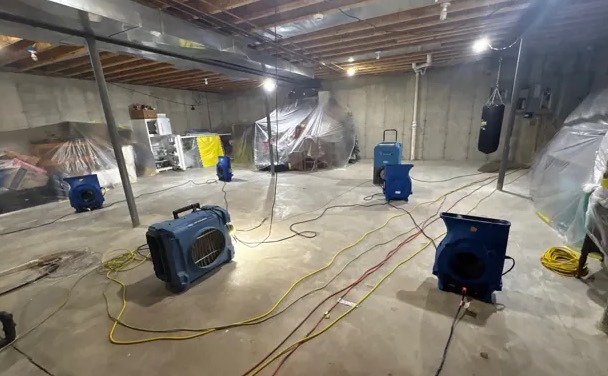
Dehumidification is the slow but necessary part of basement water removal in Little Mountain. Pumps remove standing water quickly, but walls and concrete keep releasing moisture for days.
In Little Mountain, when a basement or below-grade room takes on water, it usually follows heavy rain, a sewer backup or a burst pipe. Local basement drying experts serve Little Mountain, Chapin, Pomaria and Peak, pumping water out and drying the space.
Comprehensive Basement Water Removal Solutions
Basement Moisture Inspection
An inspection shows how high water wicked up the walls and how far it spread under flooring, which sets the drying plan.
Emergency Basement Flooding
Help is available any hour when water is rising in the basement from a storm, a sewer backup or a burst pipe.
Basement Wall Drying
Concrete and block walls dry with directed airflow and dehumidification, which pull water out of the masonry.
Basement Drying Services
Equipment stays until the basement reads dry, not just until it looks dry. Removing it early lets dampness return.
Basement Floor Water Damage
Concrete floors are squeegeed, extracted and dried with airflow and dehumidifiers until moisture readings drop.
Indicators You Need Professional Water Removal
Musty Odors and Mold Smell
A musty or damp smell in the basement points to wet materials hidden somewhere in the space.
Soggy or Wet Carpeting
Carpet that feels damp or smells sour is holding water in the pad against the concrete.
Efflorescence on Concrete Walls
White, powdery deposits on concrete walls mean water is passing through the masonry.
Gurgling Sounds From Drains
Gurgling floor drains or slow drains can be an early sign of a sewer line problem.
How Basement Water Removal Works in Little Mountain
Step 1: Source Control and Water Pump Out
The leak is shut off and standing water is pumped out, starting at the lowest point.
Step 2: Water Extraction
Extractors pull water from carpet, pad and concrete, and wet vacs clear corners and stairs.
Step 3: Dehumidification and Drying
Large dehumidifiers and air movers dry walls, framing and slab over several days.
Step 4: Inspection and Clearance for Repair
Final readings confirm the basement is dry and ready for drywall and flooring repairs.
Sources of Basement Water Problems
Plumbing Leaks or Pipe Bursts
Supply lines, drain pipes and water heaters in the basement can leak or burst onto the floor.
Window Well Leaks and Drainage
Window wells without drains or covers fill with rain and leak through the windows.
Foundation Cracks and Seepage
Cracks in foundation walls and the slab let groundwater seep in during wet weather.
Appliance Malfunctions and Overflows
Washers, utility sinks and water softeners in the basement can overflow or leak.
Professional Basement Water Removal for All Properties
Residential Basement Water Removal
Finished basements used as bedrooms or family rooms need careful moisture checks behind walls and under flooring, since that is where water hides.
Commercial Basement Water Removal
Businesses with below-grade storage need wet inventory moved out and documented. Drying is planned around daily operations wherever possible.
When to Hire Local Pros for Basement Water Removal
Fans by themselves can spread damp basement air through the rest of the house. Basement drying needs dehumidifiers that pull moisture out of both the air and the concrete.
What Influences the Price of Basement Water Removal
The pros look at water depth, water type and basement finishes before pricing basement water removal in Little Mountain, then explain the scope.
Contamination Level
Sewage or dirty water needs protective gear, removal and disinfection, which costs more.
Affected Materials
Finished walls, carpet and laminate take more removal work than bare concrete.
Additional Services
Antimicrobial treatment, contents cleaning and repairs after drying add to the cost.
Does Insurance Cover Basement Water Removal?
Coverage for basement water removal depends on the water source and your policy. The pros document the damage and drying, and your insurer decides what is covered.
The Value of Professional Basement Water Removal
Clear Communication
You get plain updates on what was found, what was removed and how drying is going.
Methodical Water Removal Process
Water is removed in a set order: pump-out, extraction, removal of soaked materials, then drying.
Focus on Drying Outcomes
Drying continues until readings are normal, not just until surfaces look dry.
24/7 Emergency Basement Water Removal in Little Mountain
Standing water in a basement soaks walls and floors by the hour. Call (803) 941-5983 for basement water removal in Little Mountain at any time, day or night.
Call Now (803) 941-5983Local Basement Water Removal Coverage for Chapin, Pomaria and Peak
Help with basement water removal is also available in communities near Little Mountain, including Chapin, Pomaria and Peak, for flooded basements and sewer backups.
- Basement Water Removal in Chapin
- Basement Water Removal in Pomaria
- Basement Water Removal in Peak
- Basement Water Removal in Prosperity
- Basement Water Removal in Jenkinsville
- Basement Water Removal in Irmo
- Basement Water Removal in Newberry
- Basement Water Removal in Gilbert
- Emergency Damage Restoration in 29075
- Storm Damage Restoration in 29075
- Water Damage Restoration in 29075
- Water Extraction Service in 29075
- Water Leak Detection in 29075
- Water Removal Service in 29075
Basement Water Removal FAQs
What is involved in basement water removal?
Making power safe, pumping out standing water, extracting floors and carpet, removing soaked materials and dehumidifying until dry.
How does a basement moisture inspection work?
Moisture meters and thermal cameras check walls, floors and the slab, including behind finished walls and under flooring.
What causes basement floor water damage?
Storm seepage, burst pipes, appliance leaks, foundation cracks and sewer backups through floor drains are the usual sources.
Can wet drywall in a basement be saved?
Sometimes, if the water was clean and removed quickly. Soaked or contaminated drywall is cut out above the water line.
What equipment is used for basement water extraction?
Submersible pumps, extractors, wet vacs, air movers, large dehumidifiers and moisture meters to confirm drying.