Kinards, SC · Laurens County
Basement Water Removal in Kinards, SCBasement Water Pump Out & Emergency Basement Flooding
After a burst pipe or storm, Basement Water Removal in Kinards means basement water pump out, basement wall drying and basement drying services.
Answered 24/7
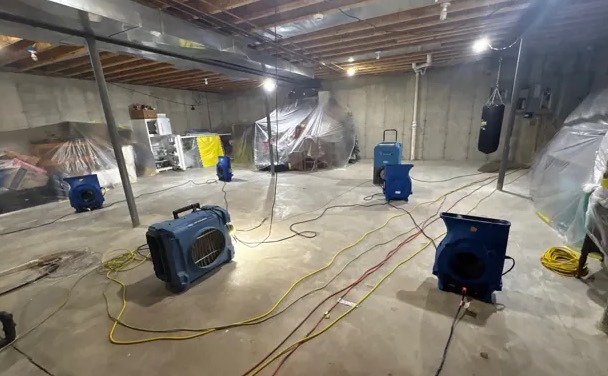
Expert Basement Water Removal in Kinards, Joanna, Clinton and Mountville
In Kinards, a finished basement or lower level takes more work after a flood. Carpet, pad, laminate, drywall and insulation all trap water against the concrete and framing.
Homes in Kinards and nearby Joanna, Clinton and Mountville with basements face storm seepage, sewer backups and plumbing leaks. Help with basement water removal covers pump-out, wall and floor drying and dehumidification.
Specialized Basement Water Removal for Kinards
Basement Water Pump Out
When water is more than an inch or two deep, pumps move it far faster than wet vacs, which limits how long walls sit in water.
Emergency Basement Flooding
A flooded basement threatens the furnace, water heater and anything stored on the floor. Fast pumping protects what can still be saved.
Sump Pump Failure Water Cleanup
When a sump pump stops, groundwater spreads across the floor. The water is pumped out and the floor and lower walls are extracted.
Basement Drying Services
Drying plans for basements account for cool air and thick concrete, which hold moisture longer than upper floors.
Basement Wall Drying
Opening the bottom of finished walls lets air reach the studs and sill plate, which otherwise stay wet behind the drywall.
Signs of Basement Water Damage in Kinards
Musty Odors and Mold Smell
A musty or damp smell in the basement points to wet materials hidden somewhere in the space.
Mold or Mildew
Dark spots on drywall, framing or stored items mean the area has stayed wet for days.
Standing Water in Basement
Standing water anywhere on the basement floor needs to be pumped out before it soaks the walls.
High Humidity and Condensation
Water on pipes and windows, or a constantly clammy feel, means basement humidity is too high.
How Basement Water Removal Works in Kinards
Step 1: Safety Assessment and Pump Out
Electrical hazards are checked, then deep water is pumped outside away from the foundation.
Step 2: Content Removal and Damage Documentation
Wet belongings are moved, and photos record the water level and damaged materials.
Step 3: Targeted Water Removal and Drying
Carpet is extracted, wet drywall is cut back and air is aimed at walls and the slab.
Step 4: Sanitization and Moisture Control
Surfaces touched by dirty water are disinfected, and dehumidifiers keep humidity low.
What Causes Water Damage in Basements
Sump Pump Malfunction or Power Loss
A sump pump that fails mechanically or loses power during a storm lets groundwater rise.
High Water Table and Hydrostatic Pressure
A high water table presses groundwater against the slab and walls, forcing it inside.
Foundation Cracks and Seepage
Cracks in foundation walls and the slab let groundwater seep in during wet weather.
Appliance Malfunctions and Overflows
Washers, utility sinks and water softeners in the basement can overflow or leak.
Both Residential & Commercial Basement Water Removal
Residential Basement Water Removal
Older homes with a basement may see seepage with every heavy storm. Water removal handles the current damage, and the entry point is noted for a waterproofing contractor.
Commercial Basement Water Removal
Multi-unit buildings with shared basements need each storage and laundry area pumped, dried and documented for the property manager.
Basement Water Removal vs. DIY: When to Call the Pros
A small puddle on bare concrete can be handled with a wet vac, towels and a dehumidifier. Call local basement water removal pros if water reached carpet, drywall or framing, or covers much of the floor.
What Influences the Price of Basement Water Removal
Sewage cleanup, finished walls, after-hours calls and damaged appliances all add to the total for basement water removal in Kinards.
Time of Service
Night, weekend and storm calls can cost more than a scheduled weekday visit.
Drying Time Required
Basements dry slowly, and each extra day of equipment adds to the total.
Affected Materials
Finished walls, carpet and laminate take more removal work than bare concrete.
Does Insurance Cover Basement Water Removal?
Many homeowner policies cover sudden basement water from a burst pipe but not groundwater seepage. Sewer backup coverage is often an add-on, so check yours.
Why Choose Local Pros for Basement Water Removal in Kinards
Advanced Drying Equipment
Pumps, extractors and large dehumidifiers remove water much faster than household tools.
Focus on Drying Outcomes
Drying continues until readings are normal, not just until surfaces look dry.
Methodical Water Removal Process
Water is removed in a set order: pump-out, extraction, removal of soaked materials, then drying.
24/7 Basement Water Removal When You Need It
Basement taking on water in Kinards? Make power safe if you can, move what you can and call (803) 941-5983. Help is available 24/7.
Call Now (803) 941-5983Local Basement Water Removal Coverage for Joanna, Clinton and Mountville
Help with basement water removal is also available in communities near Kinards, including Joanna, Clinton and Mountville, for flooded basements and sewer backups.
- Basement Water Removal in Joanna
- Basement Water Removal in Clinton
- Basement Water Removal in Mountville
- Basement Water Removal in Newberry
- Basement Water Removal in Silverstreet
- Basement Water Removal in Whitmire
- Basement Water Removal in Cross Hill
- Basement Water Removal in Laurens
- Emergency Damage Restoration in 29355
- Storm Damage Restoration in 29355
- Water Damage Restoration in 29355
- Water Extraction Service in 29355
- Water Leak Detection in 29355
- Water Removal Service in 29355
Common Basement Water Removal Questions Answered
Why is basement dehumidification important after pumping?
Walls and concrete keep releasing moisture for days. Dehumidifiers remove it so the basement does not stay damp.
What is the difference between a pump out and extraction?
A pump out removes deep standing water. Extraction pulls the remaining water from carpet, pad and floors.
How long does basement drying take?
Often several days or longer, because concrete and cool basement air hold moisture. Daily readings show when it is done.
Why is fast water removal so important for basements?
Basements dry slowly, so every hour of standing water adds drying days and more materials to replace.
Does basement flood cleanup include mold prevention?
Fast drying is the main prevention. Wood and concrete that stayed wet can be treated with an antimicrobial once dry.