Red Bank, SC · Lexington County
Basement Water Damage Restoration in Red Bank, SCBasement Floor Water Removal & Basement Dehumidification
Basement Water Damage Restoration in Red Bank runs from basement water extraction and basement floor water removal to basement dehumidification.
Answered 24/7
Expert Basement Water Damage Restoration Serving Red Bank
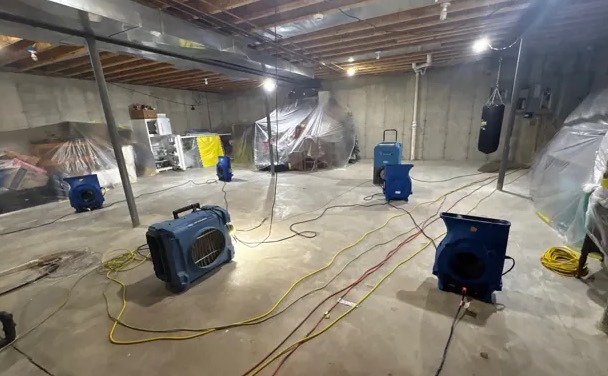
A basement dries slower than any other part of a house. The air is cool, there is little sunlight and the concrete holds moisture for a long time. In Red Bank, that makes extraction and steady dehumidification important.
In Red Bank, a home with a basement or below-grade room can flood after heavy rain or a blocked sewer line. Local restoration pros serve Red Bank, Lexington, Oak Grove and Gilbert, pumping out water and drying finished and unfinished spaces.
The Basement Water Damage Restoration Process in Red Bank
Basement Floor Water Removal
Water on a concrete floor is squeegeed and extracted, and floor coverings such as carpet, vinyl or laminate are lifted to dry the slab.
Basement Dehumidification
Large dehumidifiers pull moisture from the basement air so walls, framing and the slab can release their water.
Basement Wall Drying
Wet drywall is cut back above the water line when it is soaked, and the wall cavity and insulation behind it are dried or replaced.
Basement Sewer Backup Cleanup
Sewage that backs up through a floor drain or toilet is extracted with protective gear, and the area is contained from the rest of the house.
Basement Water Extraction
Extraction starts at the lowest point, often near the floor drain or sump, and works outward until no pooled water remains.
Warning Signs You Need Basement Water Damage Restoration
Condensation on Windows or Pipes
Water beading on cold pipes or basement windows shows high humidity that keeps materials damp.
Wet or Stained Basement Walls
Dark, wet patches or tide lines on basement walls show where water seeped in or wicked up.
Peeling Paint or Wallpaper
Paint that peels or blisters on basement walls often has moisture behind it.
Mold on Surfaces
Dark spots on drywall, framing or stored boxes mean the area has stayed wet for days.
How Basement Water Damage Restoration Works in Red Bank
Step 1: Water Removal
Pumps and extractors remove standing water from the basement floor, starting at the lowest point.
Step 2: Targeted Moisture Evaporation
Air movers are aimed at wet walls, framing and the slab to speed evaporation.
Step 3: Humidity Control
Large dehumidifiers pull moisture from the basement air, with readings checked every day.
Step 4: Final Verification and Restoration
Final readings confirm the basement is dry, and the space is ready for drywall and flooring repairs.
Frequent Sources of Water Damage in Red Bank
HVAC Condensate Line Overflow
A clogged furnace or air conditioner condensate line can overflow onto the floor of a basement or lower-level utility room.
Sewer Line Backups
A blocked or overloaded sewer line pushes wastewater up through basement drains and toilets.
Faulty Basement Waterproofing
Old or failed waterproofing on foundation walls lets water through during wet weather.
Window Well Flooding
Window wells without drains or covers fill with rain and leak through basement windows.
Both Residential & Commercial Basement Water Damage Restoration in Red Bank
Residential Basement Water Damage Restoration
Finished basements used as living space need carpet, pad and lower drywall checked carefully. Soaked materials are removed so the walls and slab can dry.
Commercial Basement Water Damage Restoration
Businesses with below-grade storage need inventory moved out of the water quickly. Wet stock is separated and documented for insurance.
Basement Water Damage Restoration: Professional Help vs. Doing It Yourself in Red Bank
Keeping gutters and downspouts clear and checking water heater and washer hoses are good DIY steps before storm season. Once water is on the floor, call (803) 941-5983.
Cost Considerations for Basement Water Damage Restoration in Red Bank
Sewage cleanup, finished walls, storm-night calls and damaged appliances all add to the total for basement water damage restoration in Red Bank.
Access Complexity
Narrow stairs, low ceilings and stored contents can make the work slower.
Emergency Service
Night, weekend and storm calls can cost more than a scheduled visit.
Water Category
Clean water costs less to handle than sewage, which needs protective gear, removal and disinfection.
Does Insurance Cover Basement Water Damage Restoration?
Photograph the water level, damaged belongings and appliances before cleanup starts, and keep receipts for emergency pumping and drying to send to your insurer.
Reasons to Hire Local Pros for Basement Water Damage Restoration in Red Bank
Water Type Handling
Clean water, gray water and sewage are each handled with the right protection and removal steps.
Detailed Documentation
Photos, readings and drying logs are kept to support your insurance claim.
Containment Strategies
Plastic sheeting keeps contaminated areas separate from clean parts of the house.
Red Bank Emergency Basement Water Damage Restoration Response
Storm night, weekend or holiday, local restoration pros handle flooded basements in Red Bank. Call (803) 941-5983 to get the pumps running and the water out.
Call Now (803) 941-5983Basement Water Damage Restoration Available Throughout Lexington County
Need basement water damage restoration outside Red Bank? Service also covers Lexington, Oak Grove and Gilbert, including emergency help during storms.
- Basement Water Damage Restoration in Lexington
- Basement Water Damage Restoration in Oak Grove
- Basement Water Damage Restoration in Gilbert
- Basement Water Damage Restoration in Cayce
- Basement Water Damage Restoration in Seven Oaks
- Basement Water Damage Restoration in West Columbia
- Basement Water Damage Restoration in Gaston
- Basement Water Damage Restoration in Pelion
Frequently Asked Questions About Basement Water Damage Restoration
What is involved in basement water damage restoration?
Pumping out water, removing soaked materials, cleaning contaminated areas, drying walls, framing and concrete, and dehumidifying until readings are normal.
What is the priority during emergency basement flood cleanup?
Safety first, especially electrical hazards, then stopping the source and pumping out the water as quickly as possible.
Why is dehumidification so important after basement water removal?
Basements hold moisture in the air and concrete. Without dehumidifiers, walls and framing stay damp long after the water is gone.
How is basement sewer backup cleanup different from regular flooding?
Sewage carries bacteria, so it needs protective gear, removal of porous materials and disinfection before drying.
How soon should I call for basement water extraction after a leak?
Right away. Water wicks up drywall and soaks framing within hours, and below-grade spaces are slow to dry.