North, SC · Orangeburg County
Basement Water Damage Restoration in North, SCBasement Mold Prevention & Basement Dehumidification
Basement Water Damage Restoration in North runs from basement water extraction and basement floor water removal to basement dehumidification.
Answered 24/7
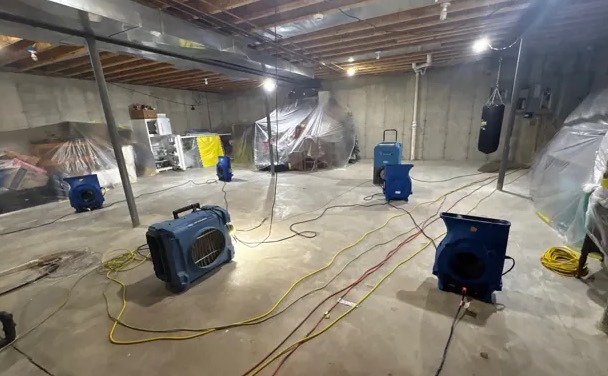
Basement Water Damage Restoration for North Homes
In a North home with a basement and a sump pump, a pump that fails during heavy rain lets water rise fast. Furnaces, water heaters, washers and stored belongings all sit at floor level and take the damage first.
Homes in North and nearby Neeses, Swansea and Norway with basements deal with seepage, plumbing leaks and sewer backups. Help with basement water damage restoration covers pumping, removal of wet materials and drying of walls and concrete.
The Basement Water Damage Restoration Process in North
Basement Mold Prevention
Fast extraction and drying are the main ways to limit microbial growth in a basement. Surfaces that stayed wet can be treated once dry.
Basement Dehumidification
Dehumidification continues until humidity and material readings are normal. Turning it off too early lets moisture return.
Basement Water Extraction
Submersible pumps remove deep standing water, then portable extractors pull water from carpet, pad and the concrete floor.
Basement Drying Services
Equipment is adjusted each day based on moisture readings until every material reaches its normal level.
Basement Sewer Backup Cleanup
Porous materials touched by sewage, such as carpet, pad and lower drywall, are removed. Concrete and framing are cleaned and disinfected.
When to Consider Basement Water Damage Restoration for Your North Home
Wet or Stained Basement Walls
Dark, wet patches or tide lines on basement walls show where water seeped in or wicked up.
Efflorescence on Concrete Walls
White, chalky deposits on concrete walls mean water is moving through the concrete and leaving minerals behind.
Rusted Appliances or Pipes
Rust on the water heater, furnace base or pipes points to repeated moisture or past flooding.
Sump Pump Failure or Overflow
A sump pump that runs constantly, fails to start or lets the pit overflow puts the basement at risk.
How Basement Water Damage Restoration Works in North
Step 1: Source Control and Extraction
The pipe is shut off, the sump restarted or the backup stopped, then the water is pumped out.
Step 2: Structural Drying Setup
Lower drywall is removed where soaked, and equipment is placed to dry wall cavities and the slab.
Step 3: Contaminant Removal
Materials touched by sewage or dirty water are removed and hard surfaces are cleaned and disinfected.
Step 4: Monitoring and Completion
Daily readings track drying until every material is normal, then equipment is removed.
Frequent Sources of Water Damage in North
HVAC Condensate Line Overflow
A clogged furnace or air conditioner condensate line can overflow onto the floor of a basement or lower-level utility room.
Faulty Basement Waterproofing
Old or failed waterproofing on foundation walls lets water through during wet weather.
High Water Table and Hydrostatic Pressure
A high water table pushes groundwater up through the slab and into the joints between wall and floor.
Plumbing Pipe Bursts or Leaks
Supply lines and drain pipes in basement ceilings can crack or burst onto the floor below.
Both Residential & Commercial Basement Water Damage Restoration in North
Residential Basement Water Damage Restoration
Finished basements used as living space need carpet, pad and lower drywall checked carefully. Soaked materials are removed so the walls and slab can dry.
Commercial Basement Water Damage Restoration
Businesses with below-grade storage need inventory moved out of the water quickly. Wet stock is separated and documented for insurance.
When to DIY and When to Call the Pros for Basement Water Damage Restoration
If a small leak left a puddle on bare concrete, a wet vac and a dehumidifier may be enough. Call local water removal pros if water reached drywall, carpet or framing, or if it came from a sewer drain.
Basement Water Damage Restoration Cost in North, SC
Before pricing basement water damage restoration in North, the pros check the water depth, the type of water and what the basement is finished with.
Secondary Damage
Damage to furnaces, water heaters and belongings adds repair and replacement costs.
Affected Square Footage
Larger basements need more extraction, more drying equipment and more days of drying time.
Drying Time Required
Basements dry slowly, and longer drying means more equipment days and monitoring visits.
Does Insurance Cover Basement Water Damage Restoration?
Photos, moisture readings and drying logs from local water removal pros help support an insurance claim for basement water damage in North.
Reasons to Hire Local Pros for Basement Water Damage Restoration in North
Containment Strategies
Plastic sheeting keeps contaminated areas separate from clean parts of the house.
24/7 Emergency Response
Help is available day or night when water is rising in the basement.
Industry Drying Standards
Drying follows industry water damage standards, with readings taken at every visit.
24/7 Emergency Basement Water Damage Restoration for North
A flooded basement damages walls, furnaces, water heaters and belongings quickly. Call (803) 941-5983 for basement water damage restoration in North at any hour.
Call Now (803) 941-5983Regions Served for Basement Water Damage Restoration Near North
Need basement water damage restoration outside North? Service also covers Neeses, Swansea and Norway, including emergency help during storms.
- Basement Water Damage Restoration in Neeses
- Basement Water Damage Restoration in Swansea
- Basement Water Damage Restoration in Norway
- Basement Water Damage Restoration in Pelion
- Basement Water Damage Restoration in Gaston
- Basement Water Damage Restoration in St. Matthews
- Basement Water Damage Restoration in Orangeburg
- Basement Water Damage Restoration in Wagener
- Emergency Damage Restoration in 29112
- Storm Damage Restoration in 29112
- Water Damage Restoration in 29112
- Water Extraction Service in 29112
- Water Leak Detection in 29112
- Water Removal Service in 29112
FAQ for Basement Water Damage Restoration in North
How long does below-grade drying take after a flood?
Often several days or longer, since concrete and cool basement air dry slowly. Daily readings show progress.
What is the purpose of basement wall drying?
To remove water from drywall, insulation, framing and concrete so the walls can be repaired without trapping moisture.
Does basement mold prevention need special steps after flooding?
Fast drying is the main step. Wood and concrete that stayed wet can be treated with an antimicrobial once dry.
What does below-grade moisture removal include beyond pumping?
Extracting carpet and pad, opening wet walls, running air movers and dehumidifiers, and checking readings until dry.
Why is quick action important for below-grade flood restoration?
Basements dry slowly, so every hour of standing water adds days of drying and more material to replace.