Monarch Mill, SC · Union County
Basement Water Damage Restoration in Monarch Mill, SCBasement Wall Drying & Basement Mold Prevention
Basement Water Damage Restoration in Monarch Mill includes emergency basement flood cleanup, basement sewer backup cleanup and basement wall drying.
Answered 24/7
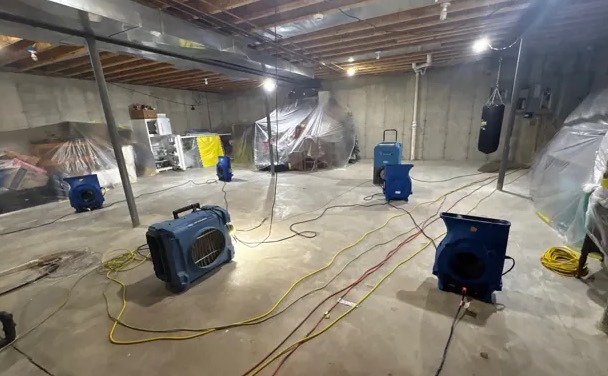
Basement Water Damage Restoration Solutions in Monarch Mill, South Carolina
Water in a basement does not stay on the floor. It wicks up drywall, soaks insulation and seeps into wood framing. In Monarch Mill, a few inches of water can damage walls up to two feet high.
Homes in Monarch Mill and nearby Union, Buffalo and Lockhart with basements deal with seepage, plumbing leaks and sewer backups. Help with basement water damage restoration covers pumping, removal of wet materials and drying of walls and concrete.
Basement Water Damage Restoration Services in Monarch Mill
Basement Wall Drying
Finished basement walls hide wet insulation and framing. Removing the bottom of the drywall lets air reach the cavity.
Basement Mold Prevention
Fast extraction and drying are the main ways to limit microbial growth in a basement. Surfaces that stayed wet can be treated once dry.
Basement Dehumidification
Large dehumidifiers pull moisture from the basement air so walls, framing and the slab can release their water.
Emergency Basement Flood Cleanup
Help is available any hour when water is rising in the basement from a burst pipe, a sewer backup or heavy rain.
Basement Floor Water Removal
Wet carpet pad is removed from basement floors, since it holds water against the concrete and dries poorly.
Signs of Basement Water Damage in Monarch Mill
Warped or Buckling Basement Floors
Laminate, wood or vinyl flooring that buckles or lifts in the basement has water underneath.
High Humidity Levels Below-Grade
A basement that stays damp and clammy even on dry days has a moisture source that needs attention.
Mold on Surfaces
Dark spots on drywall, framing or stored boxes mean the area has stayed wet for days.
Rusted Appliances or Pipes
Rust on the water heater, furnace base or pipes points to repeated moisture or past flooding.
How Basement Water Damage Restoration Works in Monarch Mill
Step 1: Initial Assessment and Water Removal
The source and type of water are identified, and standing water is removed right away.
Step 2: Focused Drying of Materials
Walls, framing and the slab are dried with directed airflow, with wet insulation removed.
Step 3: Air Quality Management
Air scrubbers filter dust and odors from removal work while drying continues.
Step 4: Documentation for Restoration
Photos, readings and a list of removed materials are prepared for insurance and rebuilding.
Typical Sources of Basement Water Damage in Monarch Mill
Sewer Line Backups
A blocked or overloaded sewer line pushes wastewater up through basement drains and toilets.
Window Well Flooding
Window wells without drains or covers fill with rain and leak through basement windows.
HVAC Condensate Line Overflow
A clogged furnace or air conditioner condensate line can overflow onto the floor of a basement or lower-level utility room.
Stormwater Runoff Into Lower Levels
Heavy rain running off hard ground or a sloped yard can pour down stairwells and under doors into below-grade rooms.
Residential and Commercial Basement Water Damage Restoration in Monarch Mill
Residential Basement Water Damage Restoration
Finished basements used as living space need carpet, pad and lower drywall checked carefully. Soaked materials are removed so the walls and slab can dry.
Commercial Basement Water Damage Restoration
Businesses with below-grade storage need inventory moved out of the water quickly. Wet stock is separated and documented for insurance.
DIY vs. Professional Basement Water Damage Restoration in Monarch Mill
You can move belongings off the floor and run a household dehumidifier. Drying soaked walls and slabs needs larger equipment and moisture readings to confirm the space is truly dry.
What Influences Basement Water Damage Restoration Cost in Monarch Mill
In Monarch Mill, basement jobs often run longer than upper-floor jobs because concrete dries slowly. Equipment days make up much of the bill.
Emergency Service
Night, weekend and storm calls can cost more than a scheduled visit.
Material Saturation
Finished basements with carpet, drywall and insulation take more removal work than bare concrete.
Access Complexity
Narrow stairs, low ceilings and stored contents can make the work slower.
Does Insurance Cover Basement Water Damage Restoration?
Photos, moisture readings and drying logs from local water removal pros help support an insurance claim for basement water damage in Monarch Mill.
Reasons to Hire Local Pros for Basement Water Damage Restoration in Monarch Mill
Industry Drying Standards
Drying follows industry water damage standards, with readings taken at every visit.
Mold Prevention Focus
Fast drying is the main way to limit microbial growth in a below-grade space.
Structural Integrity Assessment
Walls, stairs and framing are checked for damage before work begins in the basement.
24/7 Emergency Basement Water Damage Restoration for Monarch Mill
If water is near outlets or the electrical panel, do not walk into it. Call (803) 941-5983 for help in Monarch Mill and wait for the power to be made safe.
Call Now (803) 941-5983Regions Served for Basement Water Damage Restoration Near Monarch Mill
Help with basement water damage restoration is also available in communities near Monarch Mill, including Union, Buffalo and Lockhart, for flooded basements and sewer backups.
- Basement Water Damage Restoration in Union
- Basement Water Damage Restoration in Buffalo
- Basement Water Damage Restoration in Lockhart
- Basement Water Damage Restoration in Jonesville
- Basement Water Damage Restoration in Carlisle
- Basement Water Damage Restoration in Pacolet
- Basement Water Damage Restoration in Cross Anchor
- Basement Water Damage Restoration in Whitmire
FAQ for Basement Water Damage Restoration in Monarch Mill
Why is dehumidification so important after basement water removal?
Basements hold moisture in the air and concrete. Without dehumidifiers, walls and framing stay damp long after the water is gone.
What health risks come with delayed basement flood cleanup?
Standing water and wet materials can support bacteria and microbial growth, and sewage carries contaminants that need disinfection.
Does basement mold prevention need special steps after flooding?
Fast drying is the main step. Wood and concrete that stayed wet can be treated with an antimicrobial once dry.
How soon should I call for basement water extraction after a leak?
Right away. Water wicks up drywall and soaks framing within hours, and below-grade spaces are slow to dry.
What are signs of hidden moisture after below-grade water extraction?
Musty smells, tide lines on walls, damp carpet edges and moisture readings that stay high in walls or the slab.