Blythewood, SC · Richland County
Basement Water Damage Restoration in Blythewood, SCBasement Water Extraction & Basement Floor Water Removal
Get basement water damage restoration in Blythewood for basement floor water removal, basement mold prevention and basement drying services.
Answered 24/7
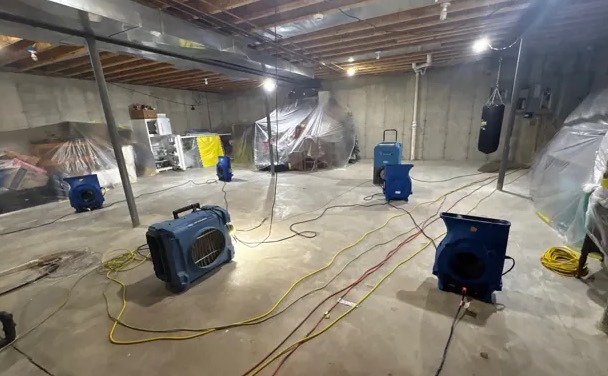
Expert Basement Water Damage Restoration Serving Blythewood
Water in a basement does not stay on the floor. It wicks up drywall, soaks insulation and seeps into wood framing. In Blythewood, a few inches of water can damage walls up to two feet high.
One burst pipe or heavy storm in Blythewood can flood a basement. Local water removal pros serve Blythewood and nearby Ridgeway, Dentsville and Elgin, with help available around the clock.
Professional Basement Water Damage Restoration Offered in Blythewood
Basement Water Extraction
Basement water is removed before drying starts, because every gallon left behind keeps the walls and air damp.
Basement Floor Water Removal
Wet carpet pad is removed from basement floors, since it holds water against the concrete and dries poorly.
Basement Sewer Backup Cleanup
Sewage that backs up through a floor drain or toilet is extracted with protective gear, and the area is contained from the rest of the house.
Basement Mold Prevention
After drying, an antimicrobial can be applied to framing and concrete that were wet, to slow mold on surfaces that stay in place.
Basement Wall Drying
Concrete and block walls are dried with directed airflow and dehumidifiers, and checked with meters until readings drop.
Warning Signs You Need Basement Water Damage Restoration
Wet or Stained Basement Walls
Dark, wet patches or tide lines on basement walls show where water seeped in or wicked up.
Efflorescence on Concrete Walls
White, chalky deposits on concrete walls mean water is moving through the concrete and leaving minerals behind.
High Humidity Levels Below-Grade
A basement that stays damp and clammy even on dry days has a moisture source that needs attention.
Sewage Odors or Backups
Sewage smells or water coming up through a floor drain mean the sewer line is backing up.
How Basement Water Damage Restoration Works in Blythewood
Step 1: Initial Assessment and Water Removal
The source and type of water are identified, and standing water is removed right away.
Step 2: Focused Drying of Materials
Walls, framing and the slab are dried with directed airflow, with wet insulation removed.
Step 3: Air Quality Management
Air scrubbers filter dust and odors from removal work while drying continues.
Step 4: Documentation for Restoration
Photos, readings and a list of removed materials are prepared for insurance and rebuilding.
Typical Sources of Basement Water Damage in Blythewood
Clogged Floor Drains
A floor drain blocked by debris cannot carry off water from a leak or overflow, so it spreads across the basement floor.
Sewer Line Backups
A blocked or overloaded sewer line pushes wastewater up through basement drains and toilets.
Window Well Flooding
Window wells without drains or covers fill with rain and leak through basement windows.
Sump Pump Mechanical Failure
A sump pump that fails, loses power or is too small lets groundwater rise into the basement.
Basement Water Damage Restoration for Homes and Businesses in Blythewood
Residential Basement Water Damage Restoration
A sewer backup in a home basement needs contaminated carpet, pad and drywall removed and every hard surface disinfected before drying.
Commercial Basement Water Damage Restoration
In restaurants and stores with basements, sewage backups need fast containment so contamination does not reach food or customer areas.
When to DIY and When to Call the Pros for Basement Water Damage Restoration
If a small leak left a puddle on bare concrete, a wet vac and a dehumidifier may be enough. Call local water removal pros if water reached drywall, carpet or framing, or if it came from a sewer drain.
Cost Considerations for Basement Water Damage Restoration in Blythewood
The cost of basement water damage restoration in Blythewood depends on how much water there is, whether it is clean or sewage and how much finished material must be removed.
Affected Square Footage
Larger basements need more extraction, more drying equipment and more days of drying time.
Secondary Damage
Damage to furnaces, water heaters and belongings adds repair and replacement costs.
Material Saturation
Finished basements with carpet, drywall and insulation take more removal work than bare concrete.
Does Insurance Cover Basement Water Damage Restoration?
Photograph the water level, damaged belongings and appliances before cleanup starts, and keep receipts for emergency pumping and drying to send to your insurer.
Why Choose Local Pros for Basement Water Damage Restoration in Blythewood
Advanced Moisture Detection
Moisture meters and thermal cameras find water in walls and slabs that looks dry.
Mold Prevention Focus
Fast drying is the main way to limit microbial growth in a below-grade space.
Water Type Handling
Clean water, gray water and sewage are each handled with the right protection and removal steps.
Round-the-Clock Emergency Basement Water Damage Restoration in Blythewood
Sewage coming up through a floor drain? Stop using water in the house and call (803) 941-5983 now for basement water damage restoration in Blythewood.
Call Now (803) 941-5983Regions Served for Basement Water Damage Restoration Near Blythewood
Need basement water damage restoration outside Blythewood? Service also covers Ridgeway, Dentsville and Elgin, including emergency help during storms.
- Basement Water Damage Restoration in Ridgeway
- Basement Water Damage Restoration in Dentsville
- Basement Water Damage Restoration in Elgin
- Basement Water Damage Restoration in Woodfield
- Basement Water Damage Restoration in St. Andrews
- Basement Water Damage Restoration in Forest Acres
- Basement Water Damage Restoration in Seven Oaks
- Basement Water Damage Restoration in Olympia
- Emergency Damage Restoration in 29016
- Storm Damage Restoration in 29016
- Water Damage Restoration in 29016
- Water Extraction Service in 29016
- Water Leak Detection in 29016
- Water Removal Service in 29016
Frequently Asked Questions About Basement Water Damage Restoration
Does basement mold prevention need special steps after flooding?
Fast drying is the main step. Wood and concrete that stayed wet can be treated with an antimicrobial once dry.
What is involved in basement water damage restoration?
Pumping out water, removing soaked materials, cleaning contaminated areas, drying walls, framing and concrete, and dehumidifying until readings are normal.
Should I try below-grade waterproofing myself after flooding?
Sealing a small crack can be a DIY job, but drying must come first, and larger waterproofing work should go to a contractor.
How soon should I call for basement water extraction after a leak?
Right away. Water wicks up drywall and soaks framing within hours, and below-grade spaces are slow to dry.
What equipment is used for below-grade water damage repair?
Submersible pumps, extractors, air movers, large dehumidifiers, moisture meters and air scrubbers for dust and odor.