Lancaster, SC · Lancaster County
Attic Water Extraction in Lancaster, SCEmergency Attic Water Extraction & Attic Drying Services
Homeowners in Lancaster get Attic Water Extraction for emergency attic water extraction, attic mold prevention and attic moisture inspection.
Answered 24/7
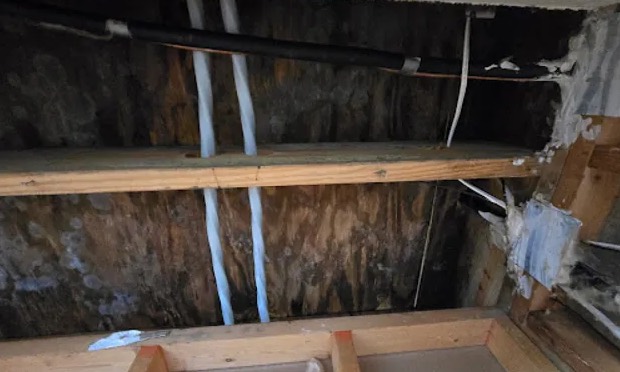
Emergency Attic Water Extraction for Lancaster Homes
After heavy storms in Lancaster, attics can take on water through lifted shingles, open vents or punctures from debris. Getting the water out quickly limits damage to the ceilings and walls below.
A storm in Lancaster can push water into an attic in one night. Local restoration pros serve Lancaster and nearby Fort Lawn, Heath Springs and Great Falls, with extraction available around the clock.
Detailed Attic Water Extraction Offerings in Lancaster
Emergency Attic Water Extraction
When rain or a burst attic pipe floods the attic floor, water is vacuumed off the decking and drywall tops before it soaks through to the rooms below.
Attic Drying Services
Attic ventilation affects drying time. Dehumidifiers pull moisture from the air while air movers push dry air over wet wood.
Attic Moisture Inspection
The inspection maps where the water went from the leak point, which decides what is extracted, removed or dried in place.
Attic Mold Prevention
Moisture sources such as a bath fan venting into the attic are noted, since they keep the attic damp after the leak is fixed.
Roof Leak Water Removal
Roof leaks often show up far from where they start. Moisture meters trace the water back along the decking to its entry point.
Symptoms Requiring Attic Water Extraction in Lancaster, SC
Puddles or Standing Water
Pooled water on the attic floor or on top of drywall needs extraction right away.
Peeling Paint or Wallpaper
Paint that bubbles or peels on upstairs ceilings often has water behind it.
Increased Indoor Humidity
Upstairs rooms that feel humid or clammy may have moisture coming down from the attic.
Sagging or Bulging Ceilings
A ceiling that bulges or droops is holding water and can fall. Keep people out of the room below.
How Attic Water Extraction Works in Lancaster
Step 1: Safety Assessment and Water Containment
Wet fixtures are shut off, the room below is protected and buckets catch active drips.
Step 2: Bulk Water Extraction
Wet vacs and pumps remove standing water from between joists and on top of the drywall.
Step 3: Targeted Drying of Affected Materials
Airflow is aimed at the wettest wood and drywall, and equipment is moved as areas dry.
Step 4: Documentation for Restoration
Photos, readings and a list of removed materials are prepared for insurance and repairs.
Frequent Sources of Attic Leaks in Lancaster
Roof Leaks From Storm Damage
Wind and hail can lift or break shingles, letting rain reach the decking and the attic floor.
HVAC System Condensate Overflow
AC air handlers in the attic overflow when the condensate line clogs or the pan cracks.
Aging or Deteriorated Roofing Materials
Old, curled or cracked shingles and worn underlayment let water through during heavy rain.
Plumbing Leaks in Attic
Supply lines and water heaters in the attic can leak or burst onto the ceiling below.
Attic Water Extraction Across Property Types in Lancaster
Residential Attic Water Extraction
Homeowners often keep boxes and seasonal items in the attic. Wet items are moved out first so the floor can be extracted and the insulation removed.
Commercial Attic Water Extraction
Offices and stores need the area below protected during attic work. Extraction and drying are planned around business hours where possible.
The Risks of DIY Attic Water Extraction in Lancaster
A fan in the bedroom below will not dry the attic. Wet wood and insulation need equipment in the attic itself and readings to confirm they are dry.
The Cost of Attic Water Extraction in Lancaster
Storm calls, tight attic access, insulation replacement and ceiling repair all add to the total for attic water extraction in Lancaster.
Mold Prevention Steps
Antimicrobial treatment of wood that stayed wet is an added step, priced by area.
Access and Complexity
Low headroom, tight access hatches and narrow joists make the work slower.
Required Drying Time
Dense framing and decking can take several days to dry, adding equipment time.
Does Insurance Cover Attic Water Extraction?
Coverage for attic water extraction depends on the cause of the leak and your policy. The pros record the damage and drying, and your insurer decides the rest.
Benefits of Local Pros for Attic Water Extraction in Lancaster, SC
Attic Drying
Framing, decking and the ceiling below are all dried, not just the spot under the leak.
Industry Extraction Standards
Extraction and drying follow industry water damage standards, with readings at every visit.
Dehumidification Plan
Dehumidifiers and air movers are placed for the attic's size and airflow, then adjusted daily.
24/7 Attic Water Extraction for Lancaster Emergencies
The longer insulation stays wet, the more ceiling has to be replaced. Call (803) 941-5983 for attic water extraction in Lancaster as soon as you see a drip.
Call Now (803) 941-5983Local Attic Water Extraction Areas Including Lancaster
Each place listed below has its own page with local details.
- Attic Water Extraction in Fort Lawn
- Attic Water Extraction in Heath Springs
- Attic Water Extraction in Great Falls
- Attic Water Extraction in Richburg
- Attic Water Extraction in Kershaw
- Attic Water Extraction in Chester
- Attic Water Extraction in Bethune
- Attic Water Extraction in Ridgeway
- Emergency Damage Restoration in 29720
- Storm Damage Restoration in 29720
- Water Damage Restoration in 29720
- Water Extraction Service in 29720
- Water Leak Detection in 29720
- Water Removal Service in 29720
- Emergency Damage Restoration in 29721
- Storm Damage Restoration in 29721
Attic Water Extraction FAQs for Lancaster Homeowners
What equipment is used for attic drying services?
Air movers, dehumidifiers, moisture meters and thermal cameras, plus wet vacs and HEPA vacuums for water and insulation removal.
Can wet attic insulation be saved?
Lightly damp areas sometimes dry, but soaked or matted insulation is usually removed and replaced after the attic is dry.
Does a roof leak always cause attic water damage?
Almost always some. Even a small leak wets the decking and insulation, which should be checked and dried.
Why is wet insulation removal often necessary?
Soaked insulation stays wet for a long time, adds weight to the ceiling and loses its insulating value.
What are signs of hidden attic water damage?
Ceiling stains, a musty smell upstairs, matted insulation, dark spots on decking and rusted nails.