Lockhart, SC · Union County
AC Unit Water Removal in Lockhart, SCAir Conditioner Restoration Services & Wet AC Unit Component Drying
AC Unit Water Removal in Lockhart runs from emergency AC water removal and AC leak water cleanup to air conditioner restoration services.
Answered 24/7
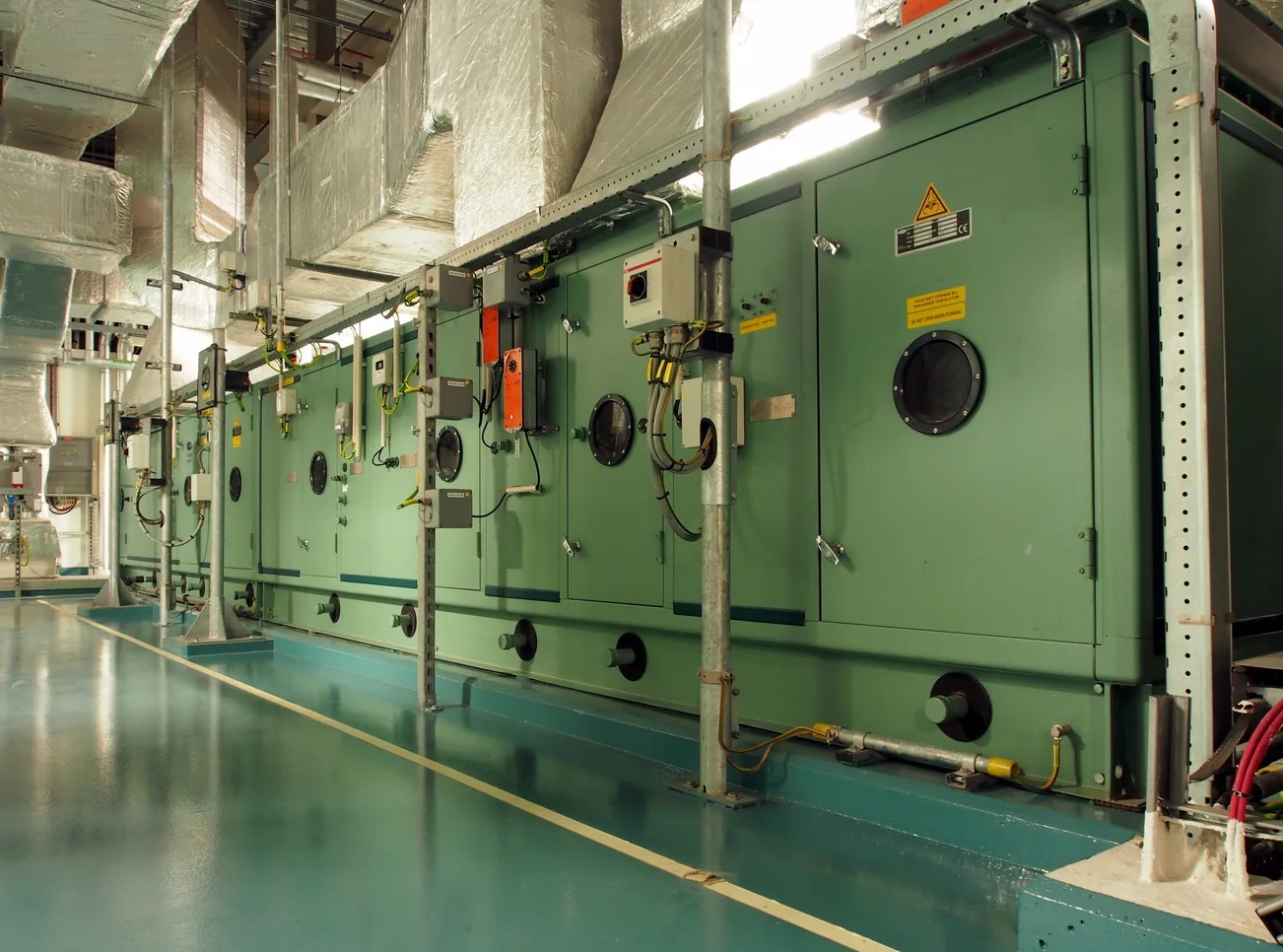
AC Unit Water Removal Near Lockhart: What to Expect
AC Unit Water Removal in Lockhart covers the whole leak, from removing standing water to drying wet materials and repairing drywall or trim afterward. Each step depends on how far the water traveled and how long it sat.
A leaking AC in Lockhart rarely fixes itself, and the water keeps soaking the same drywall and subfloor until the drain is cleared. Local water damage pros serve Lockhart and nearby Monarch Mill, Union and Jonesville, with help available around the clock for leaks of any size.
AC Unit Water Removal Services in Lockhart
Air Conditioner Restoration Services
After drying, damaged drywall, trim or ceiling panels near the unit can be replaced and repainted.
Wet AC Unit Component Drying
Wet blower motors, panels and wiring are dried with gentle airflow and dehumidifiers rather than direct heat, which lowers the risk of corrosion and shorts.
AC Leak Mold Prevention
Once materials are dry, an EPA-registered antimicrobial can be applied to wet wood and drywall near the unit to slow microbial growth.
Emergency AC Water Removal
Help is available day or night for leaks that start after hours, when water dripping from an attic unit cannot wait until morning.
AC Condensate Drain Clearing
Clearing the line stops the overflow at its source. Without it, the pan refills and the leak returns within days.
Signs of AC Water Damage Requiring Removal
Unusual AC System Noises
Gurgling or dripping sounds from the unit can mean water is backing up in the drain line.
Water on the Floor
A puddle around the air handler or furnace closet is the most direct sign of a leak.
Wet AC Unit Components
Damp coils, a wet blower compartment or moisture around wiring inside the cabinet mean water is collecting where it should not.
Musty Odors From Vents
A musty smell when the AC starts often means standing water in the pan or wet insulation in the ducts.
How AC Unit Water Removal Works in Lockhart
Step 1: AC Unit Flood Cleanup
Water is extracted quickly to keep it from soaking into insulation, framing and the ceiling below.
Step 2: Drain Line Diagnosis and Clearing
The drain line is inspected for clogs, sags or loose fittings and cleared so water drains outside.
Step 3: Structural and Unit Drying
Air movers and dehumidifiers run around the unit, with daily moisture checks on walls and floors.
Step 4: System Check and Cleanup
The pan is cleaned, the drain is tested with water and the area is left dry.
Why AC Units Leak and Need Water Removal
Damaged AC Drain Pan
Metal pans rust through and plastic pans crack with age, letting water drip straight through.
Excess Outdoor Humidity
Very humid air makes the coil produce more water than a partly clogged drain can carry.
Dirty Air Filters
A clogged filter cuts airflow, which can freeze the coil and cause overflow when it melts.
Improper AC Unit Installation
A unit that is not level, or a drain line without enough slope, lets water pool instead of draining.
AC Unit Water Removal Services for All Properties in Lockhart
Residential AC Unit Water Removal
Attic air handlers in houses leak into bedroom and hallway ceilings. The pan is emptied, the ceiling checked with a meter and wet drywall dried or cut out before it sags.
Commercial AC Unit Water Removal
Commercial systems have larger pans and longer drain runs. Clearing the line and drying ceiling tiles and carpet keeps the space open and safe for staff and customers.
AC Unit Water Removal vs. DIY: When to Call the Pros
A wet vac on the condensate line outlet clears many simple clogs. If the ceiling below an attic unit is stained or sagging, stay out from under it and call (803) 941-5983 instead of poking holes in it.
Understanding AC Unit Water Removal Pricing in Lockhart
Pricing for AC unit water removal in Lockhart is set after an inspection. The pros measure the wet area, check for hidden moisture and explain each item before starting.
Documentation Needs
Detailed photos and moisture logs for an insurance claim add some time to the job.
Emergency Service Timing
After-hours and holiday response can cost more than a scheduled weekday visit.
Leak Source and Severity
A slow drip near the closet costs less to fix than an attic overflow that soaked a ceiling and the room below.
Does Insurance Cover AC Unit Water Removal?
Take photos before cleanup starts and keep receipts for any emergency work, such as extraction done at night. Both help when you file a claim for AC water damage with your insurer.
The Value of Local Pros for AC Unit Water Removal in Lockhart
Drain Pan Extraction
Both the main pan and the safety pan are emptied and checked for damage.
Clear Process Communication
Each step is explained before work starts, so you know what is being removed and why.
Focus on Component Preservation
Wet blower motors and wiring are dried gently to lower the risk of corrosion and electrical faults.
Round-the-Clock Emergency AC Unit Water Removal in Lockhart
If water is near wiring or the breaker keeps tripping, turn off power to the unit and stay clear of the wet area. Then call (803) 941-5983 for help in Lockhart.
Call Now (803) 941-5983AC Unit Water Removal Available in Lockhart and Surrounding Towns
Besides Lockhart, local water damage pros handle AC leaks, wet ceilings and clogged condensate lines in nearby Monarch Mill, Union and Jonesville, day or night.
- AC Unit Water Removal in Monarch Mill
- AC Unit Water Removal in Union
- AC Unit Water Removal in Jonesville
- AC Unit Water Removal in Carlisle
- AC Unit Water Removal in Buffalo
- AC Unit Water Removal in Chester
- AC Unit Water Removal in Pacolet
- AC Unit Water Removal in Whitmire
- Emergency Damage Restoration in 29364
- Storm Damage Restoration in 29364
- Water Damage Restoration in 29364
- Water Extraction Service in 29364
- Water Leak Detection in 29364
- Water Removal Service in 29364
Your AC Unit Water Removal Questions Addressed
What clogs an AC condensate line?
Algae, sludge, dust and debris build up inside the line, especially over long cooling seasons, until water backs up into the pan.
What should I do while waiting for help with an AC leak?
Turn off the AC, place towels or a bucket under the drip, move belongings out of the way and take photos.
How does antimicrobial treatment help after an AC leak?
Once surfaces are dry, an antimicrobial can be applied to wood and drywall that stayed wet to slow microbial growth.
How quickly should I deal with an AC leak?
Right away. Water that sits for more than a day or two soaks into drywall and insulation and raises the risk of microbial growth.
What happens during AC water extraction?
Pumps and extractors remove water from the pan, floor and carpet, then moisture meters check walls and subfloor for hidden water.