Gadsden, SC · Richland County
AC Unit Water Removal in Gadsden, SCAC Drain Pan Water Extraction & AC Condensate Drain Clearing
AC Unit Water Removal in Gadsden runs from emergency AC water removal and AC leak water cleanup to air conditioner restoration services.
Answered 24/7
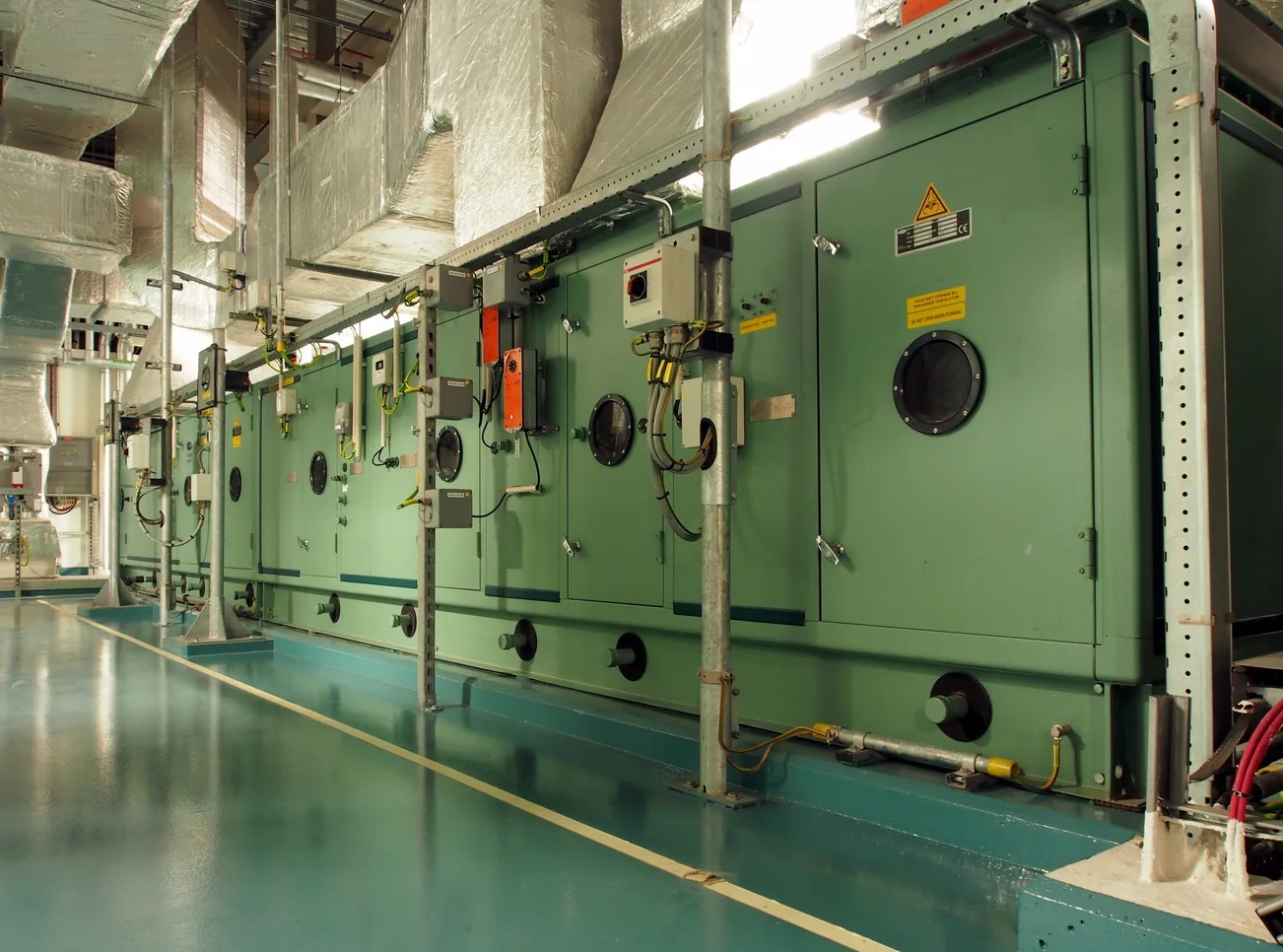
Trusted AC Unit Water Removal for Gadsden Residents
Most AC leaks start small: a drip in the furnace closet or a faint stain under an attic unit. In Gadsden, the drain pan can fill and overflow for days before anyone notices the damage.
A leaking AC in Gadsden rarely fixes itself, and the water keeps soaking the same drywall and subfloor until the drain is cleared. Local water extraction experts serve Gadsden and nearby Eastover, Hopkins and St. Matthews, with help available around the clock for leaks of any size.
The AC Unit Water Removal Process in Gadsden, SC
AC Drain Pan Water Extraction
Both the primary pan and the secondary safety pan are emptied, and the pan is inspected for rust holes or cracks.
AC Condensate Drain Clearing
The PVC drain line is cleared with suction or a flush, and the trap is checked so water stops backing up into the pan.
Air Conditioner Restoration Services
Work finishes with cleanup and a check that the unit drains properly, so the leak does not return.
Wet AC Unit Component Drying
Wet blower motors, panels and wiring are dried with gentle airflow and dehumidifiers rather than direct heat, which lowers the risk of corrosion and shorts.
AC Leak Water Extraction
Extraction is followed by drying with air movers and dehumidifiers, with daily readings to track progress.
When to Call for AC Unit Water Removal in Gadsden
AC Drain Pan Overflow
Water at the rim of the drain pan, or in the secondary pan, means the condensate line is blocked.
Reduced Cooling Efficiency
A clogged drain can trip a float switch or starve the coil of airflow, so the system runs longer and cools less.
Visible Mold Near AC
Dark spots on drywall or framing near the unit mean the area has stayed wet for days.
Wet AC Unit Components
Damp coils, a wet blower compartment or moisture around wiring inside the cabinet mean water is collecting where it should not.
How AC Unit Water Removal Works in Gadsden
Step 1: Emergency AC Water Removal
The unit is shut off and standing water is extracted from the drain pan, the floor and any carpet or pad it reached.
Step 2: AC Condensation Line Clearing
The drain line is flushed or vacuumed clear of algae and sludge, so condensate flows outside again.
Step 3: Wet AC Unit Component Drying
Air movers and a dehumidifier dry the cabinet interior and the walls, floor or ceiling around the unit.
Step 4: AC Leak Mold Prevention
Once readings show dry, wood and drywall that stayed wet can be treated with an antimicrobial.
Frequent Sources of AC Water Damage
Improper AC Unit Installation
A unit that is not level, or a drain line without enough slope, lets water pool instead of draining.
Failed Condensate Pump
Units that pump condensate uphill depend on a small pump. When it fails, the reservoir overflows.
Dirty Air Filters
A clogged filter cuts airflow, which can freeze the coil and cause overflow when it melts.
Frozen Evaporator Coils Thawing
A coil that freezes from low airflow sheds a large amount of water at once when it thaws.
Expert AC Unit Water Removal for Any Property in Gadsden
Residential AC Unit Water Removal
Attic air handlers in houses leak into bedroom and hallway ceilings. The pan is emptied, the ceiling checked with a meter and wet drywall dried or cut out before it sags.
Commercial AC Unit Water Removal
Commercial systems have larger pans and longer drain runs. Clearing the line and drying ceiling tiles and carpet keeps the space open and safe for staff and customers.
Why DIY AC Water Removal Often Fails in Gadsden
Pouring a cup of diluted vinegar into the drain line each season helps prevent algae clogs. Once water spreads past the unit into walls, ceilings or flooring, it is time to call local water extraction experts for extraction and drying.
Estimating Your AC Unit Water Removal Cost in Gadsden
The cost of AC unit water removal in Gadsden depends on how much water leaked, which materials got wet and how long drying takes. A clogged line caught early costs far less than a soaked ceiling.
Required Drying Time
Dense materials and enclosed spaces take longer to dry, which means more equipment days.
Emergency Service Timing
After-hours and holiday response can cost more than a scheduled weekday visit.
Preventative Treatment Scope
Antimicrobial treatment is an optional step, priced by the size of the area treated.
Does Insurance Cover AC Unit Water Removal?
Many homeowner policies cover sudden water damage from an AC leak but not repairs to the unit itself or slow leaks from poor upkeep. Read your policy and call your insurer early.
Benefits of Local Pros for AC Unit Water Removal in Gadsden
Clear Process Communication
Each step is explained before work starts, so you know what is being removed and why.
Focus on Component Preservation
Wet blower motors and wiring are dried gently to lower the risk of corrosion and electrical faults.
Industry Drying Standards
Drying follows industry water damage standards, with moisture readings at each visit.
Round-the-Clock Emergency AC Unit Water Removal in Gadsden
Water from an air handler spreads fast through drywall and carpet. Call (803) 941-5983 for emergency AC unit water removal in Gadsden at any time of the day or night.
Call Now (803) 941-5983AC Unit Water Removal Near Gadsden: Areas Served
Help with AC unit water removal is also available in communities near Gadsden, including Eastover, Hopkins and St. Matthews, for leaking air handlers and overflowing drain pans.
- AC Unit Water Removal in Eastover
- AC Unit Water Removal in Hopkins
- AC Unit Water Removal in St. Matthews
- AC Unit Water Removal in Arthurtown
- AC Unit Water Removal in Woodfield
- AC Unit Water Removal in Pinewood
- AC Unit Water Removal in Forest Acres
- AC Unit Water Removal in Olympia
- Emergency Damage Restoration in 29052
- Storm Damage Restoration in 29052
- Water Damage Restoration in 29052
- Water Extraction Service in 29052
- Water Leak Detection in 29052
- Water Removal Service in 29052
Your AC Unit Water Removal Questions Addressed
What happens during AC water extraction?
Pumps and extractors remove water from the pan, floor and carpet, then moisture meters check walls and subfloor for hidden water.
How long does drying take after an AC leak?
Often several days, depending on the materials and how long they were wet. Daily readings track progress.
Why does the drain pan need to be emptied?
A full pan overflows into ceilings and floors. Emptying and inspecting it stops the spill and shows whether the pan is cracked.
What clogs an AC condensate line?
Algae, sludge, dust and debris build up inside the line, especially over long cooling seasons, until water backs up into the pan.
Can a wet AC unit be saved after a leak?
Often yes. Components are dried gently and checked, but an HVAC contractor should inspect electrical parts before the unit runs again.