Cayce, SC · Lexington County
AC Unit Water Removal in Cayce, SCAC Drain Pan Water Extraction & AC Leak Mold Prevention
AC Unit Water Removal in Cayce runs from emergency AC water removal and AC leak water cleanup to air conditioner restoration services.
Answered 24/7
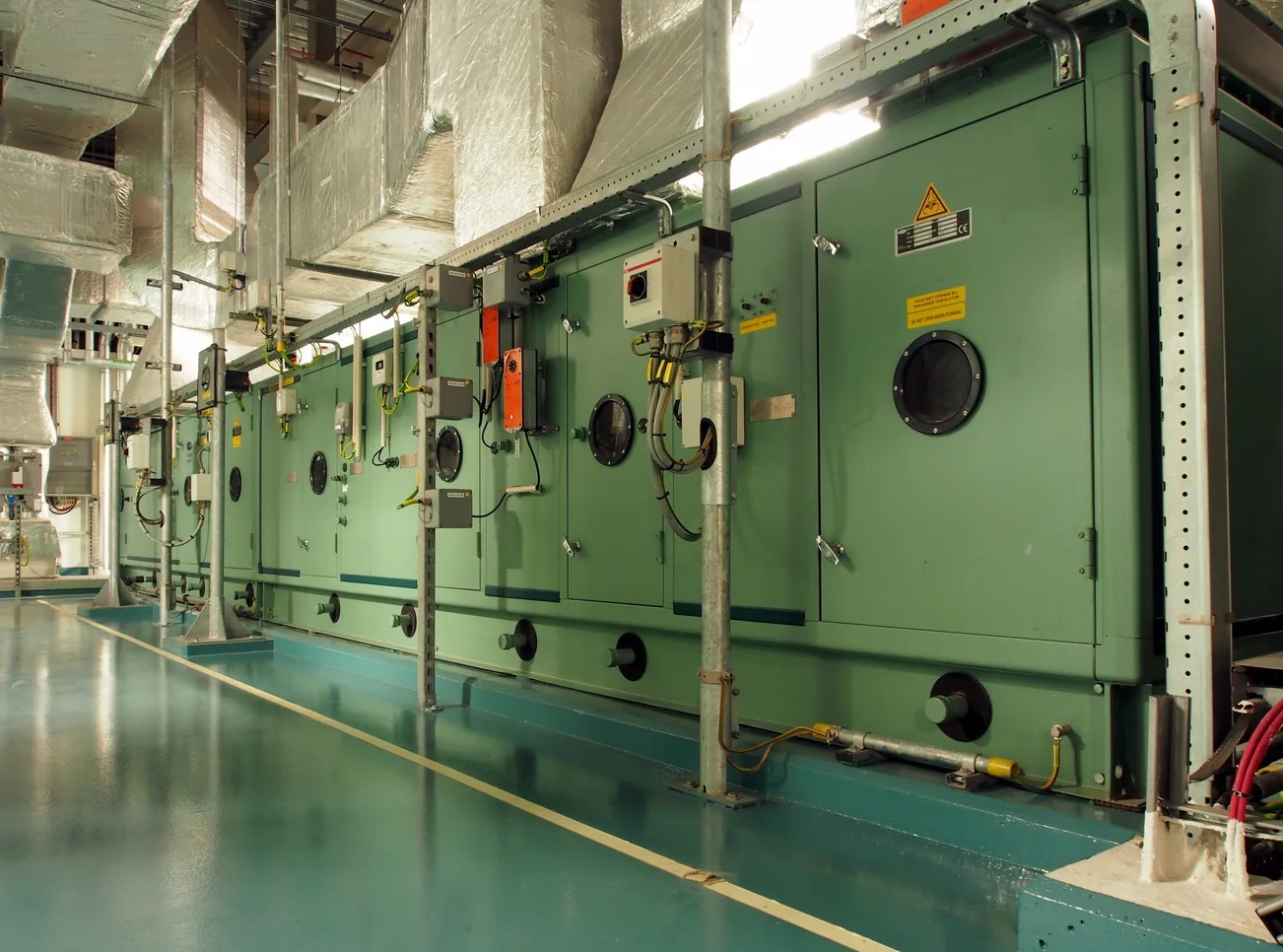
Expert AC Unit Water Removal for Cayce Homes
AC Unit Water Removal in Cayce deals with leaks from air handlers, condensate lines and drain pans. Acting early keeps a minor drip from soaking the insulation, the wall framing and the ceiling directly below the unit.
Property owners in Cayce can call (803) 941-5983 day or night when an air handler starts leaking. Service also covers West Columbia, Olympia and Oak Grove, with the same extraction, drain clearing and drying process for attic, closet and garage units in houses, condos and apartments.
The AC Unit Water Removal Process in Cayce, SC
AC Drain Pan Water Extraction
A soaked pan in an attic unit is a ceiling leak waiting to happen. Extracting it quickly protects the drywall underneath.
AC Leak Mold Prevention
Once materials are dry, an EPA-registered antimicrobial can be applied to wet wood and drywall near the unit to slow microbial growth.
AC Condensate Drain Clearing
The PVC drain line is cleared with suction or a flush, and the trap is checked so water stops backing up into the pan.
Emergency AC Water Removal
Fast extraction limits how far the water travels into framing and insulation, and lets drying equipment go in sooner.
AC Leak Water Extraction
Extractors and pumps pull water from carpet, pad and hard floors around the unit, then hidden moisture is mapped in the subfloor.
Warning Signs You Need AC Unit Water Removal
Condensation Line Dripping
A condensate line that drips inside instead of outside has a crack, loose fitting or clog.
AC Drain Pan Overflow
Water at the rim of the drain pan, or in the secondary pan, means the condensate line is blocked.
Visible Mold Near AC
Dark spots on drywall or framing near the unit mean the area has stayed wet for days.
Musty Odors From Vents
A musty smell when the AC starts often means standing water in the pan or wet insulation in the ducts.
How AC Unit Water Removal Works in Cayce
Step 1: AC Leak Water Cleanup
Pooled water is removed from around the air handler and from any rooms or ceilings the leak reached.
Step 2: AC Drain Pan Water Extraction
The primary and secondary pans are emptied and checked for cracks, rust holes or a stuck float switch.
Step 3: Component and Structure Drying
Wet panels, framing and subfloor are dried with targeted airflow and dehumidifiers until readings are normal.
Step 4: Documentation and Prevention
Photos and readings are recorded for insurance, and simple drain upkeep tips are shared to prevent a repeat.
Frequent Sources of AC Water Damage
High Static Pressure in Ducts
Restricted ducts can pull water off the coil and blow it into the cabinet or ductwork.
Frozen Evaporator Coils Thawing
A coil that freezes from low airflow sheds a large amount of water at once when it thaws.
Damaged AC Drain Pan
Metal pans rust through and plastic pans crack with age, letting water drip straight through.
Clogged AC Condensation Line
Algae and sludge build up in the drain line over a cooling season until water backs up into the pan.
Residential and Commercial AC Unit Water Removal in Cayce
Residential AC Unit Water Removal
In a home, an AC leak usually hits a hallway ceiling, a closet floor or the carpet near the air handler. Water removal and drying start there, followed by drywall repair if needed.
Commercial AC Unit Water Removal
In offices and stores, a leaking rooftop or ceiling unit drips onto desks, stock and floors and creates slip hazards. Work can be scheduled around business hours where possible.
AC Unit Water Removal vs. DIY: When to Call the Pros
DIY works for a small puddle on tile that you catch right away and wipe dry. Wet carpet and pad, or drywall that feels soft, usually need professional extraction and drying equipment to dry fully.
Understanding AC Unit Water Removal Pricing in Cayce
After-hours calls, the number of rooms affected, the drying time and any drywall or ceiling repairs all change the total for AC unit water removal in Cayce.
Required Drying Time
Dense materials and enclosed spaces take longer to dry, which means more equipment days.
Emergency Service Timing
After-hours and holiday response can cost more than a scheduled weekday visit.
Leak Source and Severity
A slow drip near the closet costs less to fix than an attic overflow that soaked a ceiling and the room below.
Does Insurance Cover AC Unit Water Removal?
Ask your adjuster whether clearing the condensate line is covered or treated as routine maintenance, since policies differ. The water damage to ceilings, walls and floors is often handled separately from the unit.
Reasons to Select Local Pros in Cayce for AC Unit Water Removal
Preventative Microbial Treatment
Optional antimicrobial treatment can be applied to wood and drywall that stayed wet for days.
Focus on Component Preservation
Wet blower motors and wiring are dried gently to lower the risk of corrosion and electrical faults.
Drain Pan Extraction
Both the main pan and the safety pan are emptied and checked for damage.
Emergency AC Unit Water Removal Available 24/7 in Cayce
If water is near wiring or the breaker keeps tripping, turn off power to the unit and stay clear of the wet area. Then call (803) 941-5983 for help in Cayce.
Call Now (803) 941-5983AC Unit Water Removal Near Cayce: Areas Served
AC leak cleanup, drain clearing and drying also cover homes and businesses in West Columbia, Olympia and Oak Grove, close to Cayce.
- AC Unit Water Removal in West Columbia
- AC Unit Water Removal in Olympia
- AC Unit Water Removal in Oak Grove
- AC Unit Water Removal in Arthurtown
- AC Unit Water Removal in St. Andrews
- AC Unit Water Removal in Forest Acres
- AC Unit Water Removal in Seven Oaks
- AC Unit Water Removal in Gaston
- Emergency Damage Restoration in 29033
- Storm Damage Restoration in 29033
- Water Damage Restoration in 29033
- Water Extraction Service in 29033
- Water Leak Detection in 29033
- Water Removal Service in 29033
Common AC Unit Water Removal Questions Answered
Why document AC water damage?
Photos and moisture readings show what got wet and how it was dried, which helps your insurance claim.
What is involved in AC unit water removal?
Standing water is extracted, the condensate line is cleared, and wet materials are dried with air movers and dehumidifiers until moisture readings are normal.
How quickly should I deal with an AC leak?
Right away. Water that sits for more than a day or two soaks into drywall and insulation and raises the risk of microbial growth.
Why does the drain pan need to be emptied?
A full pan overflows into ceilings and floors. Emptying and inspecting it stops the spill and shows whether the pan is cracked.
What happens during AC water extraction?
Pumps and extractors remove water from the pan, floor and carpet, then moisture meters check walls and subfloor for hidden water.