Bishopville, SC · Lee County
AC Unit Water Removal in Bishopville, SCAC Condensate Drain Clearing & Emergency AC Water Removal
AC Unit Water Removal in Bishopville covers AC leak water cleanup, AC condensate drain clearing and wet AC unit component drying.
Answered 24/7
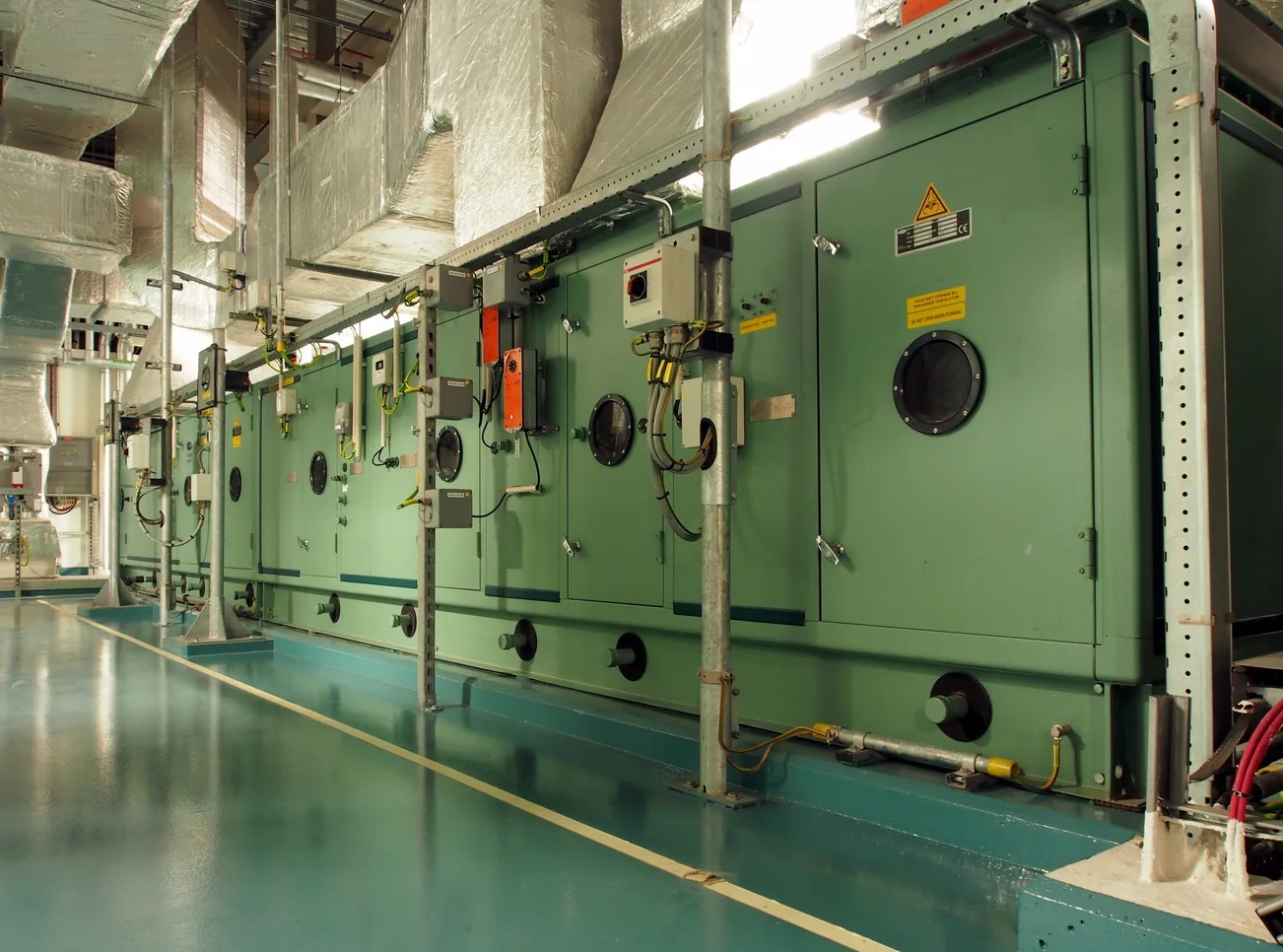
Local AC Unit Water Removal Services in Bishopville, South Carolina
AC Unit Water Removal in Bishopville deals with leaks from air handlers, condensate lines and drain pans. Acting early keeps a minor drip from soaking the insulation, the wall framing and the ceiling directly below the unit.
A leaking AC in Bishopville rarely fixes itself, and the water keeps soaking the same drywall and subfloor until the drain is cleared. Local water extraction experts serve Bishopville and nearby Bethune, Lynchburg and Mayesville, with help available around the clock for leaks of any size.
Detailed AC Unit Water Removal Offerings for Bishopville
AC Condensate Drain Clearing
The PVC drain line is cleared with suction or a flush, and the trap is checked so water stops backing up into the pan.
Emergency AC Water Removal
Fast extraction limits how far the water travels into framing and insulation, and lets drying equipment go in sooner.
AC Leak Water Extraction
Water is removed from every wet surface the leak reached, including closets and rooms below an attic air handler.
AC Leak Mold Prevention
Once materials are dry, an EPA-registered antimicrobial can be applied to wet wood and drywall near the unit to slow microbial growth.
Air Conditioner Restoration Services
Restoration covers the repairs left after a leak: cut-out drywall, stained ceilings, swollen baseboards and soaked insulation.
When to Call for AC Unit Water Removal in Bishopville
AC Drain Pan Overflow
Water at the rim of the drain pan, or in the secondary pan, means the condensate line is blocked.
AC System Shuts Off
Many units have a float switch that shuts the system off when the pan fills. If the AC stops cooling, check the pan.
Wet AC Unit Components
Damp coils, a wet blower compartment or moisture around wiring inside the cabinet mean water is collecting where it should not.
Unusual AC System Noises
Gurgling or dripping sounds from the unit can mean water is backing up in the drain line.
How AC Unit Water Removal Works in Bishopville
Step 1: AC Unit Flood Cleanup
Water is extracted quickly to keep it from soaking into insulation, framing and the ceiling below.
Step 2: Drain Line Diagnosis and Clearing
The drain line is inspected for clogs, sags or loose fittings and cleared so water drains outside.
Step 3: Structural and Unit Drying
Air movers and dehumidifiers run around the unit, with daily moisture checks on walls and floors.
Step 4: System Check and Cleanup
The pan is cleaned, the drain is tested with water and the area is left dry.
Why AC Units Leak and Need Water Removal
Disconnected Drain Line
A drain line knocked loose in the attic or closet empties condensate onto the ceiling or floor.
Excess Outdoor Humidity
Very humid air makes the coil produce more water than a partly clogged drain can carry.
High Static Pressure in Ducts
Restricted ducts can pull water off the coil and blow it into the cabinet or ductwork.
Frozen Evaporator Coils Thawing
A coil that freezes from low airflow sheds a large amount of water at once when it thaws.
AC Unit Water Removal for Homes and Businesses in Bishopville
Residential AC Unit Water Removal
For homeowners, the main risk is water soaking into insulation and drywall where no one sees it. Moisture meters find that hidden water so it can be dried before it causes rot.
Commercial AC Unit Water Removal
For property managers, one leaking unit can affect several suites or the floor below. Each wet area is extracted, dried and documented for the owner and insurer.
AC Unit Water Removal vs. DIY: When to Call the Pros
Box fans move air across a wet surface, but they often leave water trapped in wall cavities and under flooring. Professional drying uses moisture readings to confirm the hidden areas behind walls and under floors are dry too.
AC Unit Water Removal Cost in Bishopville, SC
Drying equipment is usually billed by the day, so how long materials stay wet matters. Starting quickly in Bishopville shortens drying time and lowers the total.
Emergency Service Timing
After-hours and holiday response can cost more than a scheduled weekday visit.
Affected Component Count
The more of the system that got wet, such as the blower, panels and insulation, the more drying time is needed.
Leak Source and Severity
A slow drip near the closet costs less to fix than an attic overflow that soaked a ceiling and the room below.
Does Insurance Cover AC Unit Water Removal?
Photos, moisture readings and a written scope from local water extraction experts help support an insurance claim for AC water damage in Bishopville. Keep copies of everything you send your adjuster, along with your own photos.
Reasons to Select Local Pros in Bishopville for AC Unit Water Removal
Drain Pan Extraction
Both the main pan and the safety pan are emptied and checked for damage.
Detailed Moisture Documentation
Photos and moisture readings are recorded at each visit to support your insurance claim.
Preventative Microbial Treatment
Optional antimicrobial treatment can be applied to wood and drywall that stayed wet for days.
24/7 Emergency AC Unit Water Removal Response in Bishopville
If water is near wiring or the breaker keeps tripping, turn off power to the unit and stay clear of the wet area. Then call (803) 941-5983 for help in Bishopville.
Call Now (803) 941-5983AC Unit Water Removal Service Area Including Bishopville
Other places served are listed below, each with its own page.
- AC Unit Water Removal in Bethune
- AC Unit Water Removal in Lynchburg
- AC Unit Water Removal in Mayesville
- AC Unit Water Removal in McBee
- AC Unit Water Removal in Camden
- AC Unit Water Removal in Sumter
- AC Unit Water Removal in Lugoff
- AC Unit Water Removal in Turbeville
- Emergency Damage Restoration in 29010
- Storm Damage Restoration in 29010
- Water Damage Restoration in 29010
- Water Extraction Service in 29010
- Water Leak Detection in 29010
- Water Removal Service in 29010
AC Unit Water Removal FAQs
Why does the drain pan need to be emptied?
A full pan overflows into ceilings and floors. Emptying and inspecting it stops the spill and shows whether the pan is cracked.
What equipment is used to dry AC leak damage?
Extractors, air movers, dehumidifiers and moisture meters, plus wet vacs or pumps for the drain line.
How long does drying take after an AC leak?
Often several days, depending on the materials and how long they were wet. Daily readings track progress.
How quickly should I deal with an AC leak?
Right away. Water that sits for more than a day or two soaks into drywall and insulation and raises the risk of microbial growth.
Can a wet AC unit be saved after a leak?
Often yes. Components are dried gently and checked, but an HVAC contractor should inspect electrical parts before the unit runs again.